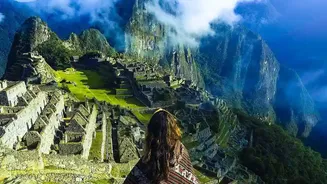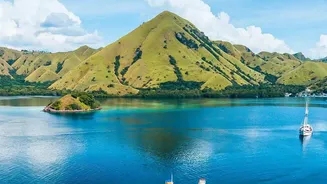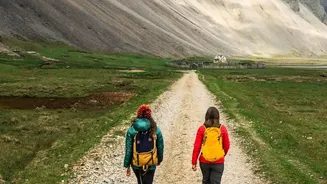


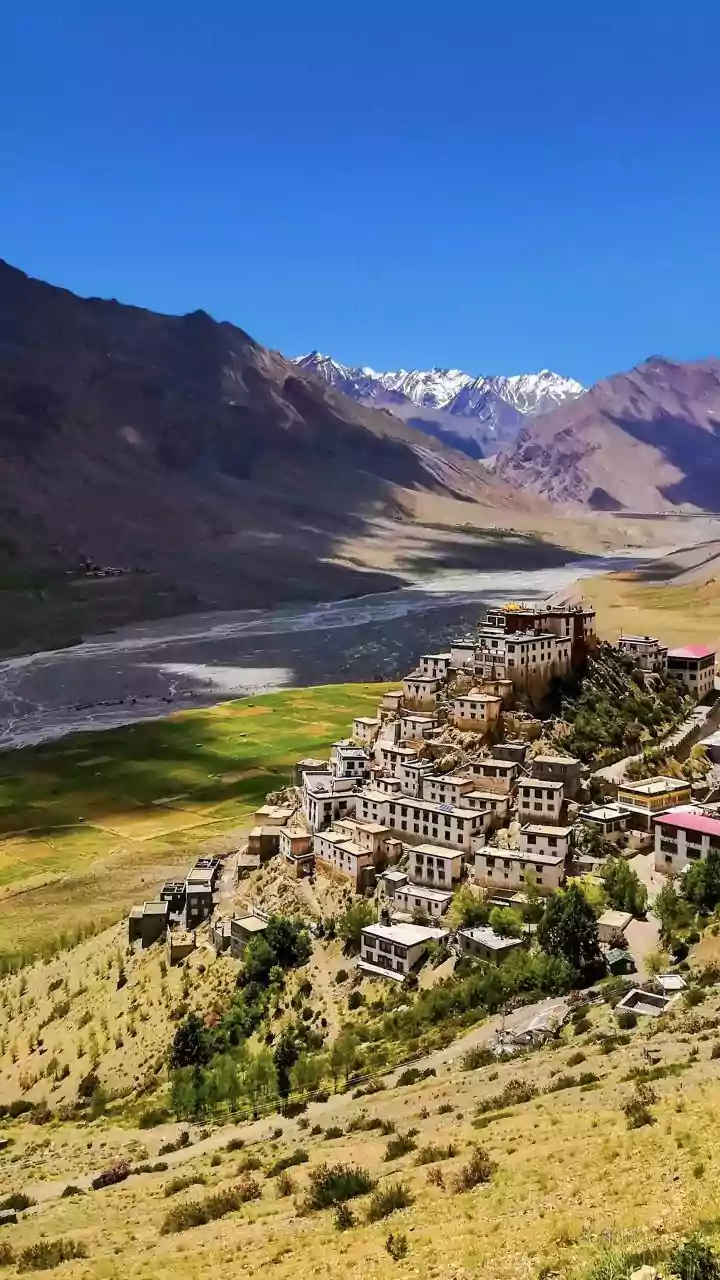


The Problem with Popularity
There's a growing backlash against what is known as 'overtourism'. When popular destinations like Venice or Barcelona become overwhelmed, the magic quickly fades. Locals can feel isolated and frustrated as prices for daily goods rise and authentic culture
gets diluted by a sea of souvenir shops. The very things that made a place special are at risk of being eroded by the sheer volume of visitors. This phenomenon leaves many travellers feeling more stressed than enriched, queuing for hours just to get a photo filled with strangers. This has pushed a significant number of people to actively seek out quieter, less-trafficked destinations for their holidays.
In Search of Authentic Experiences
The shift away from tourist-heavy circuits is driven by a desire for something more genuine. Modern travelers are increasingly seeking unique stories and meaningful connections, not just a series of photo opportunities for social media. They want to immerse themselves in local life, from trying food at a family-run eatery to learning about traditions directly from the community. This search for authenticity is about quality over quantity; the feeling that a quiet week in a lesser-known village can be more restorative and memorable than a rushed tour of three capital cities. It's about finding places that don't have a geotag or thousands of reviews, offering a genuine sense of discovery.
Embracing the 'Second City'
One of the easiest ways to get off the beaten path is to embrace the 'second-city' travel trend. This means visiting a region's second, third, or even fourth-most-known destination instead of the main hub. For example, instead of Rome, consider Bologna; instead of Tokyo, explore Fukuoka. These places often offer similar cultural and historical richness but with fewer crowds and a more relaxed atmosphere. You're more likely to experience a destination's genuine character in a place that hasn't been completely reshaped by mass tourism. This approach also has economic benefits, spreading tourism revenue to communities that need it while easing the burden on major hotspots.
How to Find Your Own Hidden Gem
Finding your perfect off-circuit destination is easier than you think. Start by looking at a map and exploring areas just outside of famous national parks or cities. Use online tools like Google Maps and search for terms like 'attractions' or 'trailhead' in a lesser-known region to see what pops up. Delve into local blogs, niche travel forums, and even physical guidebooks, which often contain details that mass-market websites overlook. Don't be afraid to travel during the 'shoulder season'—the months just before and after the peak period—for fewer crowds and often better prices. Perhaps most importantly, talk to people. Befriend locals or connect with expats in online groups to get recommendations you won't find anywhere else.
Responsible Discovery
With the freedom of exploring less-trodden paths comes a responsibility. When you discover a pristine beach or a quiet village, the goal is to leave it as you found it. This means adhering to 'leave no trace' principles, supporting small local businesses instead of international chains, and respecting cultural norms. A crucial part of this is being mindful of your social media presence. Refraining from sharing precise GPS coordinates of fragile natural areas can prevent them from becoming the next victims of overtourism. Responsible travel ensures these hidden destinations remain authentic and protected for future generations to discover.