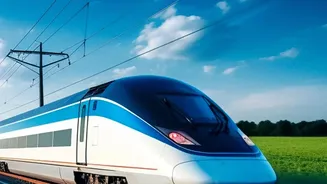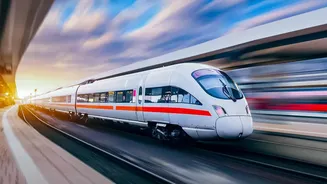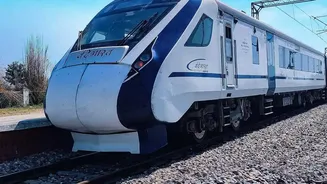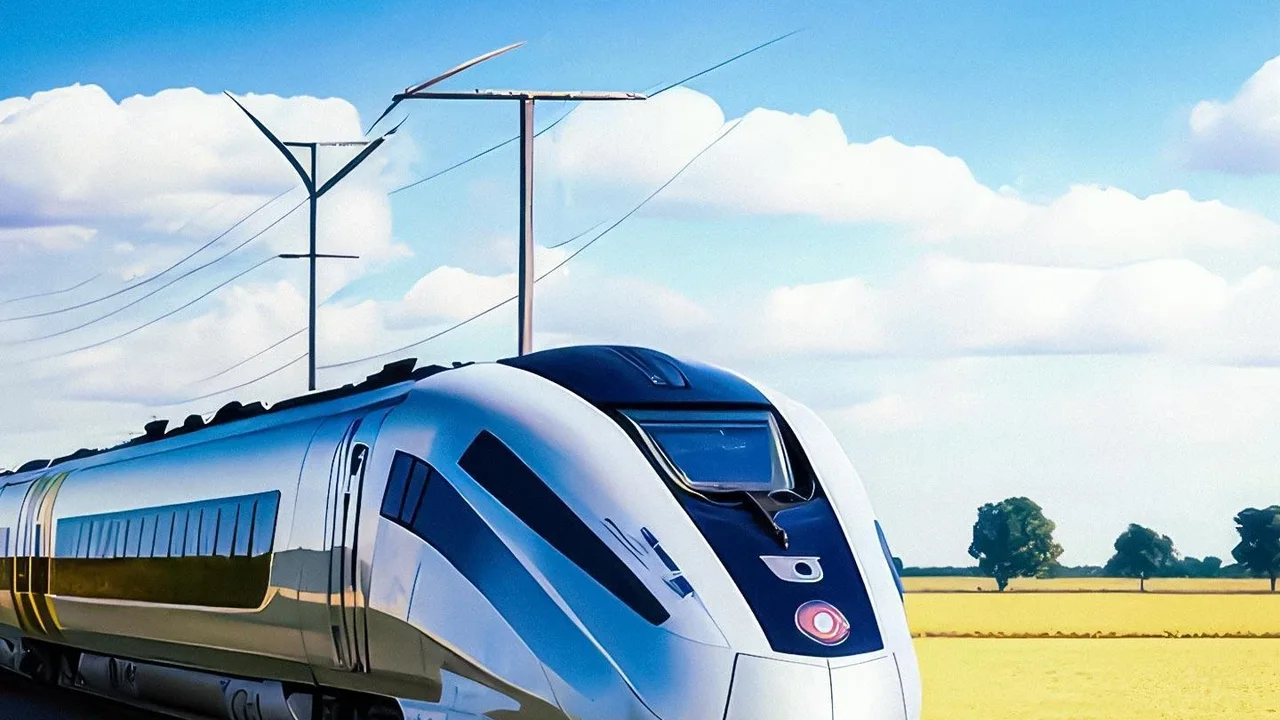




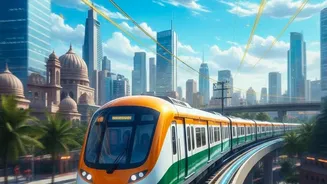
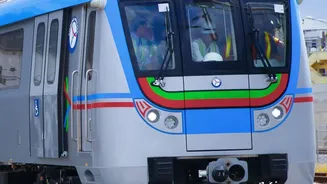
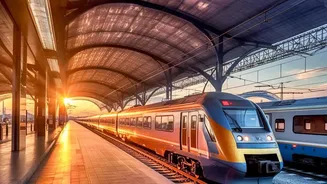
A high-speed rail link promising to slash travel time between Delhi and North Haryana is generating significant buzz. The Delhi-Panipat Namo Bharat corridor aims to redefine connectivity, sparking fresh interest in the region's property market.
The Blueprint for a Faster Future
The Delhi-Panipat-Karnal
Namo Bharat corridor is a proposed 136.3-kilometre semi-high-speed rail line designed to connect the national capital with key industrial and residential hubs in Haryana. Developed by the National Capital Region Transport Corporation (NCRTC), the project aims to run trains at an operating speed of 160 kmph, drastically cutting travel times. The journey from Delhi to Panipat, which currently takes over two hours by road, could be reduced to about an hour. The full stretch to Karnal is projected to take just 90 minutes. With recent approvals from the Haryana government and the National Highways Authority of India (NHAI), the project, estimated to cost over ₹33,000 crore, is moving closer to reality, with a completion target set for 2030.
Connecting the Dots in the NCR
This corridor is a critical piece of the larger NCR infrastructure puzzle. It will feature 22 stations, starting from Sarai Kale Khan in Delhi and running parallel to National Highway 44. Sarai Kale Khan is being developed as a major transport hub, providing interoperability with the Delhi-Meerut and Delhi-Alwar Namo Bharat lines, along with connectivity to the Delhi Metro, ISBTs, and Hazrat Nizamuddin railway station. In Haryana, stations are planned for key locations like Kundli, Murthal, Gannaur, Samalkha, and Panipat, which are home to major educational institutions and industrial areas. This integration promises to create a seamless multimodal transport system, making daily commutes for thousands of people faster and more reliable.
The Real Estate Ripple Effect
Major infrastructure projects like the Namo Bharat corridor almost always trigger a wave of interest in real estate, and this is no exception. Developers and real estate experts anticipate that improved connectivity will make cities like Sonipat, Panipat, and Karnal far more attractive for homebuyers and investors. These areas offer more affordable property options compared to the saturated markets of Delhi and Gurugram. The logic is simple: if you can commute to a major economic centre in under an hour, living further out becomes a viable and attractive option. This could fuel demand for residential, commercial, and mixed-use developments, particularly around the proposed stations. The Haryana government has also amended its transit-oriented development (TOD) policy to allow for higher floor area ratios near RRTS stations, further incentivising planned urban growth.
A Reality Check for Investors
Despite the optimism, the 'uncertain' part of the headline is crucial. While interest is renewed, a significant and widespread surge in property values has not yet materialised. Several factors contribute to this caution. Firstly, the project's final approval from the Union Cabinet is still awaited, and the 2030 completion date is several years away. Long project timelines can make investors hesitant to lock in capital for uncertain future gains. Secondly, much of the initial price speculation may have already been factored in when the project was first announced. Real estate analysts note that while plots close to proposed stations and with good access roads may see appreciation, those further away might not experience the same boom. The overall health of the real estate market, interest rates, and employment growth in the region will also play a significant role.
What Determines the Market's Trajectory?
The ultimate impact on property values will depend on more than just the train line itself. The development of 'last-mile connectivity'—how easily people can get from the station to their homes and offices—is critical. This includes feeder buses, e-rickshaws, and good local road networks. Furthermore, the quality of social infrastructure, such as schools, hospitals, and retail centres, will be a key driver for families considering a move. While the industrial base in cities like Panipat provides a foundation for rental demand, sustained growth will require a broader economic expansion that attracts a skilled workforce. The success of the fully operational Delhi-Ghaziabad-Meerut corridor, which has seen high ridership, serves as a positive precedent, but each corridor has its own unique market dynamics.