








A Game-Changer in a High Orbit
What makes EOS-05 truly special is its destination: a geosynchronous orbit approximately 36,000 kilometres above Earth. Unlike most Earth observation satellites that circle the globe in Low Earth Orbit (LEO) and get only brief glimpses of any specific
area, EOS-05 will match the Earth's rotation. This allows it to hover over the Indian subcontinent, providing near-continuous surveillance of a vast geographical region. For the first time, Indian agencies will have an 'eye in the sky' that doesn't blink, offering a persistent watch over the country and its areas of interest. This mission plugs a long-standing gap in India's surveillance capabilities, finally providing the persistent watch that LEO satellites with their fleeting passes could not.
Seeing Through Clouds and Darkness
Previous Indian observation satellites often relied on optical sensors, which are effectively blinded by cloud cover, haze, or the dark of night. This is a significant limitation for a country that experiences a four-month monsoon season. EOS-05 overcomes this challenge by using advanced Synthetic Aperture Radar (SAR). SAR is an active sensor that sends its own microwave signals towards the ground and analyses the echoes that bounce back. This technology allows it to 'see' through clouds, rain, and fog, providing clear imagery 24/7, regardless of weather conditions. This all-weather capability is crucial for both civilian and strategic applications, from tracking monsoon floods to monitoring sensitive border regions.
A Boost for National Security
The strategic implications of EOS-05 are immense. Persistent, all-weather surveillance significantly enhances India's Intelligence, Surveillance, and Reconnaissance (ISR) grid. The satellite will enable security forces to monitor troop movements and infrastructure development along the nation's extensive and challenging borders. Furthermore, it will bolster maritime domain awareness in the Indian Ocean Region, a critical area for India's strategic interests. By providing this capability indigenously, EOS-05 reduces India's reliance on foreign nations for critical intelligence data, marking a major step toward strategic autonomy. This launch is part of a broader push to create a robust space-based surveillance network, with plans for dozens more satellites to follow.
From Farms to Floodplains
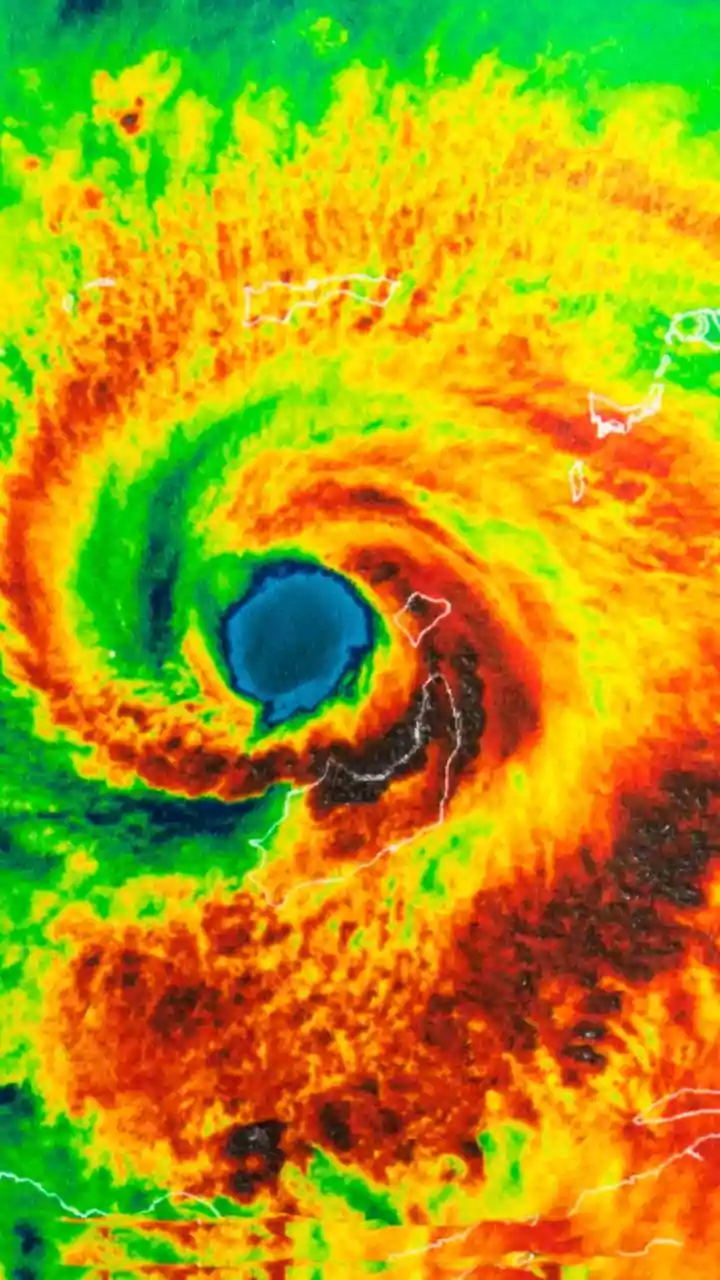
Beyond its strategic importance, EOS-05 is a powerful tool for national development and disaster management. Its continuous watch will be invaluable for tracking the formation and movement of cyclones, monitoring the extent of floods in real-time, and detecting forest fires as they start. This data is critical for issuing timely warnings and mounting effective relief and rescue operations. In agriculture, the satellite's observations will help in monitoring crop health, estimating yields, and assessing drought conditions across the country. The data will also support urban planning, mineral prospecting, forestry management, and environmental monitoring, touching nearly every aspect of governance.
Success Born from Setback
The successful launch of EOS-05 is also a story of resilience for ISRO. It comes after a difficult period that saw some launch anomalies. More specifically, this mission is the successor to the EOS-03 satellite, which was lost in a launch failure in August 2021 when its GSLV rocket malfunctioned. That failure was a significant setback, but ISRO’s ability to meticulously analyse the problem, rectify it, and deliver the even more advanced EOS-05 into orbit demonstrates the space agency’s deep technical expertise and perseverance. The success of the GSLV-F17 rocket, which carried its heaviest payload yet, re-establishes the reliability of this powerful launch vehicle.