

The head of the UN’s nuclear watchdog, Rafael Grossi, has outlined a bold future for atomic energy, projecting a massive increase in global capacity. This revived enthusiasm stems from the urgent need for reliable, low-carbon power.
A New Atomic Age?
Rafael Mariano Grossi,
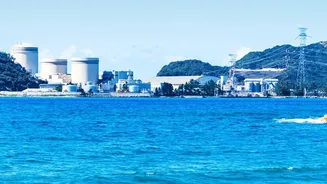
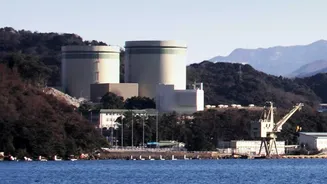
the Director-General of the International Atomic Energy Agency (IAEA), has become a vocal proponent for a significant expansion of nuclear power. In recent statements, he has projected that global nuclear capacity could more than double by 2050 and potentially triple by 2060. For years, the IAEA's forecasts were conservative, especially after the 2011 Fukushima accident in Japan. However, for the fifth consecutive year, the agency has revised its projections upward, signaling a major shift in global sentiment. Grossi argues that this renewed interest is driven by the dual pressures of climate change and the need for energy security. He points to the growing demand for electricity, the rise of data centers powering artificial intelligence, and the general 'appetite for reliable, carbon-free power' as key factors.
The High-Case Scenario
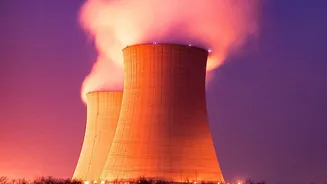
The IAEA's latest report outlines two potential futures. A low-case scenario sees modest growth, but the high-case projection is far more ambitious. It estimates that global nuclear capacity could grow from around 377 gigawatts (GW) today to nearly 1,000 GW by 2050. This would represent an increase of about 2.6 times the current level. Achieving this goal would require not only extending the lives of existing reactors but also constructing hundreds of new ones. A significant part of this expansion is expected to come from new technologies, particularly Small Modular Reactors (SMRs), which are smaller, factory-built units that promise greater flexibility and potentially lower costs. Grossi has stated that SMRs could account for nearly a quarter of all new capacity in this high-growth scenario.
Overcoming Significant Hurdles
Despite the optimism, the path to a nuclear renaissance is filled with challenges that Grossi and the industry acknowledge. The primary obstacles remain cost, construction time, and public perception. Nuclear power plants are incredibly expensive, with projects often costing billions of dollars and taking a decade or more to complete, frequently suffering from delays and budget overruns. Another persistent issue is the management of radioactive waste. While the industry maintains that waste can be managed safely, the lack of permanent long-term disposal solutions in most countries remains a major point of public and political concern. Finally, safety is always paramount. While Grossi notes that nuclear is safer than other energy options, the memory of accidents like Chernobyl and Fukushima continues to fuel public opposition and stringent regulatory oversight.
Implications for India's Energy Future
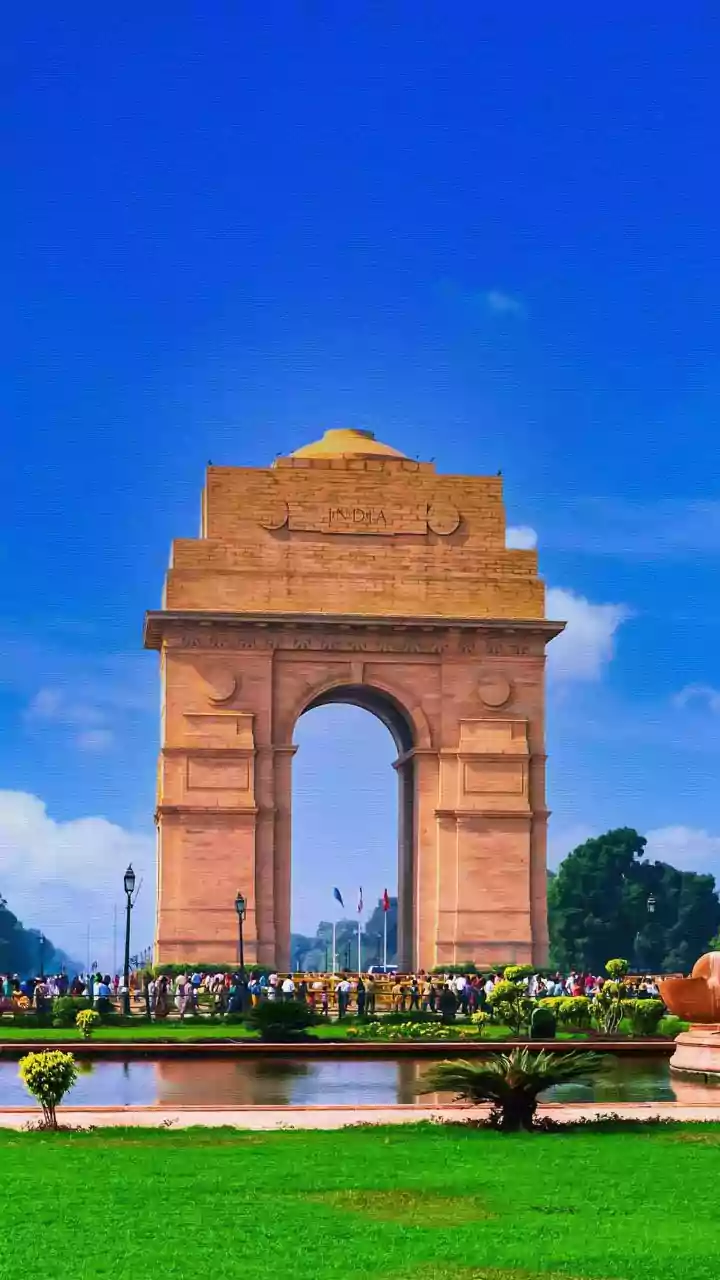
The global push for nuclear energy, championed by the IAEA, aligns closely with India's own strategic goals. India is pursuing an ambitious target to increase its nuclear capacity to 100 GW by 2047, a key pillar of its 'Viksit Bharat' (Developed India) strategy and its commitment to achieve net-zero emissions by 2070. Currently, nuclear power accounts for less than 3% of India's electricity generation, so reaching this target will require a monumental effort. The government is pushing forward with a two-pronged strategy: building large conventional reactors and investing heavily in domestic SMR technology. India's unique threendstage nuclear program, designed to eventually use the country's vast thorium reserves, is a longndterm plan for energy independence. The recent criticality of the Prototype Fast Breeder Reactor at Kalpakkam is a major step in this direction, moving India into the second stage of that visionary program.