






A Legacy Cast in Iron and Stone
The 19th century was the age of the railway in India. Beginning with the first passenger journey between Bori Bunder and Thane in 1853, the British colonial administration laid down a vast network of tracks that would forever change the subcontinent.
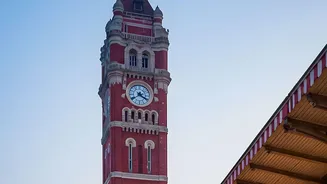
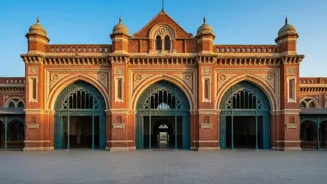
This mammoth undertaking wasn't just about transport; it was a statement of imperial power, engineering prowess, and architectural ambition. The stations built during this era were often grand, theatrical structures designed to be the gateways to major cities like Bombay, Calcutta, and Madras. The fact that nearly 70% of today's heritage-listed stations hail from this period underscores its foundational importance. These buildings were not mere functional sheds but were designed with a sense of grandeur, blending European architectural styles with local motifs to create a unique aesthetic that still captivates onlookers today.
What Gives a Station 'Heritage' Status?
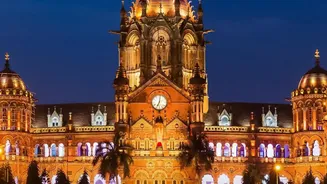
Indian Railways designates certain stations, bridges, and other structures as 'heritage assets' to protect their historical and architectural value. While some are famous landmarks, the list includes a wide spectrum of tangible history, from grand terminals to smaller, picturesque stations in rural areas. The criteria often involve architectural significance, historical events associated with the location, and its role in the social and economic development of the region. This preservation effort is crucial as many of these structures are still active, serving millions of passengers daily. The challenge lies in modernising these stations with passenger-friendly amenities without compromising their historical integrity, a balancing act that requires careful planning and collaboration with heritage conservation experts. Several of these sites, like the Chhatrapati Shivaji Maharaj Terminus (CSMT) in Mumbai, are also recognised by UNESCO as World Heritage Sites.
Crown Jewels of the 19th-Century Network
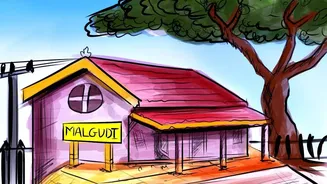
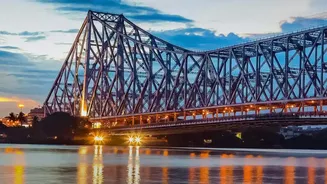
Among the 72 stations from the 19th century, several stand out as iconic examples. Howrah Station in West Bengal, established in 1854, was one of the earliest major railway hubs in the country. In Mumbai, the Chhatrapati Shivaji Maharaj Terminus (formerly Victoria Terminus), completed in 1888, is a masterpiece of Victorian Gothic architecture blended with traditional Indian design, and it remains one of the busiest stations in India. Down south, the Royapuram station in Chennai (1856) was one of the first in South India. These stations were more than just transport hubs; they were centres of commerce and migration, and witnesses to India's journey towards independence. Many mountain railways, including the famous Darjeeling Himalayan Railway (started in 1879), also fall into this category, representing incredible feats of engineering to conquer challenging terrains.
Preserving the Past for a Modern Future
The focus on these 103 heritage stations, with a special nod to their 19th-century origins, is part of a broader effort by Indian Railways to celebrate its rich history. The Railway Board has initiated events like 'Station Mahotsav' to honour the founding anniversaries of these historic locations, aiming to connect local communities with their unique railway heritage. Furthermore, a number of heritage stations are being renovated under the Amrit Bharat Station Scheme, which seeks to upgrade facilities while preserving the historic character of the buildings. This involves intricate restoration work, like at Ballari station, where the original stone facade is being carefully restored. These initiatives ensure that these architectural treasures are not just relics of the past but continue to function as vital, vibrant public spaces for generations to come, linking India's future to its storied past.