




The Invisible Ripening Agent
The magic behind the popular fruit-ripening hack is a simple, invisible, and odourless plant hormone called ethylene gas. Many fruits naturally produce ethylene as they mature. This gas acts as a signal, triggering and coordinating the changes we associate
with ripening: starches converting to sugars, colours changing, and the fruit softening and developing its characteristic aroma. Think of it as a chemical conversation between fruit cells, telling them it's time to become delicious. When you place fruit in a bag, you're essentially creating a little ripening chamber, trapping this gas and concentrating its effects.
Climacteric vs. Non-Climacteric Fruits
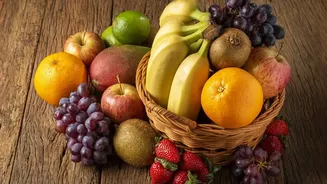
To master the ripening trick, you need to know that not all fruits are created equal. They fall into two main categories: climacteric and non-climacteric. Climacteric fruits are the ones that continue to ripen after being picked. These are your ethylene superstars, producing a burst of the gas as they mature. Examples include apples, bananas, pears, peaches, plums, avocados, and tomatoes. Non-climacteric fruits, on the other hand, do not ripen further once harvested. Think of citrus fruits, grapes, strawberries, and pineapples. They need to be picked when ripe. This distinction is key: you can speed up the ripening of a climacteric fruit, but you can't make a non-climacteric fruit any riper than it was when picked.
How to Perform the Trick
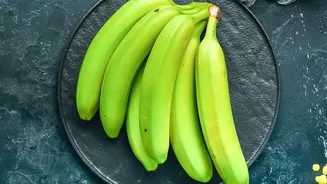
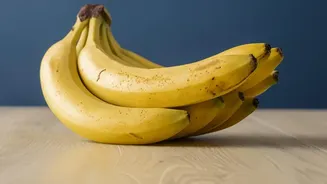
The classic method involves a paper bag for a reason. Plastic bags trap moisture, which can lead to mould, while a paper bag allows the fruit to breathe while still concentrating the ethylene gas. To speed up the ripening of a hard avocado, pear, or green bananas, simply place them in a loosely folded paper bag. To supercharge the process, add a high-ethylene producer to the bag, such as a ripe apple or banana. Apples are known to be one of the most prolific producers of ethylene gas. By adding one to the bag, you are flooding the environment with the ripening hormone, which the other fruit will absorb, accelerating its own journey to peak flavour and texture.
Master Your Fruit Bowl
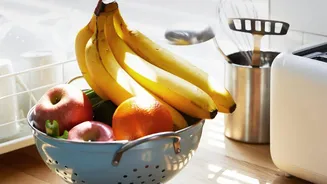
Understanding ethylene allows you to not only speed up ripening but also to slow it down. To keep your produce fresh for longer, the opposite logic applies: separate the ethylene producers from the ethylene-sensitive items. Don't store your apples next to your bananas unless you want the bananas to ripen very quickly. Keep ethylene-sensitive produce like leafy greens, carrots, broccoli, and cucumbers away from high-producing fruits like apples, ripe avocados, and tomatoes to prevent premature yellowing, bitterness, or spoilage. Storing high-ethylene producers in a crisper drawer with the vent open can help the gas escape, while storing them at cooler temperatures in the fridge (once ripe) also slows down ethylene production and the ripening process.