


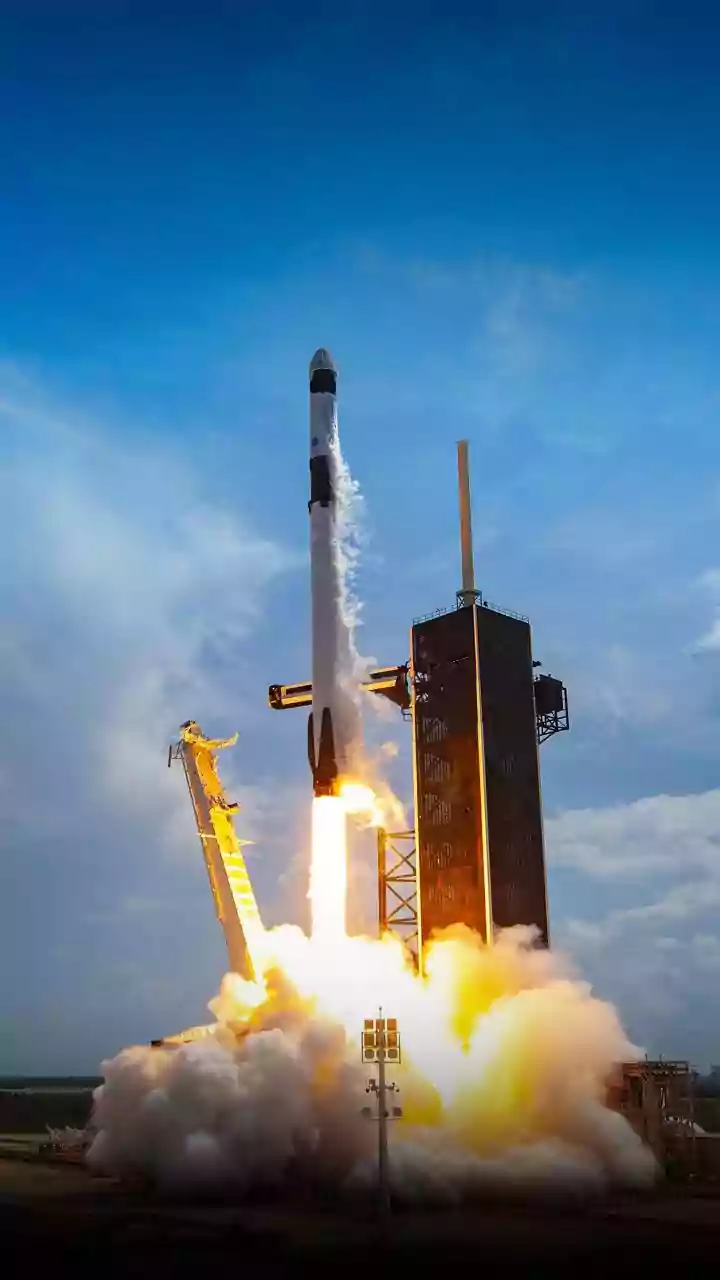





Viral footage shows Indian astronauts floating inside an aircraft, a stunning glimpse into the intense training for the Gaganyaan mission. This is more than just a joyride; it’s a critical part of preparing for India’s historic leap into space.
The 'Vomit Comet' Explained
The incredible
sensation of weightlessness seen in the training videos is created aboard a specially modified Ilyushin Il-76 MDK aircraft. Often nicknamed the 'vomit comet', this plane simulates zero gravity not by leaving the atmosphere, but by flying in a series of precise parabolic arcs. The aircraft climbs steeply at a 45-degree angle and then pushes over the top of the arc, effectively entering a controlled freefall. For about 25 to 30 seconds, everything and everyone inside the padded cabin is falling at the same rate as the plane, creating a brief but authentic experience of weightlessness. This process is repeated multiple times during a flight, giving astronauts crucial time to learn how to move, orient themselves, and perform tasks without the familiar pull of Earth's gravity. It's a physically and mentally demanding exercise designed to prepare them for the reality of living and working in orbit.
India's Russian Space Connection
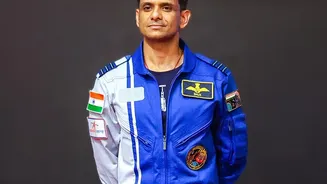
The training is a cornerstone of the long-standing space cooperation between India and Russia. The four astronaut-designates—Group Captains Prasanth Balakrishnan Nair, Ajit Krishnan, Angad Pratap, and Wing Commander Shubhanshu Shukla—completed a significant portion of their generic spaceflight training at Russia's renowned Yuri Gagarin Cosmonaut Training Center. This 13-month regimen, which concluded in 2021, was comprehensive. It included not just parabolic flights but also centrifuge training to simulate high G-forces, survival drills for various landing scenarios, and detailed studies of spacecraft systems. The use of Russian facilities like the Il-76 MDK flying laboratory highlights the international collaboration required for such a complex national endeavour. This Russian-led training laid the foundational skills upon which mission-specific preparations are now being built back in India.
More Than Just Floating
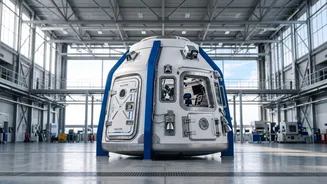
While the zero-gravity flights capture the public's imagination, they are just one piece of a much larger and more rigorous training puzzle. An astronaut's preparation is exhaustive, covering every conceivable aspect of a space mission. This includes mission-specific training in simulators and mock-ups of the Gaganyaan crew module at ISRO's Astronaut Training Facility in Bengaluru. They also undergo intense physical conditioning and practise emergency response procedures. A key part of their training involves water survival drills, conducted with the Indian Navy, to prepare for a potential splashdown recovery in the ocean. Furthermore, astronauts must become experts on the intricate systems of their spacecraft, ready to handle any technical issues that may arise. This holistic approach ensures they are prepared not just for the weightlessness of space, but for the operational demands and potential emergencies of the entire mission.
Gaganyaan's Grand Ambition
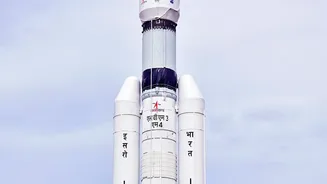
The Gaganyaan programme is ISRO's most ambitious project to date, aiming to make India only the fourth country in the world to independently send humans into space. The primary objective is to launch a crew of up to three astronauts into a low-Earth orbit of 400 kilometres for a mission lasting several days, and to bring them back safely to Earth. This requires not only a trained crew but also a human-rated launch vehicle (the LVM3), a life-sustaining crew module, and reliable recovery systems. According to recent updates from ISRO's chairman, the mission preparations are in their final phase, with key rocket components ready. While a firm launch date for the first crewed flight, targeted for 2027, is yet to be set, the programme is proceeding with a series of uncrewed test flights to validate all systems.