








Kerala is aiming for the skies with a bold new venture: an airline owned by its people. The state has approved a plan for India's first cooperative-sector airline, a project that hinges on a unique community-driven funding model.
A People-Powered Airline
Kerala has greenlit a proposal
for what is being positioned as India's first airline to operate under a cooperative model. Tentatively named 'Co-Keralam', the venture aims to leverage the state's deeply entrenched and successful cooperative movement, which has historically been a pillar of its rural and urban economies in sectors like banking and agriculture. The project is spearheaded by C.N. Vijayakrishnan, chairman of the cooperative-run MVR Cancer Centre and Research Institute. The stated goals are ambitious yet straightforward: improve regional air connectivity, offer more affordable travel options for a state with a massive diaspora, and demonstrate the power of the cooperative sector in a high-stakes industry.
Decoding the Co-operative Funding Model
Unlike a traditional airline owned by a large corporation or private investors, a cooperative airline is owned and controlled by its members. For 'Co-Keralam', this means the capital required to launch will not come from a single tycoon or the stock market, but from a broad base of stakeholders. The proposed financial structure is designed to raise an initial capital of around ₹400 crore. The plan involves approximately 200 of the state's cooperative societies each investing ₹2 crore. The model is also expected to draw investment from Non-Resident Indians (NRIs), a nod to the state's huge overseas population. This strategy mirrors the successful public-private partnership model of Cochin International Airport (CIAL), which was also funded by a wide base of investors, avoiding direct financial dependency on the state government.
The Blueprint for Operations
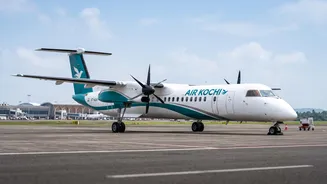
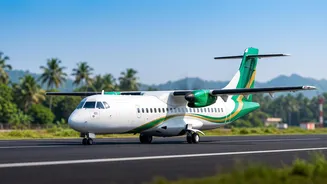
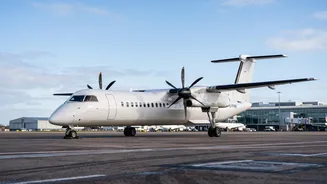
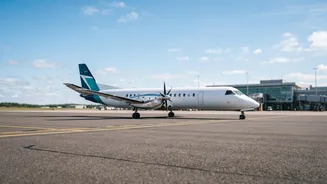
The initial operational plan is focused and regional. 'Co-Keralam' aims to start by leasing two 72-seater aircraft to minimize hefty upfront capital expenditure. With Kochi as its proposed hub, the airline plans to connect key destinations within Kerala like Kozhikode and Kannur, as well as nearby southern Indian cities including Bengaluru, Mangaluru, Chennai, Coimbatore, and Madurai. This focus on regional routes could fill a crucial gap in connectivity. Promoters are projecting fares in the range of ₹3,500 to ₹7,000, aiming to make shorthaul air travel more accessible. If the model proves successful, the fleet is expected to expand first to four and eventually six aircraft, broadening its network.
Promise and Potential
The potential upside of a cooperative airline is significant. Proponents believe a community owned structure will ensure the airline remains focused on service and affordability rather than solely on maximizing profits for a few shareholders. Any profits could be reinvested or returned to members, who are also the customers. This model could lead to more competitive fares and even discounted last minute tickets, as hinted by the promoters. Furthermore, the venture is expected to create local employment opportunities, not just in aviation but also potentially in allied sectors like training. For Kerala's Chief Minister V.D. Satheesan, this is a chance to show the world the strength and versatility of the state's cooperative sector.
Navigating Inevitable Turbulence
Despite the optimism, the path for a new airline is fraught with challenges. The aviation industry is notoriously difficult, defined by high operational costs, fierce competition, and thin profit margins. 'Co Keralam' will be entering a market with established giants. Ensuring the commercial viability of its chosen routes and sustaining the proposed low fare structure will be critical tests. The project also faces a mountain of regulatory hurdles, with approvals needed from bodies like the Directorate General of Civil Aviation (DGCA) for every aspect of its operation, from leasing aircraft to finalizing routes. While the state government's approval is a significant first step, the journey from a registered company to an operational airline is long and complex.