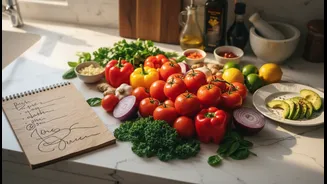










The Fantasy-Self Spending Trap
Many food budgets fail before the groceries are even put away. We shop for the person we aspire to be: someone who eats leafy salads daily, bakes bread from scratch, and tries a complex new recipe every Wednesday. But our real lives—and our real cravings—often
have different plans. This gap between our aspirational self and our actual self is a major source of food waste and budget overruns. That beautiful, expensive bunch of asparagus wilts in the fridge because on a tired Tuesday, dal and rice is what you truly want and have time for. The first step to a better budget is acknowledging who you are as a cook and an eater. Are you a quick-and-easy weeknight warrior? A batch-cooking weekend pro? A family with picky eaters? Being honest about your habits isn't a failure; it’s the foundation of a plan that works.
Start with a Kitchen Audit
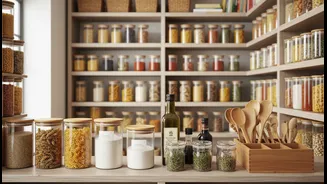
Before you write a single grocery list, take stock of what you already have. A thorough audit of your pantry, fridge, and freezer is like finding free money. Look at the items that are gathering dust. What did you buy with good intentions but never use? This tells you what to stop buying. On the other hand, what are the staples you run out of constantly? Those are your true essentials. Create three columns: 'Use It Up,' 'Always Need,' and 'Never Again.' The 'Use It Up' list helps you plan the next week's meals around items you already own, saving money immediately. The 'Always Need' list becomes the backbone of your future shopping trips, and the 'Never Again' list is your guardrail against impulse buys and aspirational purchases that lead to waste.
Build Your 'Go-To' Meal List
Instead of scouring the internet for brand-new, complicated recipes, start by listing 10-15 meals your household already loves and that you can cook with confidence. This is your core rotation. These are the dinners you can turn to on busy nights without much thought or stress. Think rajma chawal, chicken stir-fry, pasta, egg curry, or paneer bhurji. Get the family involved in making this list to ensure everyone has something to look forward to, which drastically reduces complaints and the temptation for last-minute takeaways. Once you have this list, identify the core ingredients for these meals. You’ll quickly see a pattern of overlapping ingredients like onions, tomatoes, ginger, garlic, and common spices, which helps streamline your shopping list.
Embrace Flexible Planning
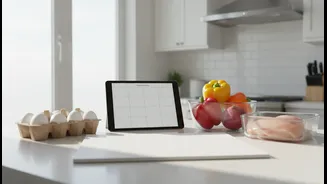
A rigid meal plan that dictates 'Chicken Curry on Monday, Palak Paneer on Tuesday' can feel restrictive and is easily derailed by a change in mood or schedule. A more sustainable approach is flexible planning. At the start of the week, choose five to seven dinner ideas from your 'go-to' list. Buy the ingredients for those meals, but don’t assign them to specific days. This 'freestyle' method allows you to decide what to cook each day based on your energy levels and cravings. If you have a busy evening, you can opt for the quickest meal on your list. If you have more time, you can tackle something more involved. This flexibility prevents the plan from collapsing the first time life gets in the way.
Shop Smart, Not Just Cheap
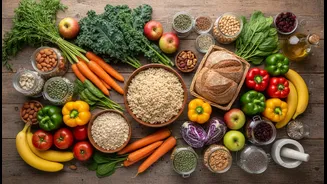
A successful budget isn't just about finding the cheapest items; it's about getting the most value out of what you buy. Always shop with a detailed list based on your flexible meal plan and kitchen audit. Resist the temptation of '10 for ₹500' deals unless the item is a non-perishable staple you use constantly. Buying in bulk is only a saving if you actually use it all before it expires. Similarly, focus your shopping on versatile ingredients. A bag of potatoes can become a side dish, part of a sabzi, or the star of a one-pot meal. Ground meat or paneer can be used in parathas, curries, or sandwiches. By prioritising ingredients that can serve multiple purposes in the meals you know you will cook, you ensure that very little goes to waste, making your grocery spend far more efficient.