






Why New York Is Hitting the Brakes
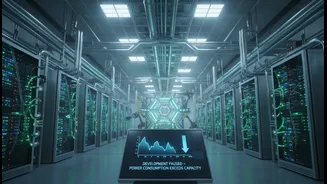
The primary driver behind this decision is the immense and rapidly growing strain that large-scale data centers, especially those powering artificial intelligence, place on the state's electricity grid. Governor Hochul stated the move is necessary to
protect ratepayers from higher utility bills, safeguard the environment, and ensure the stability of the energy grid for all New Yorkers. The state's grid operator, NYISO, has warned that a combination of retiring power plants and a surge in new demand from data centers and manufacturing is creating significant reliability challenges. As of May 2026, there were nearly 12 gigawatts of data center load requests in the state's interconnection queue, a massive increase that prompted regulators to act. The one-year pause on new environmental permits will give officials time to develop a comprehensive regulatory framework for these power-hungry facilities.
The AI Energy Dilemma
The boom in artificial intelligence is directly fueling the explosion in data center energy consumption. AI models require enormous computational power, which is provided by thousands of specialized servers packed into these hyperscale facilities. A single server rack built for AI can require 50 kilowatts or more, compared to just 10-15 kilowatts for traditional computing. This has led to a situation where global electricity demand from data centers is projected to double between 2022 and 2026, according to the International Energy Agency. In the U.S. alone, data centers accounted for over 4% of the country's total electricity consumption in 2024. This unprecedented demand creates a direct conflict between technological advancement and the physical limitations of our existing energy infrastructure.
What the Moratorium Entails
The executive order specifically targets new "hyperscale" data centers that consume or are capable of consuming at least 50 megawatts of electricity. It places a temporary hold on the issuance of certain discretionary state permits from the Department of Environmental Conservation for up to one year, or until a statewide environmental impact study is completed. The moratorium does not affect projects that had already been deemed complete before the order was signed, nor does it apply to local government permits. The legislation that prompted this executive order, the Responsible Data Center Development Act, had proposed a lower threshold of 20 MW. During the pause, state agencies will study the cumulative impacts of these facilities on energy demand, water use, and local communities, with the goal of creating a sustainable plan for future development.
Industry Pushback and Future Outlook
The decision has been met with a mix of support and criticism. Environmental groups and community advocates have praised the moratorium as a crucial step to prevent environmental harm and protect consumers from rising energy costs. However, some business and construction groups argue that a blanket moratorium could damage New York's economy and cause it to lose out on investment and tech jobs to other states. Opponents of the ban argue that while safeguards are necessary, a full stop on development is the wrong approach. This move by New York is seen as a major test case. As the demand for AI continues to skyrocket, governments and tech companies globally will be watching closely to see how the state balances the promise of innovation with the practical need for a stable and affordable energy supply.