







The Meal That Divided the Internet
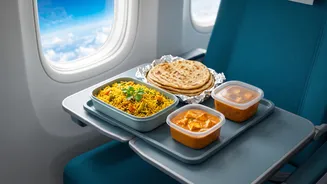
In late August 2026, a video showing a family serving and eating a multi-course homemade meal on an IndiGo flight went viral. The clip depicted family members distributing dhoklas, theplas, and other snacks on disposable plates, effectively creating a small
buffet in the cabin. The video quickly sparked a debate online. Some viewers defended the family, celebrating their resourcefulness and the cultural importance of sharing homemade food. Others, however, criticized the act as a breach of public etiquette, expressing concern about lingering food odors in an enclosed space and the general disruption. This incident is just the latest in a long line of viral moments that question the unwritten rules of eating on a plane, from passengers bringing fragrant seafood boils to another who ate seasoned chicken thighs, sparking outrage from a nearby passenger.
The Science of Smell in a Pressurized Cabin
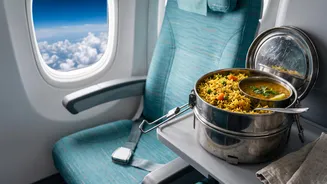
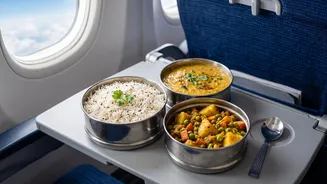
What makes a meal perfectly acceptable on the ground can make it a social faux pas in the air. The main culprit is the cabin environment itself. Airplane air is notoriously dry and recirculated, and while HEPA filters are effective at removing particles, they don't eliminate all odor molecules. This means strong smells, whether from a tuna sandwich or a curry, can linger and intensify in the confined space. Furthermore, our perception of taste and smell changes at high altitudes. The low humidity and pressure can dull our ability to taste sweet and salty foods, but our sensitivity to certain aromas remains. This is why some foods, like fish, eggs, or certain spices, become particularly potent and potentially offensive to fellow travelers who are just inches away.
The Logistical Hurdles of Serving and Spilling
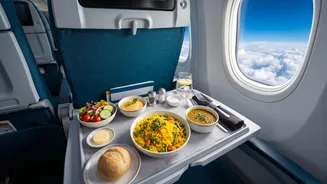
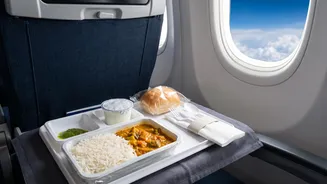
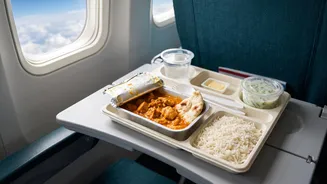
Beyond the smell, there's the simple challenge of logistics. Whether it's an airline-provided tray or a meal brought from home, eating in a cramped economy seat is an exercise in dexterity. Turbulence can turn a cup of coffee or a bowl of noodles into an instant mess, and there's limited space to maneuver. While passengers are generally allowed to bring solid food items through security, liquids and gels are restricted, which shapes what people can carry on. The viral video of the family meal also highlighted the issue of movement in the cabin, with members walking around to serve food, a practice that can be disruptive and a safety concern during certain phases of flight. The entire process, from unwrapping to eating and disposing of trash, is magnified in the tight quarters of a plane.
The Hidden Problem of Waste
Every in-flight meal, whether purchased onboard or brought from home, contributes to a significant amount of waste. From plastic wrap and foil lids to disposable cutlery and napkins, the single-use nature of airline catering is a major environmental concern. The family in the viral video was seen collecting their waste in a large bag, an act of cleanliness that some viewers praised. However, the incident still underscores the volume of trash generated by hundreds of passengers on a single flight. Airlines and catering companies are increasingly under pressure to find more sustainable solutions, but the need for hygiene, food safety, and convenience often makes reducing waste a complex challenge. Recent allegations against a major airline caterer, involving moldy dishes and unsanitary conditions, also highlight the immense pressure and potential pitfalls in the mass production of in-flight meals.