



Meet the International Crew
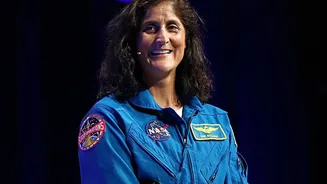
The Crew-13 mission is a testament to global collaboration in space. The crew is led by Commander Jessica Watkins of NASA, a geologist who is on her second spaceflight. She is joined by NASA pilot Luke Delaney, a former naval aviator for whom this will
be his first time in orbit. Rounding out the team are two mission specialists, also on their rookie flights: Joshua Kutryk, a former CF-18 fighter pilot from the Canadian Space Agency (CSA), and Sergey Teteryatnikov, a former submariner from the Russian space agency Roscosmos. This diverse team brings a wealth of experience from different fields, from geology to military aviation, all essential for the complex tasks awaiting them 400 kilometres above the Earth.
A Grueling Training Regimen
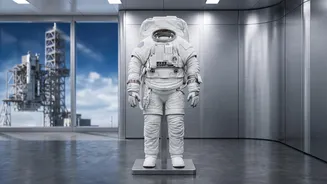
Becoming eligible for a mission to the ISS is an achievement in itself, requiring about two years of intensive initial training. Once assigned to a specific mission like Crew-13, the astronauts undergo another 18 months of specialized preparation. This isn't just classroom learning; it involves mastering everything from spacecraft systems and emergency procedures to Russian language skills for seamless communication on the station. To prepare for weightlessness, they spend countless hours in massive swimming pools like the Neutral Buoyancy Laboratory, where they practice spacewalks in full gear, learning to perform complex tasks in a simulated microgravity environment. They also endure land and sea survival training, ensuring they are prepared for any emergency upon their return to Earth.
Simulating the Final Frontier
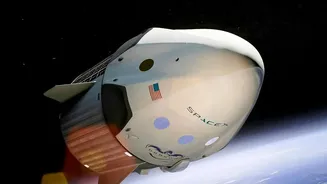
A significant part of the crew's preparation involves high-fidelity simulators at NASA's Johnson Space Center. These mockups of the SpaceX Dragon capsule and ISS modules allow the astronauts to rehearse every phase of their mission, from the intense vibrations of launch to the delicate process of docking with the station. They train as a team with mission controllers on the ground, running through both nominal procedures and emergency scenarios, like fires or cabin depressurization, until the response is second nature. Astronauts typically log a combined total of 300 hours in these simulators before their first flight, ensuring they are ready for anything.
Science on the Agenda
The Crew-13 mission is packed with scientific research that promises benefits for both future space explorers and life on Earth. A key focus will be studying human stem-cell-derived tissues to advance treatments for diseases like Parkinson's and heart disease. The crew will also explore new methods for crop production in space, a vital technology for enabling long-duration missions to the Moon and Mars. Additionally, they will continue research into the physiological effects of microgravity, such as fluid shifts and bone density loss, and test new medical diagnostic equipment to monitor crew health on orbit.
Countdown to Liftoff
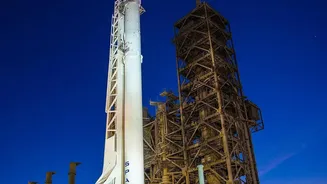
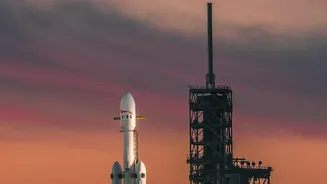
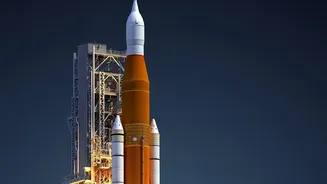
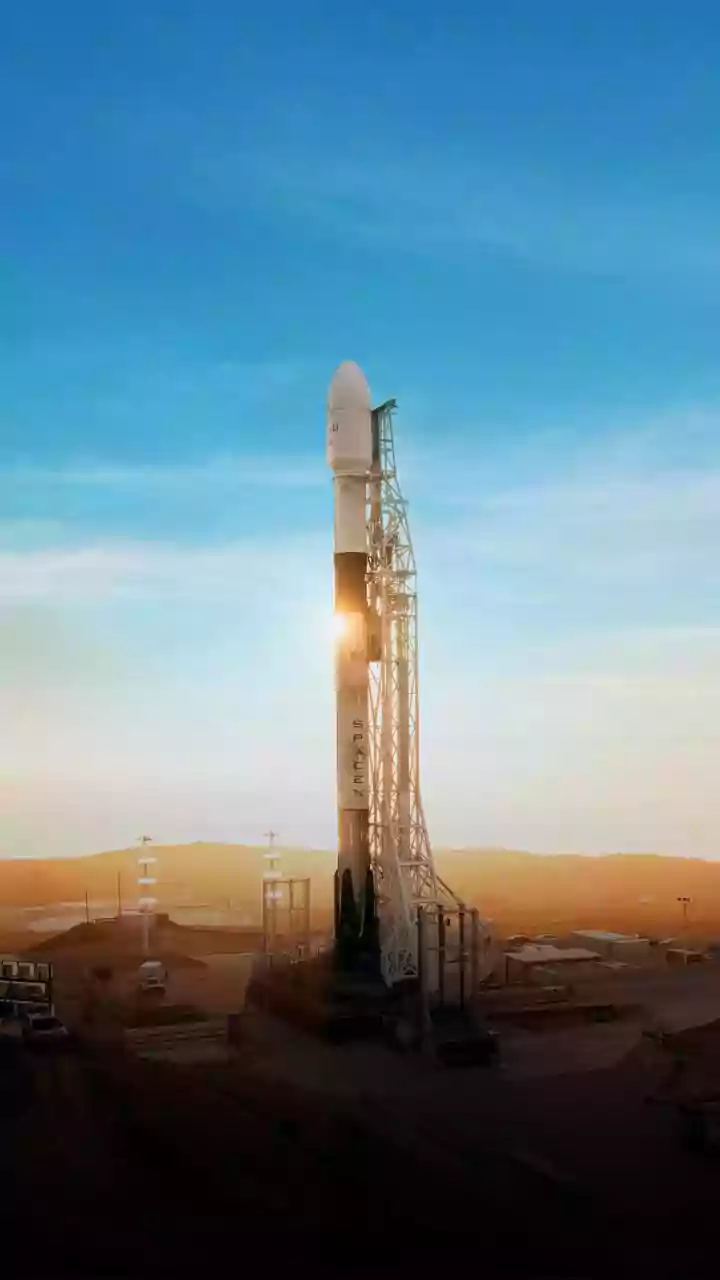
The mission is set to launch from Cape Canaveral Space Force Station in Florida aboard a SpaceX Falcon 9 rocket. This will be the 13th operational crew rotation flight to the ISS under NASA's Commercial Crew Program, a partnership with private industry that has ensured continuous human access to the orbiting laboratory. As launch day approaches, the crew enters a final quarantine period while teams on the ground complete final checks on the Dragon spacecraft and its rocket. Upon arrival at the ISS, Crew-13 will join the Expedition 75 crew, beginning a stay of approximately six months dedicated to science and maintenance before their own return journey.