


The Ergonomics of a Happy Plant
The core task at the heart of the headline is rotation. Turning your plants is not just for looks; it is essential for their health. Plants are phototropic, meaning they naturally grow towards their light source. Without regular turning, a plant will
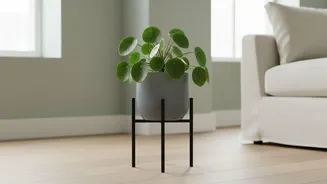
lean, developing strong, full foliage on one side and becoming sparse and weak on the other. Experts often suggest a quarter turn every week or each time you water to ensure balanced growth. This is where a plant stand makes a tangible difference. Instead of bending down to lift and twist heavy or numerous small pots on the floor or a low shelf, a stand elevates them to a comfortable height. This simple change in elevation makes the quick, regular turns effortless, transforming a cumbersome task into a simple, ergonomic motion. This ease of access also encourages more frequent inspection for pests or disease.
More Than Just a Convenient Turn
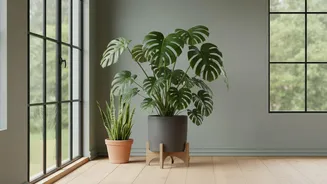
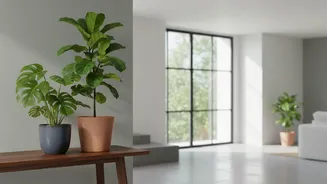
While making rotation easier is a significant benefit, the advantages of a plant stand extend much further. Elevating a plant just a foot or two off the ground can dramatically improve its environment. Firstly, it enhances air circulation around the entire pot and the base of the plant. Stagnant air can lead to moisture buildup in the soil, creating an ideal environment for fungal diseases and root rot. A stand allows air to flow freely, keeping the soil and roots healthier. Secondly, it provides better access to light. In many rooms, light intensity drops significantly closer to the floor. Lifting a plant into that brighter zone can be the difference between it merely surviving and actively thriving. Finally, a stand helps with temperature regulation by creating a buffer from cold drafts or hot floors, which can stress the plant's root system.
A Solution for Every Space and Surface
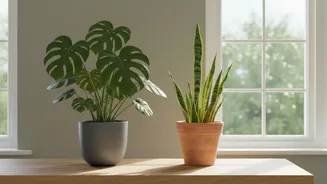
One of the most practical benefits of a plant stand is its ability to protect your home. Placing a pot directly on a hardwood floor, carpet, or piece of furniture is a recipe for disaster. Inevitable water spills, condensation, or soil leakage can cause permanent stains, warping, and damage. A stand acts as a crucial barrier between the pot and your valuable surfaces. This is especially true for porous terracotta pots, which can transfer moisture directly to the surface they sit on. Furthermore, stands are a brilliant solution for maximising space. In smaller homes or apartments, floor space is a premium. Multi-tiered or ladder-style stands allow you to go vertical, creating a lush green corner with a minimal footprint. From sleek metal frames to warm wooden designs, stands exist for every aesthetic and every corner of your home.
From Collection to Curation
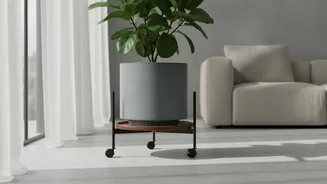
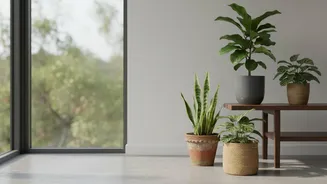
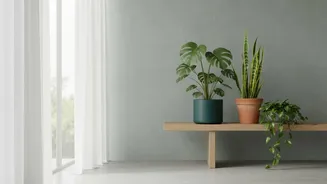
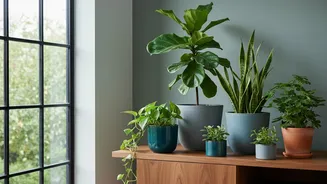
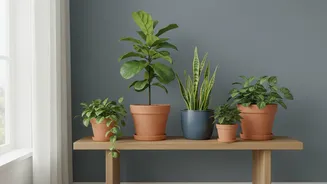
Beyond the functional benefits, a plant stand is a powerful design tool. It can transform a scattered collection of individual pots into a cohesive and intentional decorative feature. Grouping plants together on a stand creates a focal point, drawing the eye and adding a dynamic, layered look to your decor. You can play with different heights and textures, pairing a tall stand with shorter ones to create a cascading effect of greenery. This elevation not only makes each plant more visible but also integrates your green companions into your home's overall style. It turns your hobby into a statement piece, showcasing your hard work and adding life and vibrancy to any room. Whether you opt for a rolling stand for easy rearranging or a simple pedestal to highlight a favourite specimen, the right stand marries form and function beautifully.