



More Than Just a Streak of Light
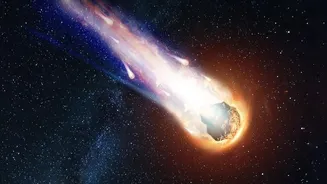
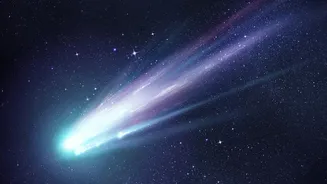
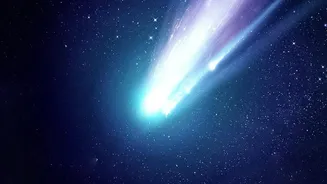
For centuries, a meteor was simply a “shooting star,” a momentary flash across the night sky. But modern astronomy, aided by powerful imaging, is revealing it as a complex physical event. A recent image highlighted by NASA showcases this beautifully,
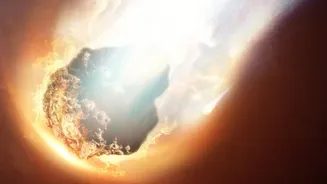
capturing the moment a small meteoroid, likely no bigger than a pebble, plummets into Earth's atmosphere. Instead of just a uniform line of light, the picture details how the object itself vaporizes while simultaneously heating the air around it, creating a glowing trail rich with scientific data. This isn't just a pretty picture; it's a frozen moment of intense physics, offering clues to the meteor's composition and its violent interaction with our planet's protective atmospheric shield.
Decoding the Colors of a Meteor
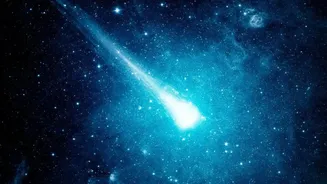
The vibrant colors of a meteor are its chemical fingerprint. As a meteoroid enters the atmosphere, it isn't friction that heats it up, but rather the intense compression of the air in front of it, a phenomenon known as ram pressure. This process generates temperatures that can exceed 1,650 degrees Celsius, hot enough to vaporize the rock and the minerals within it. Each element, when vaporized, emits light at a characteristic wavelength, creating a specific color. For example, sodium tends to produce an orange-yellow glow, while iron appears yellow. A flash of blue-green points to magnesium, and violet can indicate the presence of calcium. Even the air itself contributes, with atmospheric nitrogen and oxygen glowing red when superheated. By analyzing these colors, scientists can effectively perform a chemical analysis from afar.
The Science of Atmospheric Heating
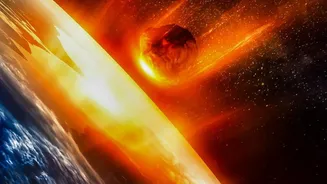
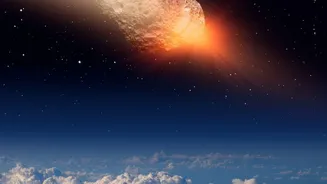
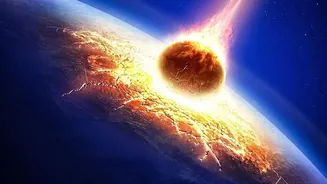
The process of a meteor heating up is incredibly rapid and violent. Traveling at tens of thousands of miles per hour, the meteoroid slams into the atmosphere, compressing the air in front of it so intensely that it becomes a superheated plasma. It is this scorching plasma that transfers heat to the meteoroid, causing its surface to melt and vaporize. NASA models have explored how this process creates a radiating gas shell that can be many meters thick, located well ahead of the actual solid object. Recent research has also shown how certain minerals, like iron sulfide, vaporize within the meteoroid as it heats, creating voids and making the object more porous. This insight helps scientists better predict whether a meteor will break apart high in the atmosphere or survive its journey to the ground.
What This Means for Skywatchers
This deeper understanding transforms meteor watching from a passive activity into an analytical one. Amateur astronomers can now attempt to “read” a meteor streak. By paying close attention to the colors, a skywatcher can make an educated guess about a meteor's composition. A bright green flash, for instance, is a strong indicator of magnesium and is common in showers like the Perseids. A yellow hue might suggest an iron-rich body, typical of the Geminids. This new layer of information adds depth to the experience, turning every shooting star into a puzzle of celestial chemistry. It connects the visual spectacle directly to the cosmic origins of the object, whether it's a fragment from a rocky asteroid or icy debris left behind by a comet.
Beyond the Light Show: The Bigger Picture
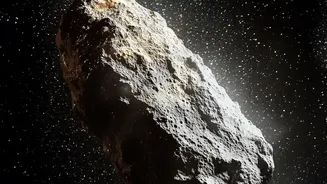
Studying how meteors burn up isn't just about understanding the pretty lights. This research has profound implications. By analyzing the composition of meteoroids, scientists gain invaluable knowledge about their parent bodies—the asteroids and comets that populate our solar system. This information is crucial for planetary defense, as it helps in assessing the threat posed by larger objects. Furthermore, because meteorites are remnants from the formation of the solar system 4.5 billion years ago, their chemical makeup provides a direct window into the past. They carry clues about the raw materials, like water and organic compounds, that were present in the early solar system and may have played a role in the origin of life on Earth.