

A Surprise in a Familiar System
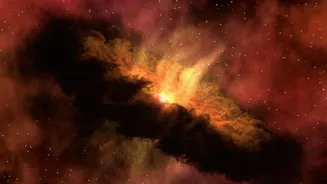
Located just 63 light-years from Earth, the Beta Pictoris system is one of the most intensely studied planetary systems in our galaxy. It’s a young system, only about 23 million years old, and provides astronomers with a rare glimpse into the chaotic
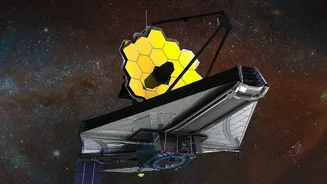
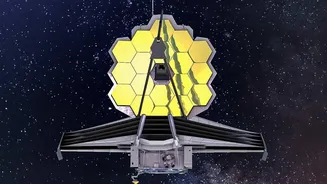
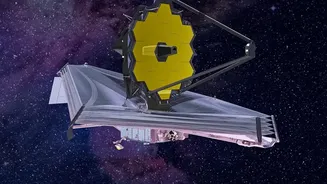
process of how planets form and evolve. Previously, we knew of two massive planets orbiting the star: Beta Pictoris b and c. Now, thanks to the keen eye of the JWST, a third planet, named Beta Pictoris d, has joined the family. The discovery was serendipitous; astronomers weren't even looking for a new planet. They were studying the atmosphere of Beta Pictoris b when the telltale signs of another massive body appeared unexpectedly in their data.
The Widest Orbit in the Family
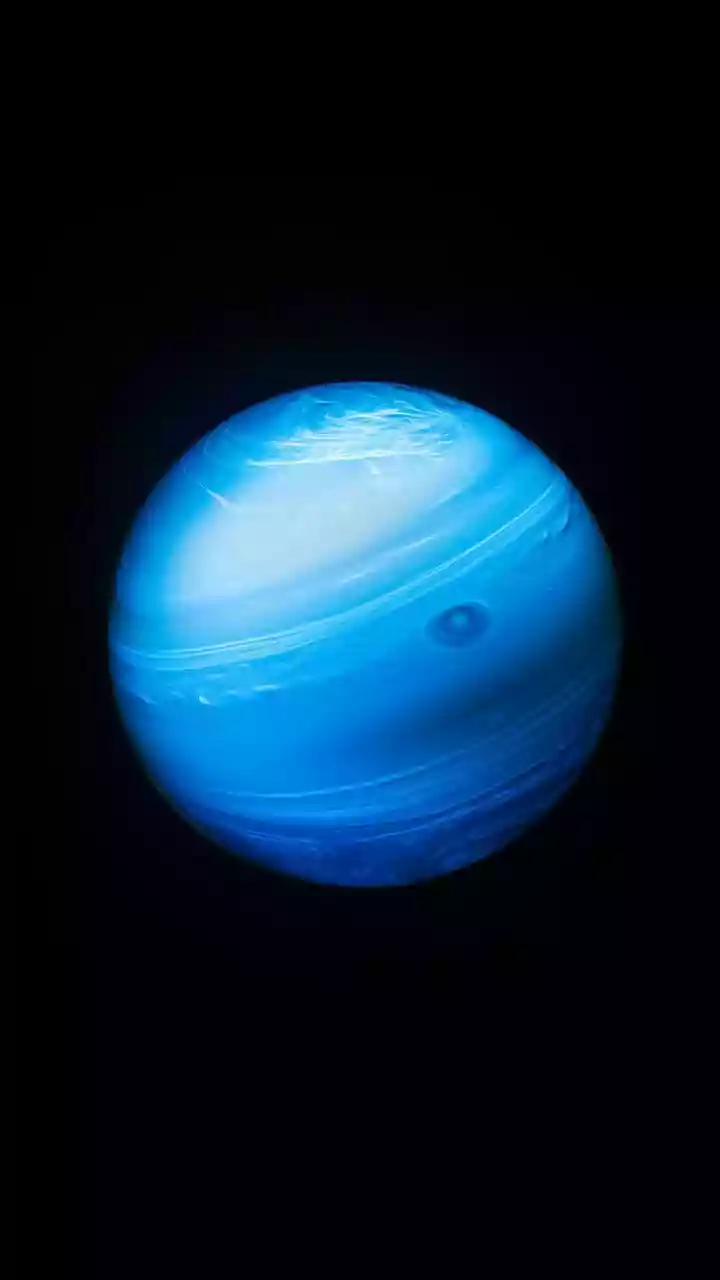
What makes Beta Pictoris d particularly fascinating is its orbit. It circles its star at a distance of about 30 astronomical units (AU), which is 30 times the distance between the Earth and our Sun. This is comparable to where Neptune sits in our own solar system. While other exoplanets have been found with much wider orbits around their stars, this is the widest orbit of the three known planets within the Beta Pictoris system. Its position places it just inside the system's massive, bright ring of dust and rocky debris left over from its formation. This discovery turns Beta Pictoris into only the second planetary system, after the famous HR 8799, to have more than two planets directly imaged, offering a unique chance to compare multiple planets born from the same environment.
A New Way to Find Planets
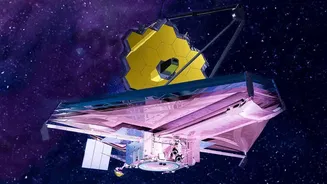
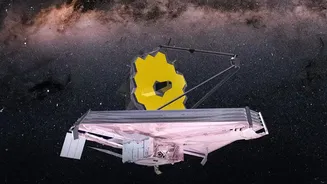
This discovery wasn't made in the traditional way. Usually, giant planets are found by directly imaging them as a faint point of light next to their bright star. However, Beta Pictoris d was hidden within the glare of the system's dusty debris disk. Instead of seeing the planet, the JWST detected its presence by identifying the unique chemical fingerprint of its atmosphere. Using its powerful Near-Infrared Spectrograph (NIRSpec), the telescope mapped the chemical contents of the system. It found a distinct signal of molecules like carbon monoxide, methane, and water vapour that could only belong to a massive planet. This technique of finding a planet by its atmospheric traces, rather than its light, could revolutionise the search for worlds in other dusty, complex star systems.
Putting Theories to the Test
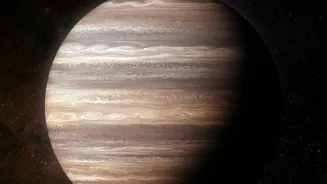
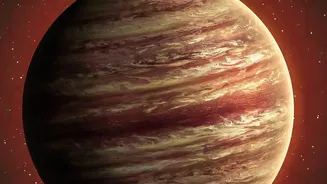
The existence and location of Beta Pictoris d provide a live test for theories of planet formation. A gas giant with a mass at least twice that of Jupiter, it is the smallest of the three planets in the system. Its wide orbit, so close to the inner edge of the debris disk, supports the theory that giant planets are responsible for carving out and shaping these disks through their immense gravity. Furthermore, studying how this 'hot start' giant planet formed—whether through the slow accumulation of a core or a rapid collapse of gas—will help scientists refine their models. The Beta Pictoris system, with its trio of giant planets, now becomes an even more vital natural laboratory for understanding how solar systems like our own come to be.