





With Luiz Inácio Lula da Silva leading Brazil, the phrase 'Brazil is back' echoes beyond its borders. His presidency signals a major shift, not just for the Amazon rainforest, but for the collective ambitions of the Global South.
A Renewed Voice for the Global South
The 'Global South' broadly
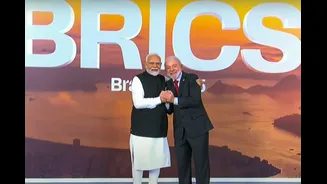
refers to developing and emerging nations in Latin America, Africa, and Asia, which often share similar development challenges and a desire for a more equitable world order. Under his predecessor, Brazil largely retreated from the world stage. Lula, in contrast, has actively positioned Brazil as a leading voice for these nations. His foreign policy emphasizes South-South cooperation, aiming to build a multipolar world where decisions aren't dictated solely by traditional powers like the US and Europe. This involves strengthening alliances like BRICS (Brazil, Russia, India, China, South Africa) and pushing for reforms in global institutions such as the UN Security Council and the International Monetary Fund.
Climate Action as Diplomatic Leverage
Lula's most visible priority has been environmental protection, specifically halting deforestation in the Amazon rainforest. Since he took office, deforestation rates have fallen significantly, a stark reversal of the policies under the previous administration. This environmental focus is not just a domestic issue; it's a cornerstone of his foreign policy. By positioning Brazil as a climate leader, Lula aims to attract international investment for sustainable development and give the Global South a stronger moral and political standing in climate negotiations. Hosting the COP30 climate summit in the Amazonian city of Belém in 2025 was a symbolic move to underscore this commitment.
Championing a Multipolar World
A key theme of Lula's agenda is 'active non-alignment'. This means engaging with all major powers—including the US, China, and the European Union—without picking sides. He has championed the BRICS group as a vehicle for promoting the interests of emerging economies, including greater use of local currencies in trade to reduce reliance on the US dollar. For countries like India, this aligns with the goal of strategic autonomy and building a more balanced global power structure. Lula's vision is not about creating an anti-West bloc, but rather about ensuring that the perspectives of developing nations are central to solving global problems, from economic crises to geopolitical conflicts.
Fighting Hunger and Inequality
Lula's domestic fight against poverty and hunger is mirrored in his international agenda. He has used Brazil's G20 presidency to launch a Global Alliance Against Hunger and Poverty, making inequality a central theme of the forum's work. This priority resonates deeply across the Global South, where food security, access to healthcare, and equitable development remain urgent challenges. By sharing Brazil's experiences with social welfare programs that lifted millions out of poverty during his first terms, Lula hopes to provide a blueprint for other developing nations and advocate for a global financial system that better serves their needs.
Why It Matters for the World
Lula's return to the world stage is an attempt to re_establish Brazil as a major diplomatic player and a bridge_builder. His administration is working to reverse the setbacks of the previous government and project the country as a leader of the Global South in a reconfiguring world. While facing a conservative_leaning Congress at home, his international efforts have been pronounced. He has promoted a 'participatory' G20, aiming to make the forum more inclusive of social participation. The success of this ambitious agenda hinges on his ability to navigate complex geopolitics and deliver on his promises, but his efforts are already reshaping conversations about climate, trade, and what a more inclusive global order could look like.