





How Gentle Yoga Aids Digestion
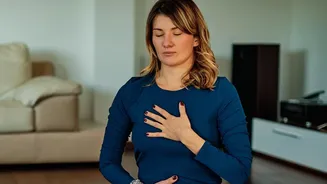
The connection between yoga and digestive wellness lies in its ability to calm the nervous system and gently stimulate the abdominal organs. Many digestive issues are linked to stress, which activates the body's 'fight-or-flight' response and diverts
energy away from digestion. Yoga helps shift the body into a 'rest-and-digest' state, allowing it to function more effectively. Specific poses, such as twists and gentle compressions, act like an internal massage for the intestines and other organs. This action can increase blood flow, encourage the movement of food and waste through the digestive tract, and help relieve bloating and trapped gas.
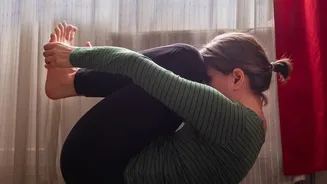
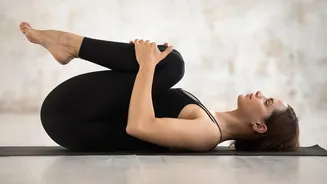
Wind-Relieving Pose (Pawanmuktasana)
As its name suggests, this pose is renowned for its ability to help release trapped gas and ease abdominal pressure. The gentle compression of the thigh against the belly massages the ascending and descending colon, which can stimulate bowel movements and provide significant relief from bloating.How to do it: Lie on your back with your legs extended. As you exhale, draw your right knee toward your chest. Clasp your hands around your shin or just below the knee. Keep your shoulders and neck relaxed on the floor. Hold for 5-10 deep breaths, feeling the gentle pressure on your abdomen. Release and repeat on the left side. For a deeper massage, you can then draw both knees into your chest and gently rock side-to-side.
Cat-Cow Pose (Marjaryasana-Bitilasana)
This dynamic movement is a foundational yoga sequence that warms up the spine and gently massages your internal organs. The rhythmic motion of arching and rounding your back creates a subtle expansion and contraction in the abdomen, which stimulates blood flow to the gut and encourages movement within the digestive tract.How to do it: Start on your hands and knees in a tabletop position, with your wrists directly under your shoulders and knees under your hips. As you inhale, drop your belly towards the mat, lift your chest and tailbone, and look forward (Cow Pose). As you exhale, round your spine toward the ceiling, tucking your chin to your chest and drawing your navel in (Cat Pose). Continue flowing between these two poses for 8-10 breaths, matching your movement to your breath.
Supine Spinal Twist (Supta Matsyendrasana)
Twisting poses are like wringing out a sponge; they help stimulate and detoxify the abdominal organs. The Supine Spinal Twist is a gentle, restorative version that is perfect for beginners. It encourages movement in the digestive organs, which can aid in detoxification and relieve constipation or bloating without requiring intense effort.How to do it: Lie on your back with your knees bent and feet flat on the floor. Extend your arms out to the sides in a 'T' shape. Exhale and gently lower both knees to your right side. You can turn your head to the left if it feels comfortable for your neck. Focus on keeping both shoulders grounded on the mat. If your knees don't reach the floor, place a cushion or block under them for support. Hold for 30-60 seconds, then repeat on the other side.
Child's Pose (Balasana)
Child's Pose is a deeply calming posture that provides gentle compression to the abdomen, helping to soothe an upset stomach. By folding your torso over your thighs, you apply light pressure to your digestive organs, which can help release tension and promote relaxation. This pose is especially beneficial for relieving stress-related digestive discomfort.How to do it: Kneel on the floor, touching your big toes together and sitting back on your heels. Separate your knees about as wide as your hips. Exhale and fold forward, resting your torso between your thighs. Rest your forehead on the floor and let your arms relax alongside your body with palms facing up. Breathe deeply into your back and abdomen for up to a minute or longer, allowing your stomach to fully relax.
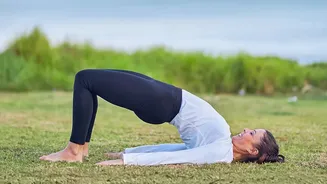
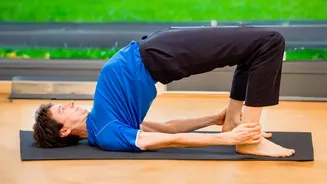
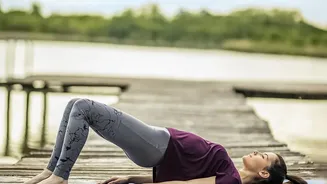
Bridge Pose (Setu Bandhasana)
While it may not seem like an obvious choice, Bridge Pose can be very effective for digestion. Lifting the hips stretches the abdominal muscles and can help stimulate the organs. For some, this gentle backbend helps improve circulation and activates the parasympathetic nervous system, which governs the body's 'rest and digest' functions, making it particularly useful for stress-induced bloating.How to do it: Lie on your back with your knees bent, feet flat on the floor hip-width apart, and heels close to your sitting bones. On an exhale, press through your feet and lift your hips off the floor. Keep your thighs parallel. You can clasp your hands on the floor beneath your pelvis for a deeper chest opening. Hold for 5-8 breaths, then slowly lower your hips back down.