







The Golden Heart of Indi
The first impression of Indi's famous lemon market is a sensory overload in the best possible way. Mounds of bright yellow and green lemons are piled high, creating a temporary, fragrant landscape. The air is thick with the sharp, clean scent of citrus,
mingling with the calls of traders and the hum of activity. This is the epicentre of a trade that sustains thousands of families and defines the region's agricultural identity. Vijayapura is the largest lemon-growing district in Karnataka, and Indi taluk is its heart, accounting for a significant portion of this cultivation. The scale is immense, with tonnes of lemons traded daily, destined for kitchens, juice stalls, and processing units across India and even overseas.
A Legacy Born from Arid Soil
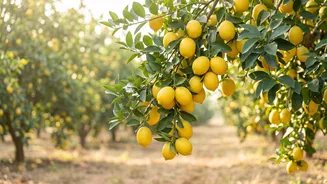
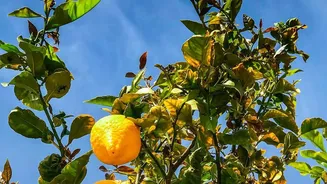
Indi's journey to becoming a lemon powerhouse is a story of agricultural ingenuity. The region's semi-arid climate and black loamy soil, not traditionally suited for many cash crops, proved to be ideal for a specific variety of lemon: the Kagzi. This local variant, also known as Indi Lime, has been cultivated here since the early 1900s. The name 'Kagzi' refers to its distinctive paper-thin peel ('kagaz' meaning paper), a quality that makes it easy to squeeze. For over a century, local farmers have perfected its cultivation, creating a crop that is not only resilient but also highly sought after. This deep-rooted history and the fruit's unique qualities earned the Indi Lime a Geographical Indication (GI) tag in 2023, officially recognising its special connection to this land.
The Celebrated Kagzi Lemon
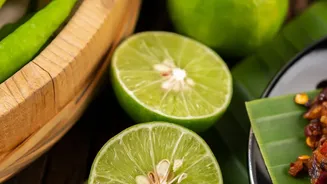
What makes the Indi or Kagzi lemon so special? It's a combination of desirable traits. Beyond its famously thin rind, the fruit is celebrated for its high juice content, pronounced acidity, and strong, refreshing aroma. These characteristics make it a favourite for a wide range of culinary uses, from the ubiquitous nimbu pani and pickles to flavouring curries and salads. The fruit's high concentration of Vitamin C also adds to its appeal. These superior qualities have not gone unnoticed. The establishment of the Karnataka State Lime Development Board in Indi further underscores the crop's immense importance to the local and state economy.
An Engine of Economic Opportunity
The lemon trade is the economic backbone of Indi taluk. Lemon cultivation is spread across thousands of hectares, with Indi alone responsible for a majority of the production within the Vijayapura district. This industry provides a livelihood for more than 15,000 farmers and countless others involved in trading, transport, and processing. The demand for Indi's lemons has also spurred a secondary industry: nurseries cultivating and selling lemon saplings. Farmers from neighbouring districts and even other states like Maharashtra, Andhra Pradesh, and Tamil Nadu travel to Indi to purchase the prized Kagzi saplings, hoping to replicate its success. This vibrant trade has created a self-sustaining ecosystem built entirely around the humble citrus fruit.
From Indi to the World
While a significant portion of Indi's lemons are supplied to domestic markets across India, the GI tag has opened up new global avenues. The unique qualities of the Indi Lime—its flavour, aroma, and longer shelf life—make it an attractive product for export. Following successful trial shipments, Indi's lemons have found a market in the Middle East, particularly in Dubai and Oman, and have also been sent to the United Kingdom. This international recognition not only brings in valuable foreign exchange but also provides local farmers with access to premium markets, helping to improve their income and insulate them from domestic price fluctuations.