





An Appetite for Tradition
Across India, the monsoon isn't just a weather pattern; it's a cultural event that transforms how people eat. For generations, kitchens have adapted to the season, favouring warm, freshly cooked meals that provide comfort against the damp chill. Traditional
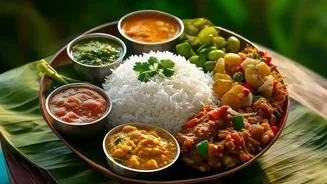
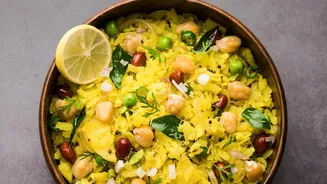
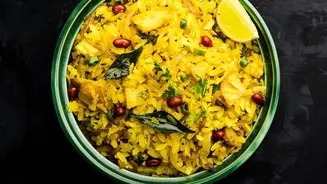
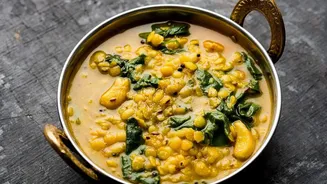
recipes often feature spices like ginger, turmeric, and black pepper, valued for their warming and digestive properties. Dishes like Bengal's khichuri, Maharashtra's kanda bhaji, and Karnataka's bisi bele bath are not just meals but cherished rituals that bring families together. This culinary wisdom, passed down through generations, celebrates local, seasonal produce and offers a stark contrast to the convenience-driven world of modern food consumption. The craving for these specific tastes during the rains is a deeply ingrained part of the country's culinary heritage.
The Festival as an Experience
Capitalising on this seasonal nostalgia, hotels and cultural organisations across the country are hosting monsoon food festivals. These are not just about eating; they are immersive experiences. Events like the 'Monsoon Express' in Bengaluru recreate the romance of train journeys with street food stations offering delights like vada pav and galouti kebabs. In the Andaman & Nicobar Islands, the annual Monsoon Food & Culture Festival brings together diverse communities to showcase their unique cuisines, music, and dance, strengthening a spirit of unity. From a Levantine Kebab Festival in Delhi to a celebration of Lucknowi and Hyderabadi royal cuisines in Gurugram, these events turn dining into a destination. The atmosphere is a key ingredient, with organisers creating lively, festive ambiances complete with music and cultural performances.
A Conscious Choice Over Convenience
The rise of these festivals represents a quiet rebellion against the fast-paced, transactional nature of food delivery apps. While ordering in offers unparalleled convenience, it often lacks the soul and sense of community that marks traditional Indian dining. The slow food movement, which champions preparing dishes from scratch with local ingredients, finds a natural home in these monsoon celebrations. It’s a shift from merely assembling a meal to appreciating the craft behind it. Chefs and restaurateurs note that guests are increasingly seeking holistic experiences that include regional cuisine and seasonal comfort food. Choosing to attend a food festival is choosing to participate in a story—one of heritage, community, and the simple, profound pleasure of a meal savoured slowly while the rain falls outside.
What's on the Monsoon Menu?
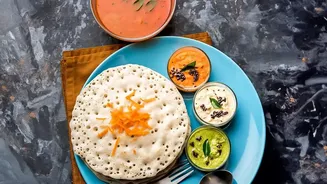
The offerings at these festivals are a tribute to India’s diverse monsoon palate. The undisputed star is the pakora, or bhaji, a crispy fritter made with everything from onions and potatoes to paneer, best enjoyed with a steaming cup of chai. Another quintessential monsoon snack is bhutta, or roasted corn on the cob, seasoned with lime, salt, and chili. Beyond the snacks, menus feature hearty, comforting meals. In the north, you might find spicy chole bhature, while the south celebrates with various forms of rasam and flavorful dosas. Hotels like The Leela and Taj group curate special seasonal menus, offering everything from unlimited chai and pakora packages to sophisticated tasting menus that elevate traditional comfort dishes into gourmet experiences. These offerings allow diners to explore the rich tapestry of India's rainy-season cuisine, from street-side favourites to palace kitchen-inspired delicacies.