


The Case for Beetroot: Earthy and Nutrient-Dense
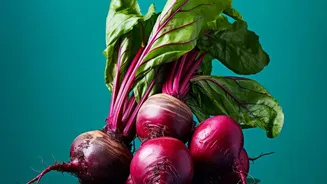
Beetroot’s deep, ruby colour is a clear indicator of its rich nutritional profile. This sweetness comes with more carbohydrates and calories than a radish, but it's packed with benefits. One of its most celebrated components is dietary nitrate. The body
converts this into nitric oxide, a molecule that helps relax and dilate blood vessels. This process is linked to lower blood pressure and improved blood flow, making beetroot a favourite among athletes looking for an endurance boost. Beyond nitrates, beetroot is a champion of folate (Vitamin B9), which is crucial for cell growth and DNA formation. It also delivers a significant amount of manganese, potassium, and iron. The vibrant colour comes from antioxidants called betalains, which have potent anti-inflammatory properties that help protect cells from damage.
Radish's Advantage: Crisp, Cool, and Surprisingly Powerful
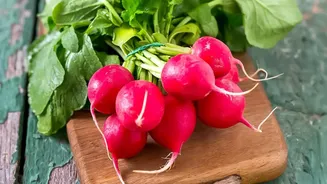
Don’t underestimate the humble radish. While it's 95% water and significantly lower in calories, carbs, and sugar than beetroot, it packs a serious nutritional punch in other areas. Its biggest claim to fame is its high Vitamin C content, an essential antioxidant for a strong immune system and healthy skin. A serving of radishes can provide a substantial portion of your daily Vitamin C needs. Radishes belong to the cruciferous family, alongside broccoli and cabbage, and contain unique sulphur compounds called glucosinolates. These are responsible for the radish's sharp, peppery flavour and have been studied for their potential role in detoxification pathways and disease prevention. Radishes are also a better source of calcium compared to beets, which is vital for bone health.
A Head-to-Head Nutritional Showdown
When placed side-by-side, a clear split emerges. Beetroot is the undisputed winner for folate, iron, and potassium. It also contains more dietary fibre, which is important for digestive health. On the other hand, radish decisively wins the Vitamin C round, with some data suggesting it contains over 200% more than beetroot per gram. Radish is also the smarter choice for those watching their calorie and sugar intake, as it contains significantly less of both. For other nutrients, the differences are less pronounced. Both vegetables offer similar amounts of Vitamin B6, but radish pulls slightly ahead on calcium, while beetroot offers more of most other minerals like magnesium and phosphorus.
Beyond the Basics: Unique Bioactive Compounds
A vegetable’s benefits aren't just about vitamins and minerals. Both beetroots and radishes contain special compounds that contribute to their health profile. For beetroot, it's the betalains. These pigments not only give beets their colour but also function as powerful antioxidants that help combat oxidative stress in the body. For radishes, the key compounds are glucosinolates and isothiocyanates. These sulphur-containing molecules are what give radishes their distinctive bite and are believed to support the body's natural detoxification processes and hormone regulation. While beetroot’s antioxidant content is generally considered higher, the unique compounds in radishes offer a different, but equally valuable, set of benefits.
Making Room for Both on Your Plate
The best way to leverage the strengths of both vegetables is to incorporate each into your diet. Their different flavours and textures make them versatile in the kitchen. Enjoy beetroot roasted to bring out its sweetness, grated raw into salads, or juiced for a concentrated nutrient hit. Remember that beet greens are also edible and nutritious, similar to spinach. Radishes are fantastic sliced raw into salads and tacos for a crunchy, peppery kick. They can also be roasted, which mellows their flavour, or pickled for a tangy snack. Like beets, radish leaves are edible and have a peppery taste perfect for salads or sautéing. By eating both, you ensure a wider array of nutrients.