





The Current Air Quality Situation
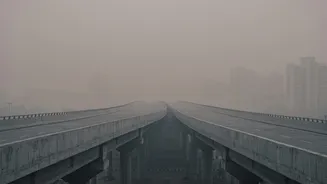
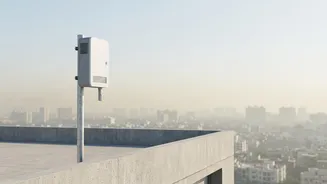
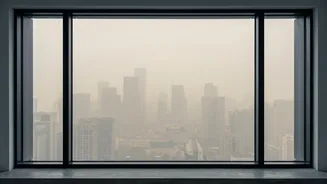
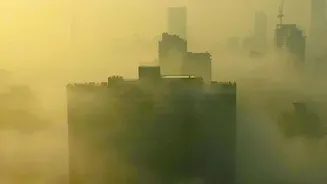
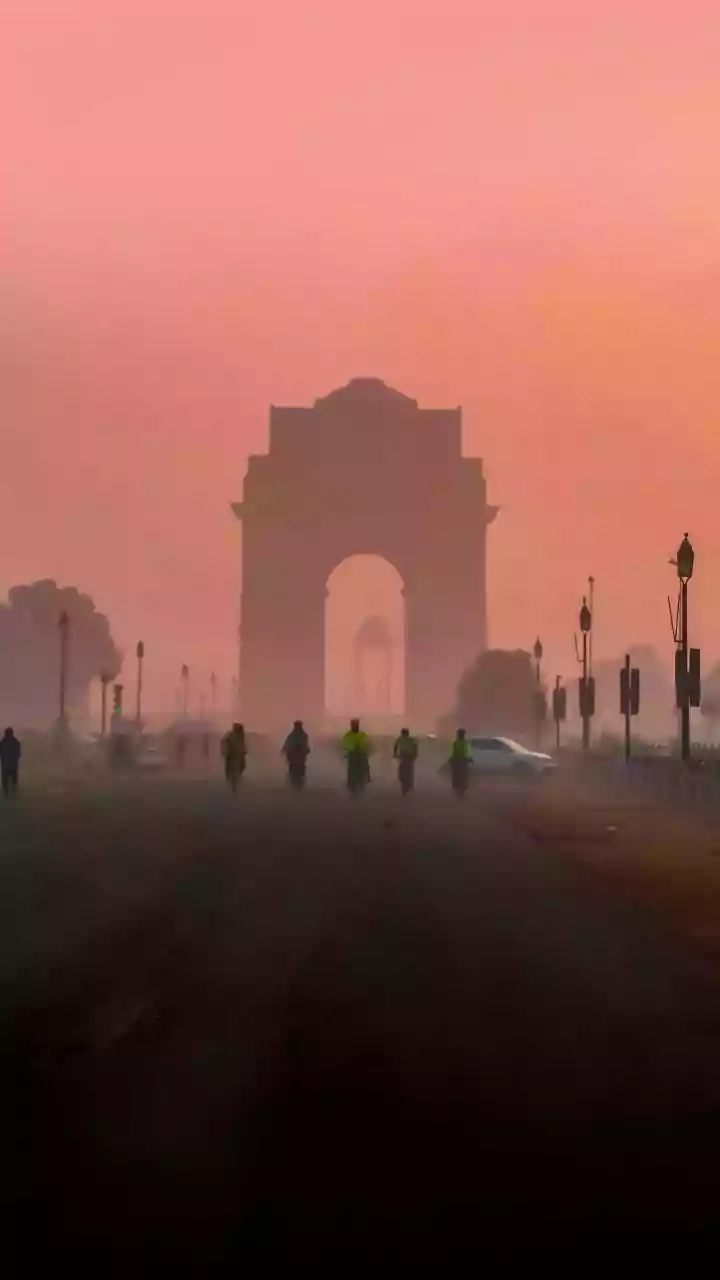
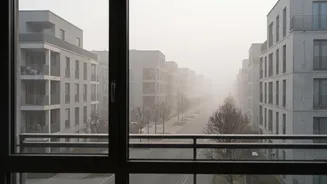
The first week of October 2026 has seen Delhi record its most polluted air for this period in three years. The average Air Quality Index (AQI) settled at 171, a significant figure that places the air in the 'moderate' category. While not yet 'severe',
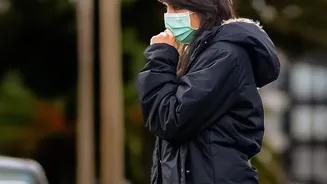
this reading indicates breathing discomfort for people with lung, asthma, and heart diseases. On October 4, the AQI touched a season-high of 187, the worst in nearly three months, with some areas like Mundka and Narela recording even higher, 'poor' category readings. This steady creep upwards signals the end of the clean air brought by the monsoon and the start of a more hazardous season. Forecasters predict the air quality will likely remain in the 'moderate' to 'poor' range in the coming days.
Why Slower Winds Worsen Pollution
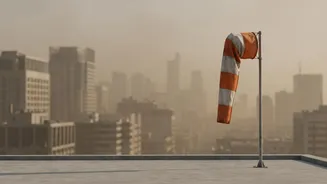
The primary driver of this seasonal shift is meteorology. During the monsoon, strong winds and rain wash away and disperse pollutants. However, as the monsoon retreats, wind speeds drop significantly. Prevailing wind speeds of less than 10 kmph are considered unfavourable for pollutant dispersion. This calmness, combined with a phenomenon called temperature inversion where a layer of warm air traps cooler, denser air near the ground, acts like a lid over the city. Instead of being blown away, pollutants from various sources get trapped close to the ground, steadily accumulating and causing the AQI to rise. The region's geography, with the Himalayas acting as a barrier, further prevents the trapped toxic air from escaping.
The Role of Stubble Burning
Coinciding with the slowing winds is the start of the crop residue burning season in the neighbouring states of Punjab, Haryana, and Uttar Pradesh. Farmers burn paddy stubble to quickly clear their fields for the next crop. While data from early October 2026 shows that the number of farm fires in Punjab is the lowest in seven years for this period, incidents are still being recorded. As of October 6, 2026, a total of 287 crop residue burning incidents were observed across seven states since mid-September, with Madhya Pradesh surprisingly leading the count. Smoke from these fires travels towards the Indo-Gangetic plain and gets trapped over Delhi-NCR by the same weather conditions, contributing significantly to the PM2.5 load, especially on peak days.
Local Pollutants: The Constant Contributors
While farm fires are a major seasonal factor, local pollution sources are the year-round foundation of Delhi's poor air. These include emissions from the millions of vehicles on the road, dust from widespread construction activities, and industrial pollution. Together, these local sources are responsible for a substantial portion of the city's air pollution. The slowing winds mean that these locally generated pollutants, which might otherwise disperse, are now staying put. This explains why even before the peak of stubble burning, the city's air quality has already begun to degrade, pushed by its own constant emissions.
What Happens Next? The Graded Response Action Plan
To combat the predictable winter pollution, authorities implement the Graded Response Action Plan (GRAP). This year, the Commission for Air Quality Management (CAQM) has revised the rules, making them stricter and triggering certain actions earlier. The plan has four stages that correspond to worsening AQI levels. Stage I, which is enacted when the AQI is 'poor' (201-300), now includes restrictions on certain inter-state buses that are not CNG, electric, or BS-VI compliant. As the AQI deteriorates further into 'very poor' (Stage III), stricter measures like a ban on BS-III petrol and BS-IV diesel cars in Delhi and several NCR districts will be enforced. Flying squads have also been deployed in Punjab and Haryana to monitor and prevent stubble burning incidents on the ground.