



Meet the Contenders: A Tale of Two Grains
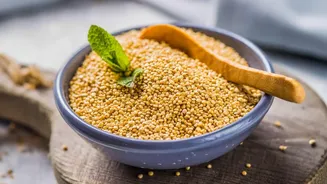
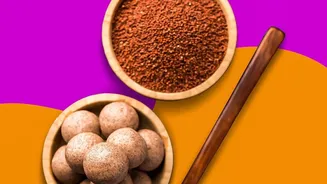
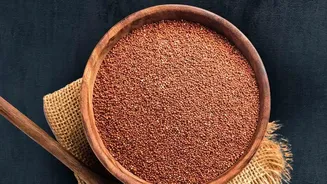
Ragi, also known as finger millet, is a humble but mighty grain that has been a cornerstone of Indian cuisine, especially in the southern states, for thousands of years. It's known for its resilience in harsh weather and its deep, nutty flavour, often
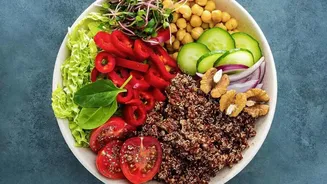
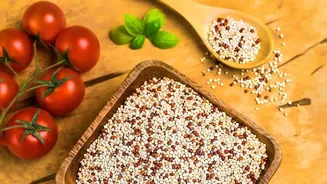
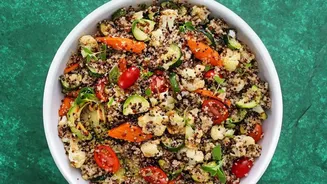
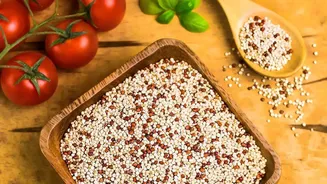
prepared as porridge, roti, or dosa. Quinoa (pronounced 'keen-wah'), on the other hand, is a relative newcomer to many Indian households. Hailing from the Andean regions of South America, this seed, which is consumed like a grain, has earned global fame as a 'superfood' due to its impressive nutritional profile.
The Protein Power Play
When it comes to protein, quinoa takes a clear lead. Per 100 grams, uncooked quinoa contains about 13-14 grams of protein, while ragi offers around 7-8 grams. More importantly, quinoa is considered a 'complete protein', meaning it provides all nine essential amino acids that our bodies cannot produce on their own. This is rare for a plant-based food. Ragi, while still a good source of protein, is not complete on its own and is traditionally paired with lentils or dairy to provide a full amino acid profile. For those focused on muscle repair and maximising protein intake, quinoa has a distinct advantage.
Fibre: The Fullness Factor
Dietary fibre is crucial for good digestion, stable blood sugar levels, and feeling full for longer. Here, the competition is much closer, with some data suggesting quinoa has a slight edge while other sources favour ragi. One analysis shows quinoa providing nearly 15 grams of fibre per 100g, compared to ragi's 11 grams. However, other sources state ragi has higher fibre content. Both are excellent sources of fibre and are beneficial for digestive health and weight management. Their high fibre content also contributes to a lower glycemic index, making them good choices for managing blood sugar levels.
The Mineral Showdown: Calcium vs. Iron
This is where the comparison gets really interesting and ragi truly shines. Ragi is a calcium powerhouse. Per 100 grams, ragi contains a massive 344-364 mg of calcium, which is significantly more than most other cereals. In comparison, quinoa provides around 198 mg, which is still good, but ragi is the clear winner for bone health. However, quinoa fights back when it comes to iron. It contains roughly 7.5 mg of iron per 100g, while ragi has about 4.6 mg. Considering iron deficiency is a widespread concern in India, quinoa's contribution is significant. Ragi also scores higher on magnesium content, while quinoa leads in zinc and potassium.
The Practical Choice: Cost and Culinary Use
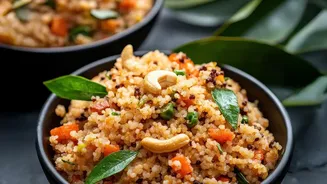
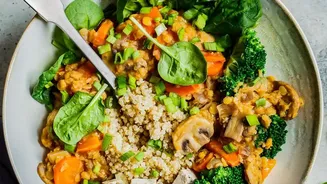
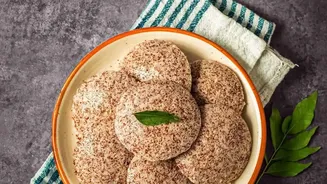
Beyond the nutritional numbers lies the reality of daily use. Ragi is a locally grown crop, making it significantly more affordable and accessible across India than imported quinoa. The cost difference can be substantial for families consuming grains daily. Culinarily, ragi is deeply integrated into Indian cooking, used for everything from ragi mudde and rotis to malted drinks. Quinoa has a mild, versatile flavour but a texture that can be unfamiliar. It works well in salads, bowls, and as a substitute for rice, but may require more adjustment for traditional Indian palates.