



The Anatomy of a Snack Attack
That mid-afternoon or late-night craving for something savoury and crunchy is a near-universal experience. Often, we reach for what's most convenient: a small packet of potato chips. The combination of salt, fat, and a satisfying crunch is engineered
to be highly rewarding. Food scientists call this 'hyper-palatability'. It's a formula that activates pleasure centres in our brain, making it difficult to stop after just a few. But this instant gratification comes at a cost. The fleeting satisfaction from a bag of chips often leaves you feeling hungry again sooner than you'd like, sending you searching for another snack.
Chips: The Quick Hit and Fast Crash
A typical packet of potato chips is primarily made of thinly sliced potatoes fried in oil and loaded with salt. Nutritionally, this translates to a snack high in simple carbohydrates, unhealthy fats, and sodium, but low in protein and fibre. When you eat chips, the simple starches are quickly broken down into sugar, causing a rapid spike in your blood glucose levels. This gives you a brief burst of energy, but it's swiftly followed by a crash as your body releases insulin to manage the sugar overload. This sharp drop in blood sugar is what triggers renewed feelings of hunger and lethargy, creating a cycle of snacking and crashing.
Roasted Pulses: The Sustained Energy Champions
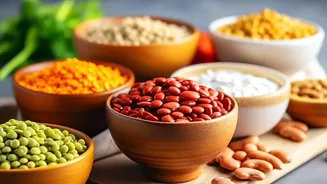
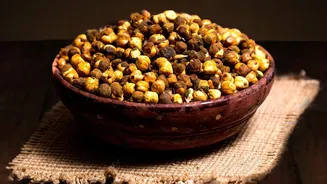
Now, let’s consider roasted pulses—think of the familiar and beloved bhuna chana (roasted chickpeas), or even roasted lentils and peas. These snacks are nutritional powerhouses. A serving of roasted chickpeas offers a formidable combination of plant-based protein, dietary fibre, and complex carbohydrates. Compared to an equal weight of potato chips, roasted chickpeas can have three times the protein and fibre, with significantly less fat. They also boast a low Glycemic Index (GI), a measure of how slowly a food raises blood sugar levels. This fundamental difference is the secret to their superior staying power.
The Science of Staying Full
The feeling of being full and satisfied after eating is called satiety, and this is where pulses truly outshine chips. The magic lies in their protein and fibre content. Protein works to reduce the levels of hunger hormones in your body, sending signals to your brain that you are full. Simultaneously, the high fibre content slows down digestion. It forms a gel-like substance in your digestive tract, which means the energy from the complex carbs is released slowly and steadily over a longer period. This one-two punch of protein and fibre prevents the dramatic blood sugar spikes and crashes associated with chips, providing you with stable, lasting energy that keeps hunger at bay for hours.
More Than Just Fullness: Other Health Perks
The benefits of switching to roasted pulses extend far beyond just curbing your hunger. They are packed with essential minerals that are often lacking in processed snacks. Roasted chana, for example, is a good source of iron to fight fatigue, magnesium for muscle and nerve function, and folate. The dietary fibre is not only great for satiety but also supports a healthy digestive system and can help manage cholesterol levels, contributing to better heart health. By choosing roasted pulses, you're not just picking a more filling snack; you're picking a more nutritious one that supports your overall well-being.
Making the Smart Switch
Integrating roasted pulses into your snacking routine is simple. In India, roasted chana is readily available from street vendors and in packaged form at local stores. They are a perfect, portable snack for work, travel, or an evening bite. For a homemade touch, you can easily roast your own chickpeas at home. Simply toss canned or soaked chickpeas with a little oil and your favourite spices—like chaat masala, paprika, or just salt and pepper—and bake until crunchy. This way, you have complete control over the salt and oil content, making it an even healthier option.