



An Ancient Craft's Modern Revival
Gilding, the process of applying fine metal leaf like gold or silver to surfaces, has a history stretching back thousands of years to ancient Egypt, where it was associated with divinity and power. For centuries, it has been used to add value and light
to everything from religious icons to illuminated manuscripts. But far from being a lost art, gilding is finding new life. Contemporary artists and designers are drawn to its unique ability to play with light in a way that paint simply cannot. A gilded surface isn't flat; it reflects light from countless tiny angles, creating a dynamic, living finish that shifts as the viewer moves. This quality, combined with modern adhesives and techniques, allows artisans to apply leaf to a huge variety of surfaces, from canvas and furniture to architectural elements and glass.
The Bold Statement
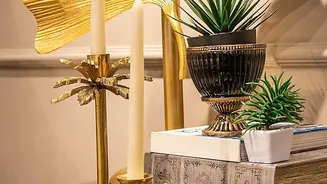
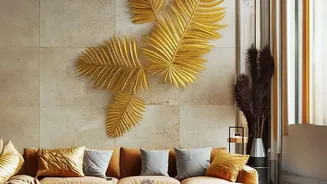
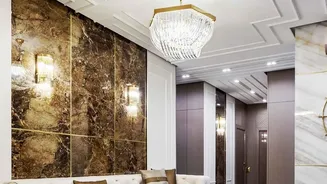
When contemporary gilding wants to make an impact, it goes bold. This approach uses gilding not as a minor detail but as the main event. Think of entire focal walls, large-scale canvases, or statement furniture pieces covered in gold leaf. This application creates a sense of opulence and drama, turning an ordinary object or surface into a stunning centerpiece. Designers use bold gilding to infuse a space with warmth, grandeur, and a touch of modern luxury. For instance, a gilded ceiling can give a dining room a rich, lustrous glow, while gilded cabinet doors can transform a simple foyer into something special. In art, this approach was pioneered by artists like Gustav Klimt, who used gold leaf as a primary pictorial element rather than just a background, a practice that continues in contemporary mixed-media art.
The Art of Subtlety
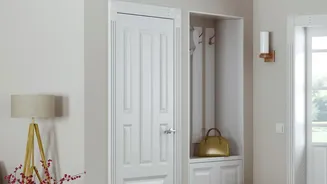
Gilding doesn't always have to shout. Some of its most effective contemporary applications are incredibly subtle. This is where gilding is used to add a quiet glint of sophistication, catching the light in unexpected ways. Imagine the gilded edge of a tabletop, the fine lines of a pattern on a wall, or a delicate shimmer inside a lampshade. These small touches can elevate a design without overwhelming it. Artists might use subtle gilding to highlight specific features in a painting, drawing the viewer's eye and adding depth. In interior design, a gilded door frame can highlight an architectural feature that might otherwise go unnoticed. This restrained use of gold leaf adds a layer of refinement and luxury that feels both modern and timeless, proving that sometimes the smallest details make the biggest difference.
The Beauty of Imperfection
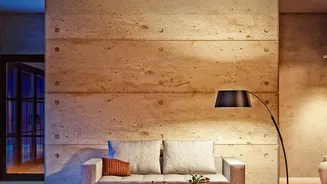
Perhaps one of the most interesting trends in modern gilding is the embrace of a deliberately weathered or distressed look. Rather than aiming for a perfect, mirror-like finish, artisans intentionally create a surface with texture, patina, and a sense of history. This can be achieved through various techniques, such as rubbing or abrading the leaf to reveal hints of the colour underneath, or applying glazes or chemicals to create an aged effect. This weathered aesthetic adds character and soul to a piece, suggesting a story and moving away from sterile perfection. It creates a rich, tactile surface that invites you to look closer. A distressed gilded finish can make a new piece of furniture feel like a cherished heirloom or give a modern space a welcome touch of rustic texture and complexity.