

The Permit Puzzle: Booking Your Safari
Securing a safari permit is the first and most critical step. India's national parks have a regulated permit system to manage tourism and protect wildlife. However, there is no single, nationwide booking platform. Each state’s forest department manages
its own system, leading to different rules and booking windows. For tiger reserves in Madhya Pradesh like Bandhavgarh and Kanha, permits become available 120 days in advance and are often sold out within minutes for popular zones. In contrast, Rajasthan's Ranthambore National Park releases permits in batches for specific periods, for instance, opening bookings for the winter season all at once. Corbett National Park in Uttarakhand has its own set of rules, with booking windows opening just 45 days in advance for most zones. Foreign nationals may also face different quotas or booking procedures, such as a 90-day window for certain stays in Corbett. It's crucial to identify your target park, find its official government booking portal, and be ready to book the day permits are released.
Core vs. Buffer: Understanding Safari Zones
Most major reserves are divided into core and buffer zones, and your permit will be for a specific zone. Core areas are the most protected parts of the forest, where tourism is strictly regulated. Buffer zones surround the core and can also offer excellent wildlife sightings. Don't assume a core zone permit guarantees a better experience. Animals move freely across these man-made boundaries. In Ranthambore, zones 1-5 are the core areas and are highly sought after, while zones 6-10 are buffer areas that remain open even during the monsoon. In Bandhavgarh, the Tala zone is famously popular, but the Magadhi and Khitauli core zones, as well as buffer areas, also provide rich wildlife viewing. Kaziranga in Assam is divided into ranges like the Central (Kohora) and Western (Bagori), both excellent for rhino sightings, while the Eastern (Agaratoli) is prized for birdwatching. Your choice of zone should depend on the wildlife you hope to see and the time of year you visit.
Vehicle Types and Group Sizes
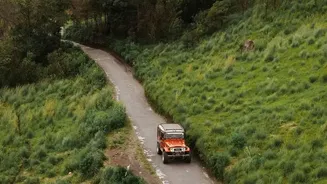
The type of vehicle used for a safari also varies. The most common is the open-top Maruti Gypsy, which typically seats up to six visitors plus a driver and a mandatory guide. Many parks, like Ranthambore and Corbett, also offer Canter safaris. These are larger, open-sided buses that can accommodate 16-20 people, making them a more budget-friendly option, especially for larger groups or last-minute bookings when jeeps are unavailable. In some specific zones, like the popular Dhikala zone in Corbett, canters are the primary mode of transport for day visitors. You can book a single seat on a sharing basis or an entire vehicle for your private group. Booking an entire vehicle, while more expensive, offers greater flexibility for photographers and those who want a more personal experience.
On the Trail: Rules of Responsible Conduct
Once inside the park, behaviour is paramount. While the general principles of responsible tourism are universal, specific rules can differ. The most important rule is to maintain a respectful distance from wildlife and never pressure your guide or driver to get closer for a photograph. Using flash photography is strictly forbidden, as are loud noises, sudden movements, and getting out of the vehicle. Do not feed any animals, as this can alter their natural behaviour and create dependency. Some reserves have stricter rules than others regarding mobile phone use and designated break spots. Always follow your guide's instructions; they are trained to interpret animal behaviour and ensure both your safety and the well-being of the wildlife. The goal of a safari is to observe animals in their natural habitat with minimal disturbance.