




The Power of High-Impact Repetition
Skipping rope is a form of plyometric exercise, which involves rapid, explosive movements. Often called 'jump training', plyometrics train your muscles to exert maximum force in the shortest amount of time. When you skip, your lower legs, particularly
your calves, are in a constant state of rapid contraction and relaxation. This constant bouncing on the balls of your feet lengthens and shortens the calf muscles, specifically the gastrocnemius and soleus, creating a unique stress that forces them to adapt and grow stronger. This repetitive, high-impact motion is incredibly effective at building both muscular endurance and explosive power, leading to legs that can perform stronger for longer.
Yoga's Method: Strength and Stability
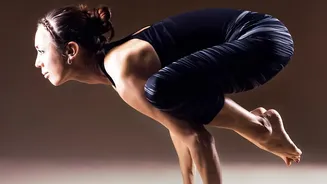
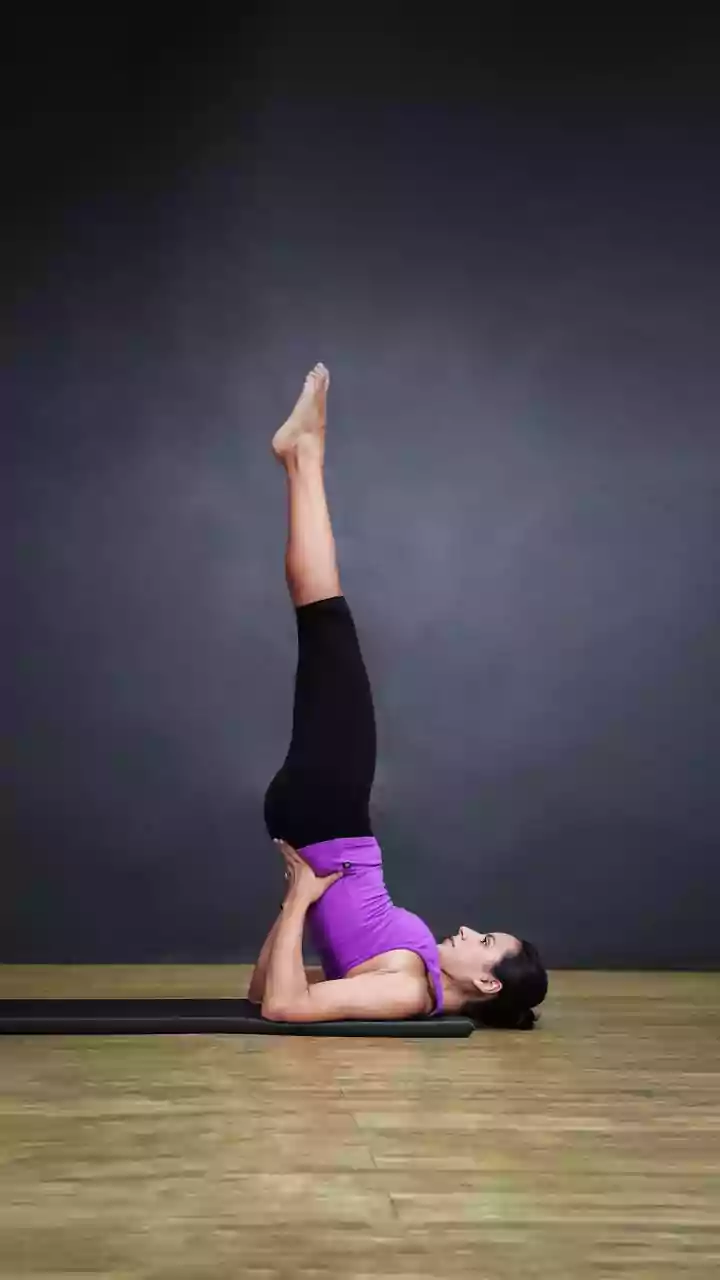
A traditional yoga flow, like a Vinyasa class, builds stamina in a fundamentally different way. Instead of quick, explosive movements, yoga relies on flowing between sustained poses and isometric holds. Postures like Warrior II, Chair Pose, and various lunges challenge the endurance and stability of the lower body. This approach builds strength by increasing the muscle's 'time under tension'. Holding a deep lunge, for instance, forces the quads, glutes, and calves to work continuously to maintain the position. This is excellent for building foundational strength, improving balance, and increasing flexibility, all of which contribute to overall leg function and injury prevention.
The Verdict: Speed vs. Synergy
So, which is faster for building lower leg stamina? For the specific goal of rapidly increasing the ability of your lower legs to produce powerful, repetitive movements, skipping rope has the clear advantage. The high-intensity, plyometric nature of skipping directly targets the fast-twitch muscle fibers responsible for speed and power, conditioning your calves and supporting muscles more quickly than the slower, controlled movements of yoga. Studies have shown that even short, consistent sessions of jumping rope can significantly improve explosive strength. While yoga builds incredible muscular endurance and stability over time, the process is generally more gradual. The constant motion and cardiovascular demand of skipping simply provide a more intense and direct stimulus for the kind of stamina needed in activities like running or sports.
Why Not Both? Creating a Balanced Routine
Declaring skipping the 'winner' for speed doesn't mean yoga should be cast aside. In fact, the two disciplines are highly complementary. The high-impact nature of skipping, while effective, puts stress on joints and can lead to tightness in the calves and Achilles tendons. Yoga is the perfect antidote. It serves as an excellent active recovery tool, increasing flexibility, improving range of motion, and releasing muscle tension built up during more intense workouts. A balanced fitness regimen could involve using skipping for high-intensity cardio and power-building sessions two to three times a week, while incorporating yoga on other days to enhance flexibility, core strength, and mental focus. This combination allows you to build explosive stamina quickly while also protecting your body and improving overall functional fitness.