
The Ultimate Escape Plan
The single most important promise of a crewed mission is astronaut safety. The most dangerous phase of any spaceflight is the launch, when the rocket is a controlled explosion pushing against gravity. This is why the Crew Escape System (CES) is paramount.
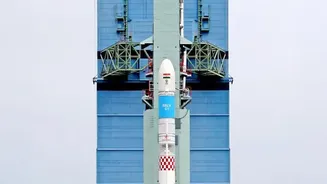
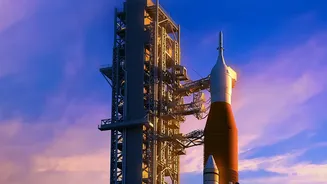
It’s a powerful set of quick-acting rocket motors fixed atop the crew capsule. If anything goes wrong on the launchpad or during ascent, the CES must fire instantly, pulling the module with the astronauts safely away from the failing launch vehicle. ISRO has performed several successful tests of this system, including a Pad Abort Test to simulate an emergency on the ground and an in-flight abort test (TV-D1) to prove it works under real flight conditions. These demonstrations show that no matter what happens to the rocket, the crew has a viable escape route.
Earning the 'Human-Rated' Badge
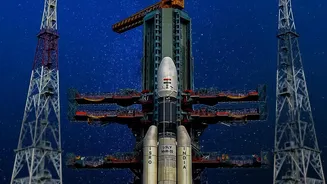
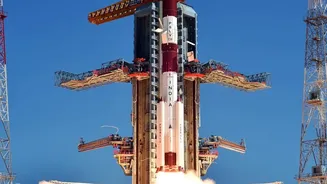
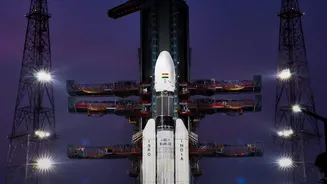
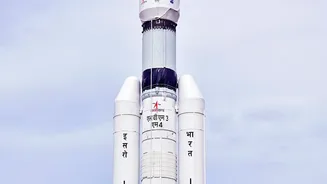
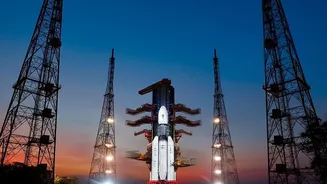
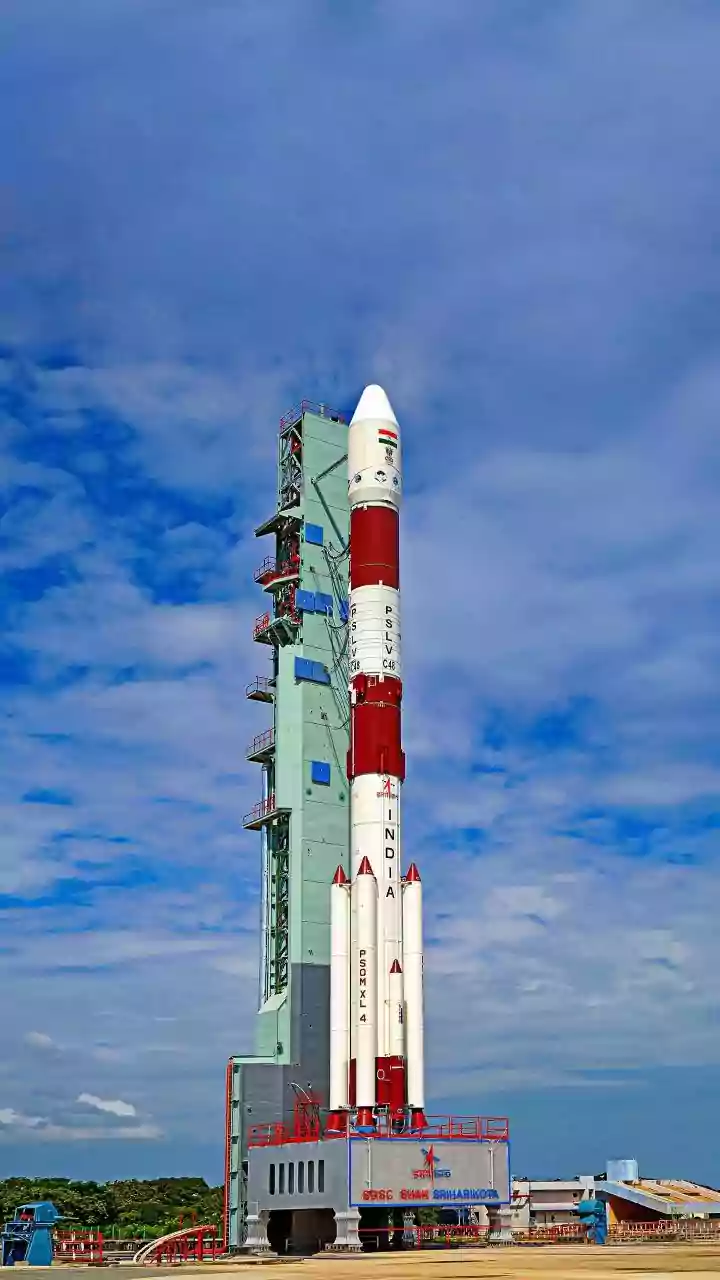
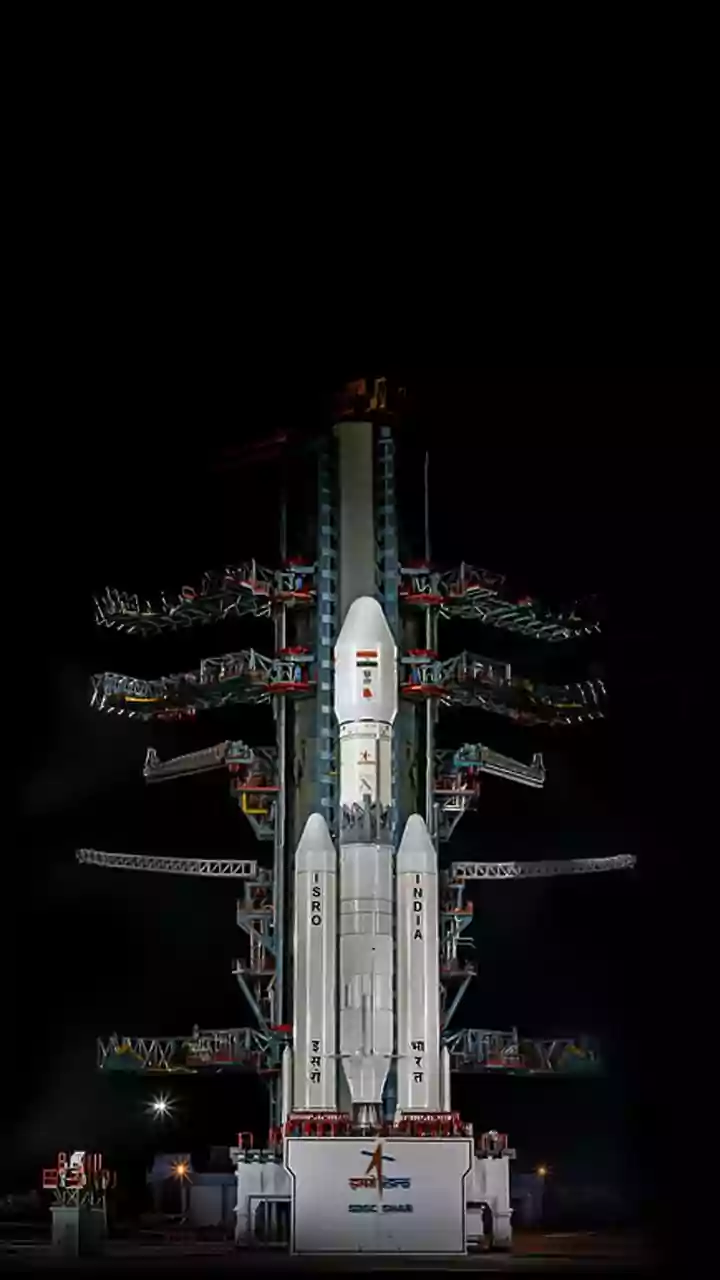
Not every rocket can carry people. The LVM3, ISRO's heavy-lift launcher, is reliable for satellites but needs significant upgrades for Gaganyaan. This certification process is called 'human-rating'. It involves re-engineering the rocket to be far more reliable than its uncrewed counterpart. Human-rating means adding redundant systems, so if one component fails, a backup is ready to take over. It also requires strengthening structures and exhaustively testing every part—from propulsion stages to electronics—to ensure they can withstand the intense stresses of launch with near-perfect reliability. The goal is to minimize the risk to the crew to an acceptable level, transforming a workhorse rocket into a trusted vehicle for astronauts. ISRO has been systematically testing and qualifying the solid, liquid, and cryogenic stages of the newly christened Human-Rated LVM3 (HLVM3).
A Full Dress Rehearsal in Space
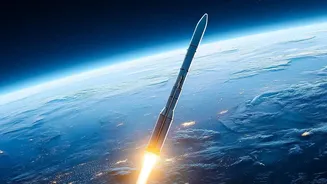
Before humans climb aboard, ISRO must prove the entire mission profile works from end to end. This will be done through a series of uncrewed test flights. The first of these, scheduled for late 2026, will be a comprehensive dress rehearsal. The HLVM3 rocket will launch the Gaganyaan orbital module into a 400 km low Earth orbit. Instead of astronauts, the capsule will carry a humanoid robot named Vyommitra, who will simulate human functions and monitor the cabin environment. These uncrewed missions will test everything: the launch, the performance of the life support systems, orbital manoeuvres, the fiery re-entry through Earth's atmosphere, and the final splashdown and recovery. At least two uncrewed orbital flights are planned to ensure every system is validated in the actual environment of space before a crew is committed.
The Journey Home: Splashdown and Recovery
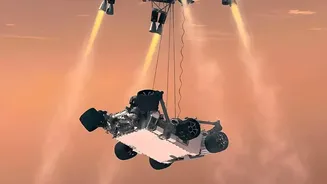
Getting to space is only half the mission; getting back safely is just as critical. The crew module must survive re-entry, deploy its parachutes to slow down, and splash down in the ocean. ISRO has conducted multiple tests to perfect this sequence. Integrated Air Drop Tests, using an Air Force Chinook helicopter, have dropped a simulated crew module from an altitude of several kilometres to validate the parachute system's performance. Furthermore, ground-based qualification tests have confirmed the structural integrity of the module and the flawless separation of components like the apex cover, which protects the parachutes. Another vital test validated the Crew Module Up-righting System (CMUS), an inflatable flotation system that ensures the capsule flips to the correct orientation after it splashes into the sea, which is crucial for the safety of the astronauts inside until recovery teams arrive.