




The Pre-Dawn Sargi
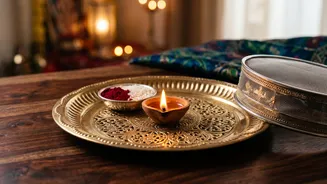
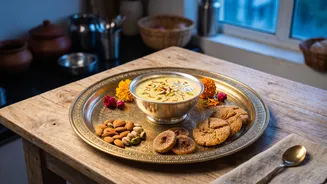
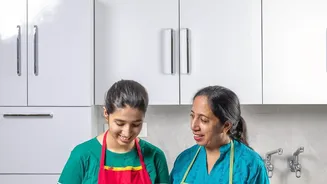
The day begins before sunrise with a special meal known as 'sargi'. Traditionally, this is a thali of food and gifts prepared by a mother-in-law for her daughter-in-law. It’s a moment of inter-generational bonding and care. The meal is thoughtfully assembled
to provide energy for the day-long fast ahead. It typically includes fruits, sweets, dry fruits, and light, savoury items like mathri. This pre-dawn meal is the only sustenance women will have until the moon is sighted at night, making it both a practical and symbolic start to their day of devotion.
A Day of Nirjala Vrat
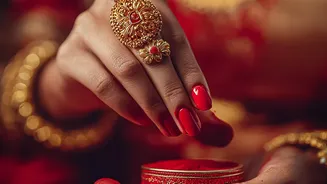
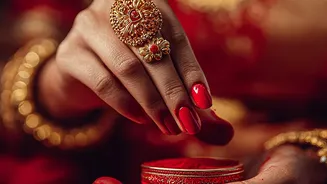
The heart of Karwa Chauth is the 'nirjala vrat', a strict fast observed from sunrise to moonrise without consuming any food or even a drop of water. This act of abstinence is a prayer for the health, prosperity, and long life of one’s husband. While rooted in ancient stories of wives praying for their husbands who were away at war, the fast has evolved into a modern celebration of partnership and marital bonds. Many women spend the day in festive preparation, applying henna (mehndi), dressing in bridal colours, and connecting with friends and family who are also observing the fast.
The Evening Puja and Katha
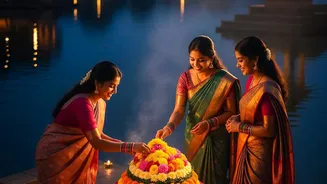
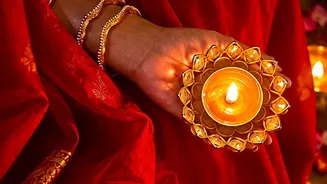
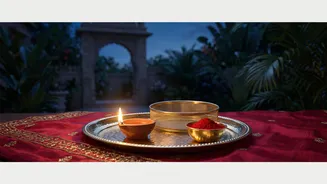
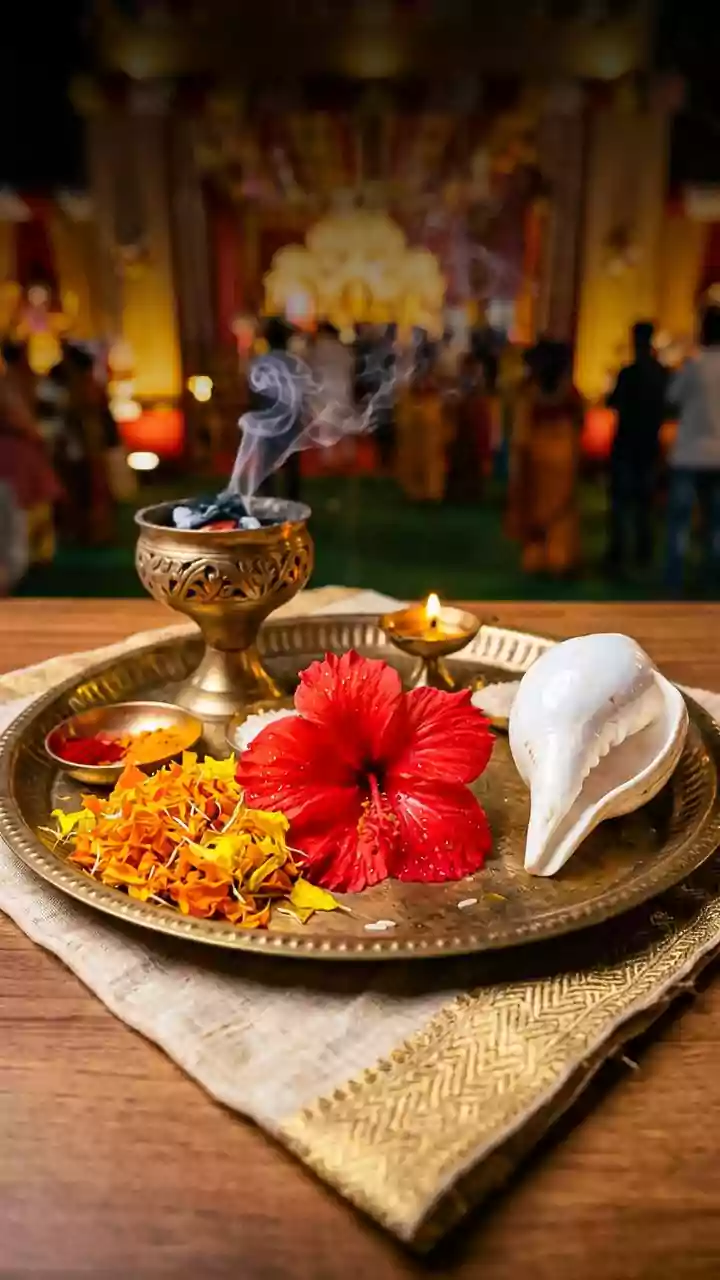
As dusk approaches, women gather, often in a group, to perform the evening puja. Dressed in beautiful traditional attire, they sit in a circle with their decorated puja thalis. An essential part of this ritual is the narration of the Karwa Chauth 'katha' or story. An older woman in the group usually recites the tale, which often centers on the legend of the devoted Queen Veeravati. According to the story, her brothers tricked her into breaking her fast early, which led to her husband's demise. Her penance and devotion eventually brought him back to life, a story that underscores the importance of completing the fast with sincerity.
The Patient Wait for the Moon
After the evening puja, the most anticipated part of the day begins: the wait for the moon. The moonrise holds immense significance as it signals the end of the fast. It is considered a celestial witness to the woman's devotion and love. In homes and on terraces, families gather to scan the night sky. There's a palpable sense of excitement and relief as the first glimpse of the moon appears. The timing of the moonrise varies by location, and it's a moment shared by communities across the country.
The Sieve and The Ritual of Breaking Fast
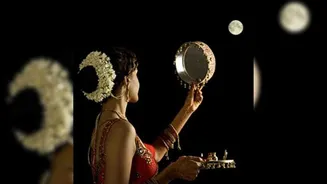
The ritual for breaking the fast is visually striking. The woman first views the moon through a sieve, or 'chhalni'. She then turns to look at her husband's face through the same sieve. This tradition is linked to the story of Veeravati, serving as a reminder to ensure it is the real moon and not a deception. Symbolically, the sieve is believed to filter out negativity, allowing only the pure, positive blessings of the moon to be seen. After offering water ('arghya') to the moon, the husband offers his wife her first sip of water and first bite of food, bringing the day-long fast to a loving and gentle conclusion.