

Beyond the Familiar Farm
For years, the gold standard for conscious dining was 'farm-to-table', a movement celebrating fresh, locally sourced produce. Now, a growing number of Indian chefs are pushing the boundaries of local sourcing, venturing into the wild to forage for ingredients
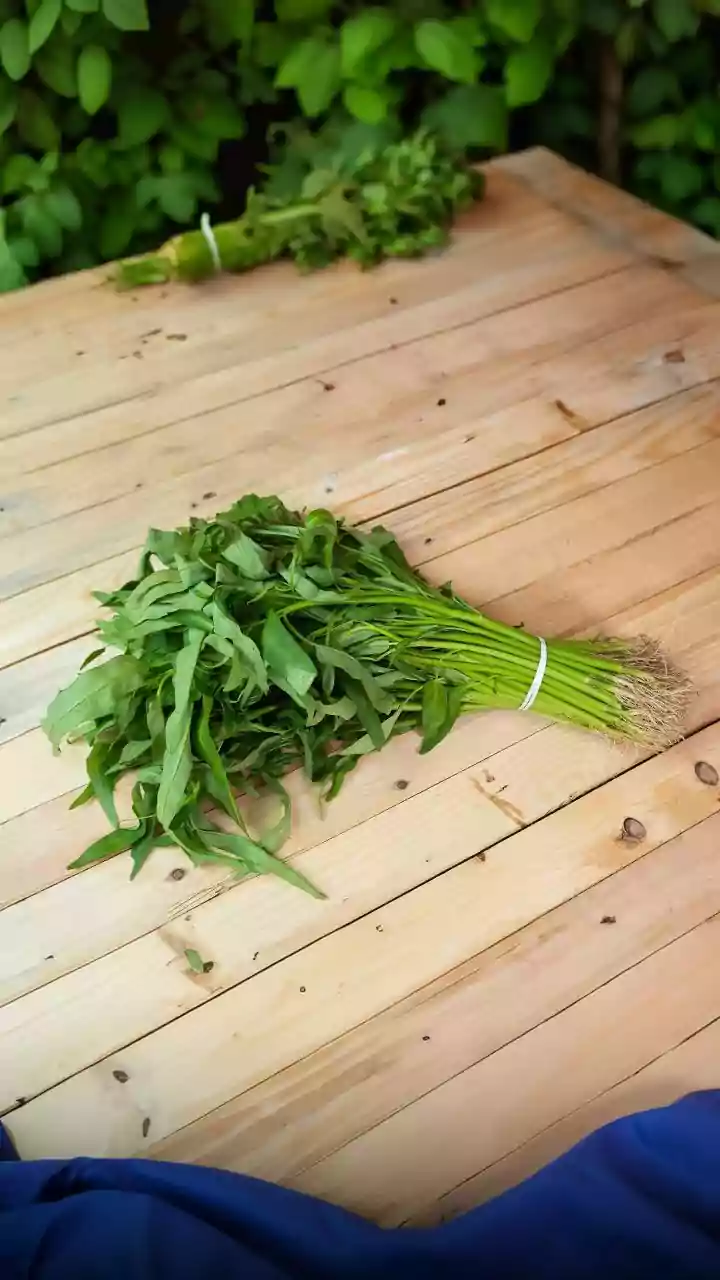
that offer a true taste of the region. This isn't just about finding wild mushrooms or berries; it's a deeper exploration of India's immense biodiversity. Ingredients once known only to indigenous communities are now finding their way onto fine-dining menus, creating dishes that are both innovative and deeply rooted in tradition. Think of crunchy tubers from Meghalaya, fragrant limes from Bengal, or seasonal wild greens that appear only during the monsoon in Maharashtra. This 'forest-to-table' movement represents a shift from simply using local ingredients to actively engaging with the ecosystems and knowledge systems that have sustained communities for centuries.
The Hunt for Unique Flavours
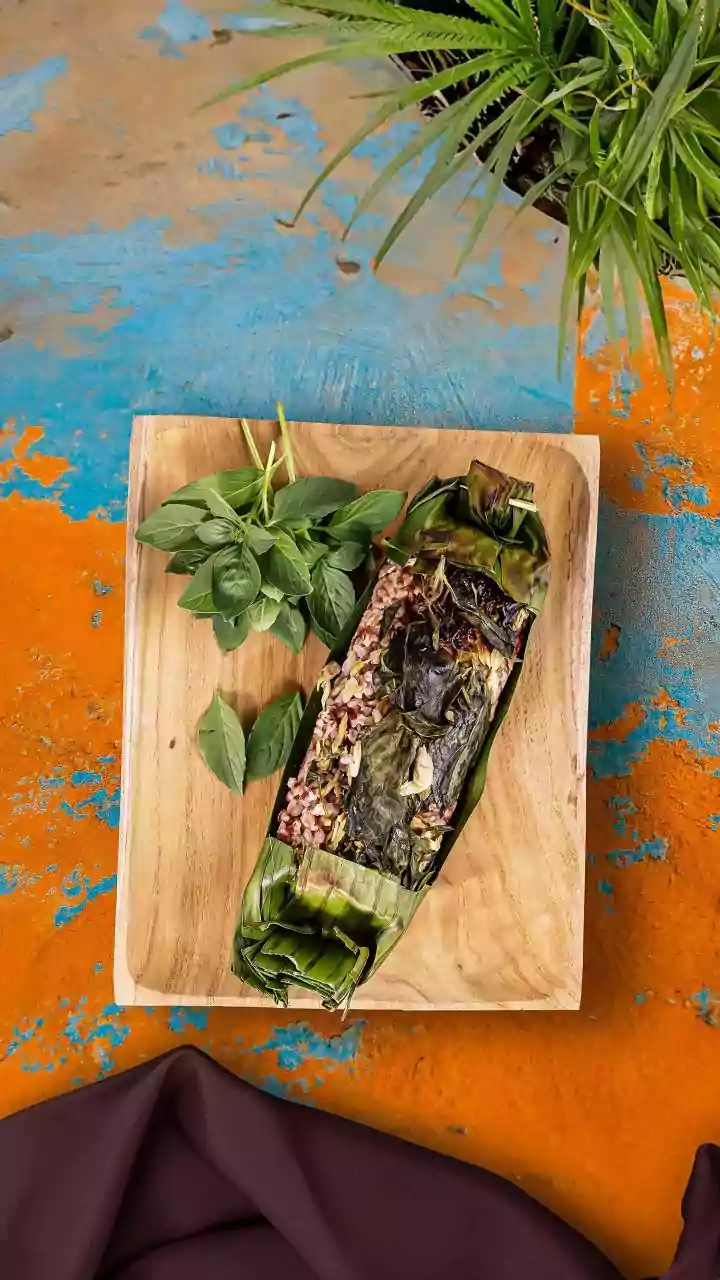
Several pioneering chefs and restaurants are at the forefront of this movement. At Naar in Himachal Pradesh, Chef Prateek Sadhu crafts menus around ingredients foraged from the Himalayan region, like seasonal berries and stinging nettles. Mumbai’s Masque, led by Chef Varun Totlani, is renowned for its ingredient-driven tasting menus, which have featured everything from foraged seaweed from Tamil Nadu to red amaranth from Pune. Similarly, Chef Vanika Choudhary of Noon in Mumbai specialises in showcasing ingredients from Ladakh and Jammu & Kashmir, using techniques like fermentation to preserve and enhance these unique flavours. In Odisha, menus are being built around the local forests, featuring dishes with foraged greens and river fish cooked in sal leaves, a traditional technique that imparts a smoky flavour. These chefs aren't just cooking; they are culinary storytellers, introducing diners to the flavours of Sohphlang, a nutty tuber, or Mahua, a naturally sweet flower from Central India.
A Taste of Tradition
The most significant aspect of this trend is the connection it forges with regional and indigenous knowledge. Foraging isn't new; it has been a way of life for tribal communities across India for generations. These communities possess a deep understanding of the land, knowing which plants are edible, when to harvest them, and how to prepare them. Chefs are now collaborating with these communities, not just to source ingredients but to learn from their wisdom. Chef Radhika Khandelwal of Fig & Maple speaks of learning from those who have an inherent understanding of wild ingredients that have never made it into mainstream culinary spaces. This collaboration is a two-way street. It provides chefs with unparalleled ingredients and stories, while also creating economic opportunities for local foragers and farmers, helping to preserve their traditions.
The Roots of the Movement
So, why is this happening now? The trend is driven by a confluence of factors. On one hand, diners are increasingly curious about the origins of their food and are seeking authentic, unique experiences that go beyond standardised menus. On the other, chefs are searching for a distinct culinary identity, moving away from imported luxury items like truffle oil to celebrate the incredible diversity of produce available in their own backyards. Sustainability is another major driver. Using wild, seasonal ingredients often means a lower environmental footprint. Furthermore, this movement is a conscious effort to preserve India's biodiversity and culinary heritage. By creating a market for these ingredients, chefs are helping to ensure that the knowledge associated with them is not lost.
Challenges and a Conscious Future
While exciting, the move towards foraged ingredients comes with responsibilities. The primary concern is sustainability. To prevent over-harvesting, chefs must work ethically, taking only what is abundant and ensuring that local ecosystems are not depleted. There is also the crucial issue of acknowledgment. It is important to give credit to the indigenous and local communities who have been the custodians of this knowledge for generations. The goal is not to commercialise and strip these resources, but to build respectful relationships that benefit both the restaurant and the community. As this trend evolves, the focus will likely remain on this delicate balance: celebrating the wild flavours of India while ensuring that the practice remains sustainable and respectful for generations to come.