




The New Frontier for Coffee
For years, the story of premium coffee in India was written in its metropolitan hubs. Chains like Blue Tokai, Third Wave Coffee, and even international giants like Starbucks focused on capturing the urban elite in Delhi, Mumbai, and Bengaluru. But the script
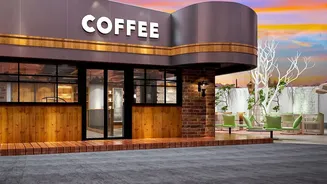
is changing. These brands are increasingly looking towards Tier-2 cities for their next phase of growth. Roastery Coffee House has opened large-format cafes in Jaipur and Lucknow, while brands like Nothing Before Coffee, founded in Jaipur, are expanding rapidly across similar markets. This strategic pivot isn't a random experiment; it's a calculated move based on clear economic and cultural signals that the heart of India's consumer market is shifting.
The Economic Brew: Why Now?
The primary driver is simple economics. Major metros are becoming saturated. Intense competition for a finite customer base compresses margins, while sky-high real estate costs make expansion incredibly expensive. In comparison, cities like Jaipur offer a significant cost advantage. Office rentals can be over 50% cheaper than in Tier-1 cities, and residential property is dramatically more affordable, which translates to lower operational costs for retail businesses as well. Simultaneously, these emerging cities are experiencing rapid economic growth, sometimes higher than the national average. A report highlighted that the affluent population in Tier-2 and Tier-3 cities grew significantly in recent years, creating a new, untapped base of consumers with disposable income.
A New, Aspirational Consumer
The demand is no longer just a metro phenomenon. Thanks to remote work, reverse migration post-pandemic, and digital connectivity, consumers in cities like Patna, Jaipur, and Coimbatore are more exposed to global trends than ever before. They are young, aspirational, and digitally native. This new consumer base is ready to trade up from instant coffee and seeks premium experiences. They are not just buying a beverage; they are buying into a lifestyle they've seen on social media. For many, especially college students and young professionals, the café has become a 'third place'—an aspirational space between home and work for socializing, working, and self-expression.
More Than Just a Cup
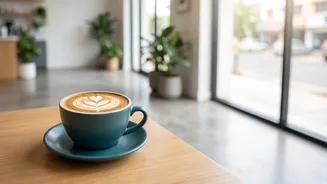
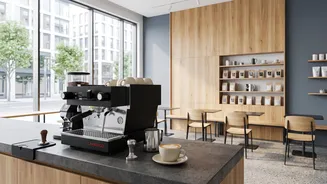
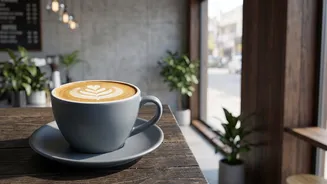
Specialty coffee chains understand they are selling an experience, not just a product. The appeal lies in the curated ambiance, the story of the single-origin beans, and the feeling of being part of a modern, global culture. Brands are succeeding by creating spaces that serve as community hubs. Roastery Coffee House, for example, focuses on large, hospitality-driven cafes without takeaway cups to encourage customers to linger. This focus on experience becomes a key differentiator in markets where consumers are looking for new forms of leisure and social signaling. These cafes provide a safe, accessible environment for young Indians to connect and participate in a cosmopolitan culture without leaving their hometowns.
The Road Ahead
The move into non-metro cities is not without challenges. These markets can be more price-sensitive, and brands must build trust and adapt their offerings to local tastes. However, the demand-supply gap currently favors the brands; in many of these cities, demand for premium experiences outstrips the available supply. This trend signifies more than just a business opportunity for coffee chains. It reflects a deeper structural shift in the Indian economy. As infrastructure improves and digital access becomes universal, the lines between metro and Tier-2 consumption patterns are blurring. The success of these coffee chains could pave the way for other premium and lifestyle brands to follow, further fueling the growth of India's next generation of cities.