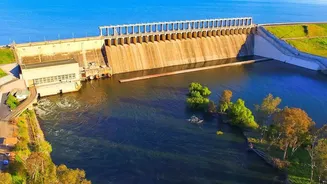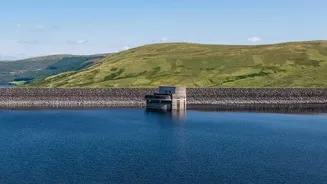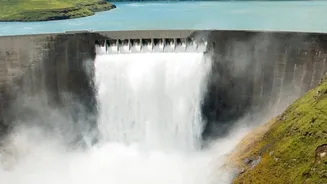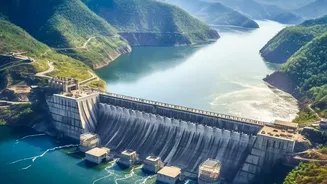





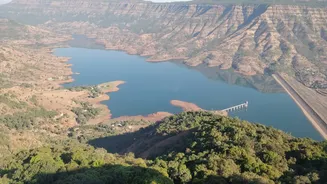
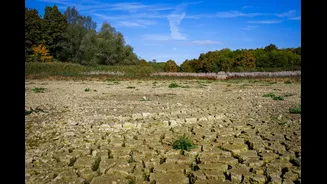
As the monsoon season officially concludes, India’s water lifeline—its vast network of reservoirs—is worryingly depleted. The country's 178 major reservoirs are collectively filled to just 71.84% of their capacity, a stark drop from last year.
The Numbers Behind the News
Data from
the Central Water Commission (CWC) paints a concerning picture for the country's water security heading into the dry season. The live storage available in 178 major reservoirs stands at 132.734 billion cubic metres (BCM). This figure is not only significantly lower than the 166.856 BCM recorded at the same time last year but also falls short of the ten-year average of 151.118 BCM. This deficit means there is less water available for the critical post-monsoon period, which supports everything from farming and hydropower generation to urban water supplies. The drop is not a sudden event but the result of a season-long trend that has seen reservoir levels consistently lagging.
A Subdued and Uneven Monsoon
The primary culprit behind the low water levels is the performance of the 2026 Southwest Monsoon. The season ended with a nationwide rainfall deficit of 12.6% below normal, making it one of the weakest monsoons in recent years. The rainfall distribution was also highly uneven. While the central region received near-normal rainfall, the southern peninsula recorded a much sharper deficit of 24%. East and northeast India also experienced a 25% rainfall shortfall. This erratic pattern meant that crucial catchment areas for many of the country’s largest reservoirs did not receive adequate replenishment, directly leading to the current storage deficit. The situation is further complicated by forecasts of a strengthening El Niño, which could lead to a drier and warmer winter, further straining water resources.
Regional Hotspots Face Mounting Pressure
The national average masks severe regional disparities. The southern region is the worst affected, with reservoir levels at just 50% of their total capacity, a steep fall from 87.25% during the same period last year. States like Karnataka, Andhra Pradesh, Telangana, and Tamil Nadu are facing a significant crunch. The situation is particularly concerning in the Cauvery basin, where deficient rainfall has intensified water stress and could fuel interstate tensions over water sharing. The northern region, covering Himachal Pradesh, Punjab, and Rajasthan, has also recorded storage levels well below last year and the long-term average. In contrast, the central region's reservoirs, despite being lower than last year, remain above their 10-year average storage levels thanks to relatively normal rainfall.
The Ripple Effect on Farms and Families
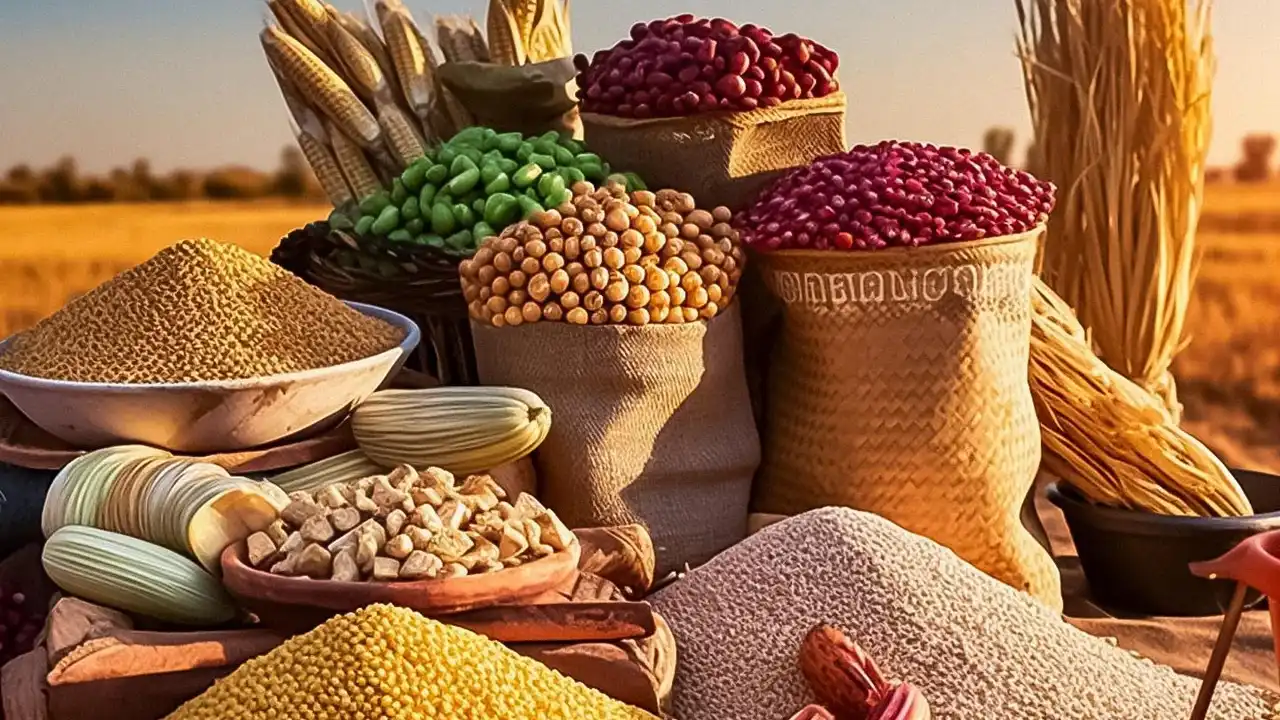
Lower reservoir levels have direct and far-reaching consequences. The most immediate concern is for the upcoming Rabi (winter) crop season. Farmers depend on reservoir releases for irrigation, and the reduced availability of water threatens the cultivation of essential crops like wheat, gram, and mustard. Several states, including Maharashtra and Karnataka, have already declared drought conditions in numerous districts. The government has advised farmers in water-stressed areas to opt for less water-intensive crops like pulses and oilseeds. Beyond agriculture, the deficit impacts hydropower generation, a crucial component of the country's energy mix. Urban centres may also face water rationing if storage does not improve, affecting drinking water supplies for millions.