


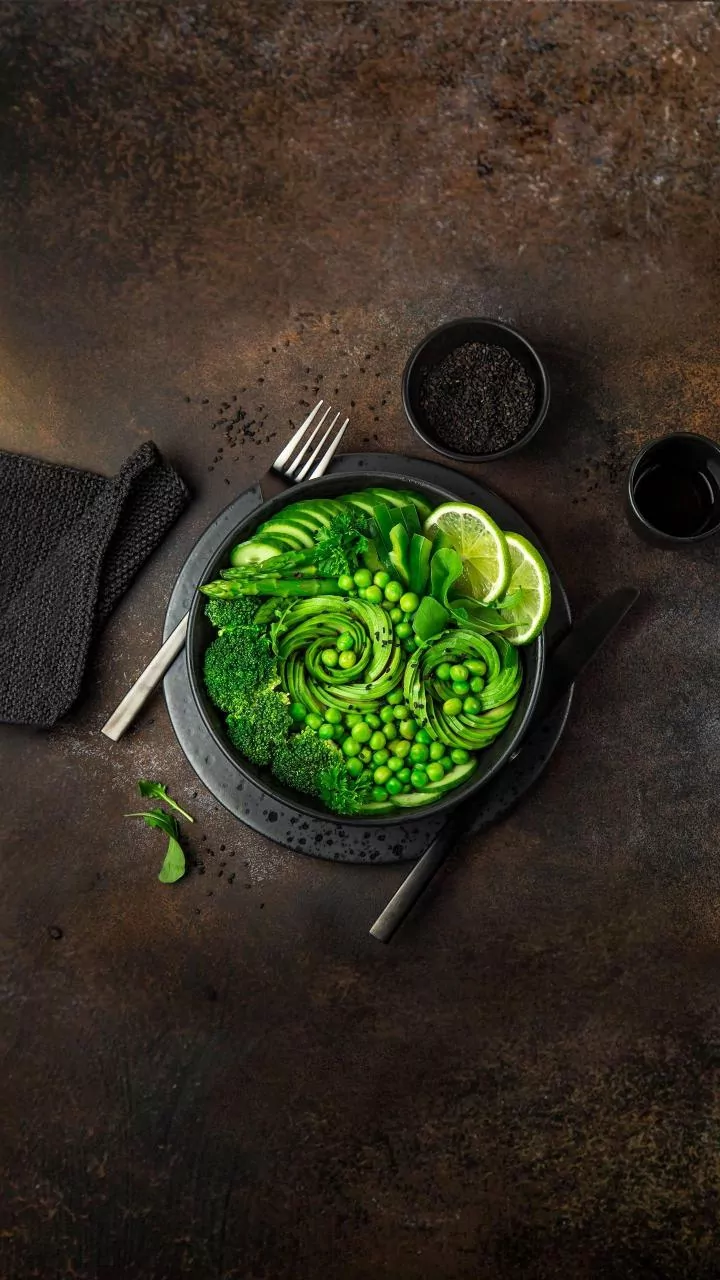



Leafy Greens: A Haven for Grime and Germs
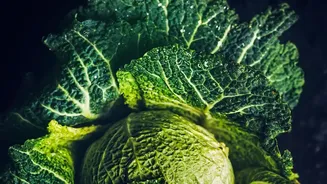
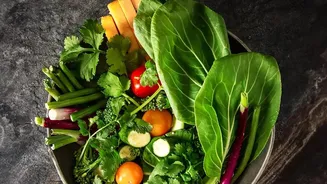
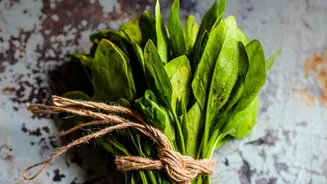
Spinach, cabbage, lettuce, and coriander are staples in many Indian kitchens, but they require the most care during the rainy season. Their layered leaves provide the perfect hiding spots for dirt, tiny insects, and microbes that thrive in the damp soil.
Contaminated rainwater and soil can easily transfer bacteria and fungi onto the leaves. Simply rinsing them isn't enough; even after washing, some germs can remain. To consume them safely, separate each leaf and wash it thoroughly under clean, running water. Soaking them for a few minutes in a bowl of water with a bit of salt or vinegar can help dislodge stubborn grime and pathogens. Most importantly, avoid eating leafy greens raw in salads and ensure they are cooked thoroughly before consumption to kill any harmful microorganisms.
Cruciferous Vegetables: The Hidden Pest Problem
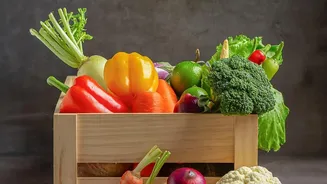
Vegetables like cauliflower and broccoli, with their tightly packed florets, present a unique challenge during the monsoon. These dense heads can easily trap moisture, mud, and small worms or insects that are difficult to spot and clean. The high humidity promotes the growth of mould deep within the florets, which may not be visible at first glance. Consuming these without proper disinfection can lead to digestive issues and stomach infections. Before cooking, it's a good practice to immerse cauliflower and broccoli heads in a bowl of warm salt water for about 15-20 minutes. This helps to draw out any hidden pests. Afterward, rinse them well under running water, inspect the florets closely, and cook them until tender.
Root Vegetables: Watch for Spoilage and Sprouts
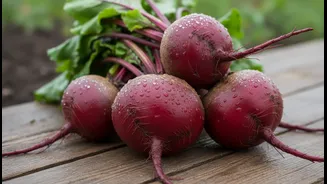
While generally hardier, root vegetables like potatoes, onions, and ginger are not immune to monsoon-related risks. They are harvested from the soil, which is often waterlogged and contaminated during this season. The excess moisture can accelerate spoilage, leading to the growth of fungus and bacteria. It is crucial to inspect them carefully before buying and cooking. Avoid any vegetables that appear overly wet, slimy, or have soft, mouldy spots. Another specific concern is with potatoes that have begun to sprout. Sprouted potatoes develop higher levels of a toxic compound called solanine, which can cause nausea and digestive discomfort if consumed. Always store root vegetables in a cool, dry place away from moisture and discard any that show signs of sprouting or decay.
Raw Salads and Soft-Skinned Produce: High Contamination Risk
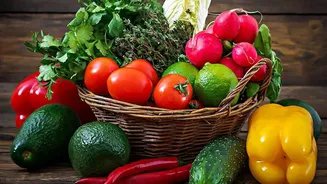
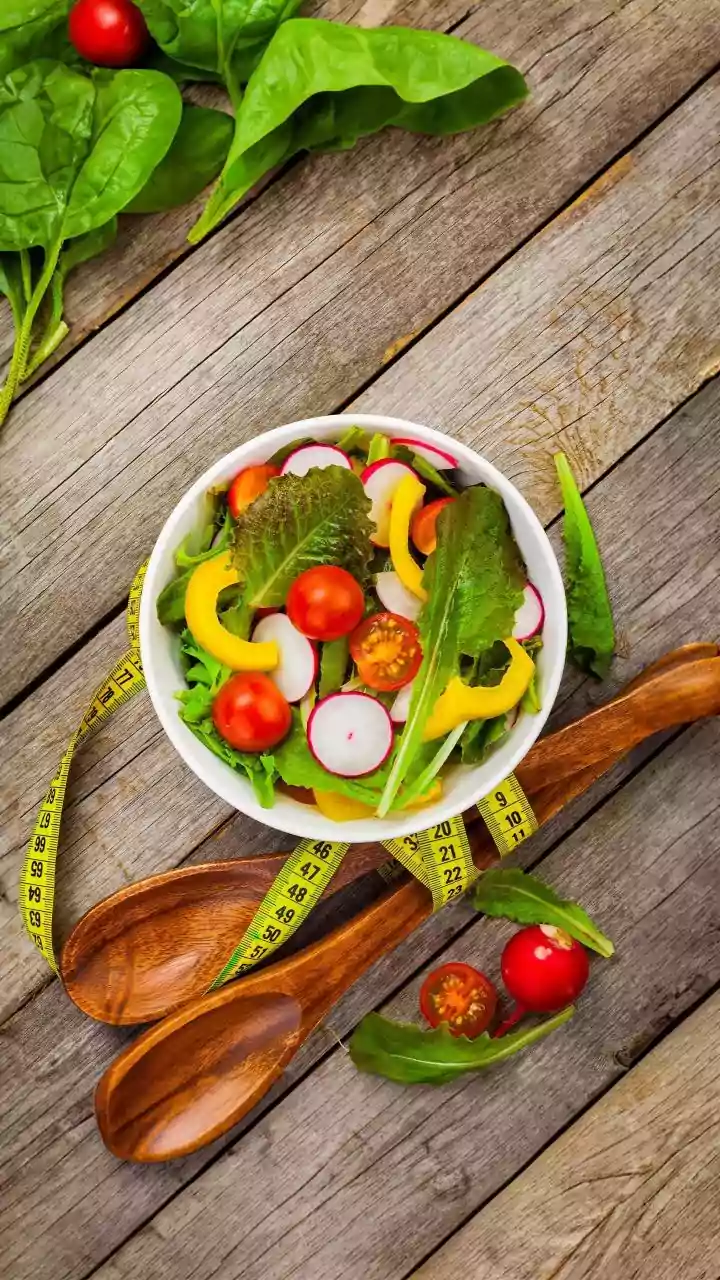
Many health-conscious individuals enjoy raw salads, but this is a habit best paused during the monsoon, especially when eating out. Vegetables commonly used in salads, like cucumbers, tomatoes, and bell peppers, can carry pathogens on their surfaces. Since these items aren't cooked, any germs present can easily enter your digestive system. Bell peppers and brinjals, with their relatively thin or spongy textures, are also prone to faster spoilage and fungal infections in humid weather. If you do wish to have a salad, prepare it fresh at home only after washing all ingredients meticulously under clean, running water. It is even safer to switch to lightly steamed or cooked vegetable preparations until the season passes.
Pre-Cut Fruits and Street Foods: A Necessary No
The convenience of pre-cut fruits and the allure of street-side snacks are undeniable, but they pose a significant health risk during the monsoon. Once a fruit's protective peel is cut, the exposed flesh becomes a perfect surface for bacteria to multiply, especially in the warm, humid air. Street vendors often use water from sources that may be contaminated, and food can be exposed to flies and dirty surroundings. Chaat, pani puri, and fruit juices are particularly risky because they often involve raw ingredients and unboiled water. To stay safe, it is best to avoid these foods entirely during the rainy season. Instead, opt for whole fruits with thick peels like bananas and pomegranates, and wash and cut them yourself right before eating.