



The Rhythm of the Waves
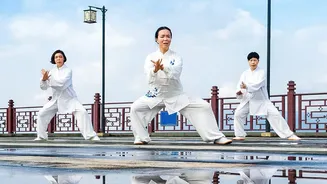
At its heart, Tai Chi is an exercise in flowing, rhythmic, and deliberate movement. Practitioners often seek a state of continuous, graceful motion, sometimes described as moving 'unceasingly like a great river'. In a typical class setting, this rhythm might
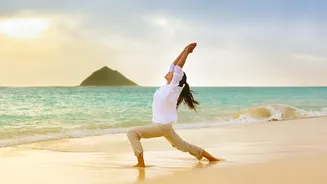
be guided by an instructor's count or background music. However, the beach offers a unique and powerful alternative: the sound of the ocean itself. The rhythmic cadence of waves breaking on the shore can serve as a natural metronome. This consistent, gentle sound provides an auditory cue that can help you synchronize your movements and your breathing, enhancing focus and relaxation. Instead of concentrating on an artificial beat, your body can tune into an ancient, organic rhythm, allowing the forms to flow more naturally. This practice of using wave sounds as a guide is a form of mindfulness, anchoring your attention in the present moment.
A Full Sensory Experience
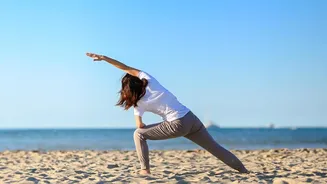
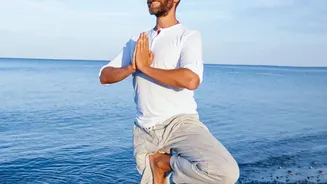
While sound is a powerful pacer, the benefits of beach Tai Chi engage all the senses, creating a deeply immersive experience. The feeling of sand under your feet presents a unique challenge; the unstable surface forces your muscles to work harder to maintain balance, subtly strengthening your core and legs. This also heightens your proprioception—your body's awareness of its position in space. Then there is the air itself. Fresh ocean air, often charged with negative ions, can leave you feeling more alert and energized. Visually, the wide-open vista of the ocean has a calming effect on the brain. Staring at an expansive horizon can quiet mental clutter and reduce feelings of being closed in, allowing for deeper concentration and a more meditative state. This multisensory engagement helps you disconnect from daily distractions and become fully present in your practice.
Finding Your Natural Flow
The ultimate goal in many forms of Tai Chi is to cultivate and balance 'Qi', or life force energy. A key part of this is achieving a state of 'flow'—a meditative state of energized focus and full immersion in an activity. The natural environment of a beach is exceptionally conducive to finding this state. Free from the confined walls and potential distractions of a gym or studio, the mind is encouraged to relax and expand. The combination of rhythmic sound, fresh air, and a vast, calming view helps quiet the internal chatter that can so often disrupt our focus. By syncing your breath to the sound of the waves—inhaling as a wave rolls in, exhaling as it recedes—you create a powerful link between your internal rhythm and the rhythm of the natural world. This harmony between body, breath, and environment is the very essence of what many Tai Chi practitioners strive to achieve.
Practical Tips for Your First Session
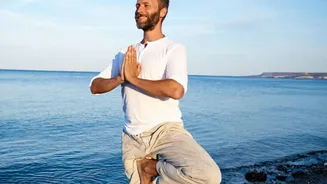
If you're inspired to try beach Tai Chi, a little preparation can make the experience even better. First, consider the timing. Sunrise or sunset sessions offer cooler temperatures and fewer crowds, providing a more peaceful atmosphere for your practice. Pay attention to the tides; a low tide provides a wider, firmer expanse of sand to work on. You can practice barefoot to directly connect with the earth, but be mindful of shells or stones. Don't worry about performing complex forms perfectly. You can start with simple Qi Gong breathing exercises or basic Tai Chi movements like 'Parting the Wild Horse's Mane' or 'Wave Hands Like Clouds'. The goal isn't perfection, but connection. Focus on the sensory experience: the sound of the waves, the feeling of the sand, and the movement of your own breath. Let the environment guide you.