




The Frozen Advantage
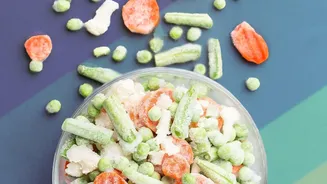
Contrary to popular belief, frozen vegetables are not necessarily less nutritious than fresh. In fact, they can sometimes hold an edge. Produce destined for the freezer is typically picked at its peak ripeness and flash-frozen within hours, a process
that locks in vitamins and minerals. Fresh vegetables, on the other hand, can lose nutrients during their long journey from the farm to your kitchen. Studies have shown that the nutritional differences between fresh and frozen are often minimal, with frozen produce sometimes retaining more vitamin C. This makes them a reliable and budget-friendly way to ensure you're getting your daily dose of greens, beans, and more.
Why Speed and Heat Are Key
The headline's advice is rooted in food science. Many of the most beneficial vitamins in vegetables, like vitamin C and the B-complex vitamins, are water-soluble and sensitive to heat. The longer vegetables are exposed to heat and water, the more of these delicate nutrients leach out and degrade. Fast cooking methods minimize this exposure time, preserving both nutrients and the vibrant colour of the vegetables. High heat also quickly evaporates the ice crystals on frozen vegetables, preventing them from becoming waterlogged and mushy. The goal is to cook them hot and fast, straight from the freezer.
The Best Ways to Cook
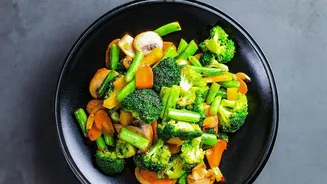
To get crisp, flavourful results, some methods are better than others. Steaming and microwaving are excellent choices because they cook quickly with minimal water, which helps retain water-soluble nutrients. Sautéing or stir-frying in a hot pan with a little oil is another great option that adds flavour and texture without sogginess. The one method to generally avoid is boiling. Submerging frozen vegetables in a large amount of water for an extended period is the fastest way to lose nutrients into the cooking water and end up with a mushy, disappointing side dish. If you must boil, use as little water as possible and cook for the shortest time necessary.
The Art of Roasting from Frozen
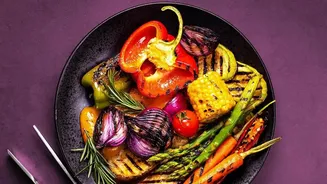
Roasting is a fantastic way to achieve a delicious, caramelised exterior, and you don't need to thaw your vegetables first. The trick is to use high heat—at least 425°F (220°C), or even up to 450°F (230°C). Preheat your baking sheet in the oven with a drizzle of oil. Toss the frozen vegetables directly in oil and seasonings, then spread them in a single, uncrowded layer on the hot pan. This high-heat, hot-pan combination helps the water evaporate quickly, allowing the vegetables to roast rather than steam. Cook for about 15-25 minutes, flipping halfway through, until they are browned and crisp at the edges.
Common Mistakes to Avoid
To get the best out of your frozen vegetables, steer clear of a few common pitfalls. First, unless a recipe specifically calls for it, do not thaw frozen vegetables before cooking. Thawing allows ice to melt, leading to a waterlogged, mushy texture once cooked. Second, don't overcrowd the pan or pot. Give the vegetables space to allow moisture to escape, ensuring they roast or sauté rather than steam. Finally, avoid overcooking. Frozen vegetables are often partially blanched before freezing, so they require less cooking time than their fresh counterparts. Cook them until they are just tender-crisp for the best texture and nutrient retention.
Serve Immediately for Peak Quality
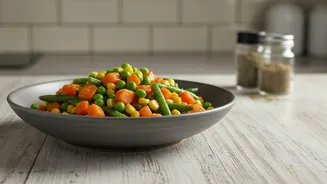
The final piece of the puzzle is prompt serving. Just as nutrients can be lost during the cooking process, they can also continue to degrade as cooked food sits. Heat, light, and oxygen are the natural enemies of vitamins. Once your vegetables are perfectly cooked—bright, crisp, and flavourful—the best way to enjoy their full nutritional benefit is to get them onto the plate and to the table right away. This ensures you’re enjoying them at their absolute peak in terms of taste, texture, and healthfulness.