



What is the Artemis Campaign?
The Artemis program, led by NASA with international partners, is the ambitious successor to the Apollo missions of the 20th century. Its goal is not just to return humans to the Moon, but to establish a sustainable, long-term presence there. This includes
building a permanent lunar base, which will serve as a hub for scientific research and a crucial stepping stone for eventual human missions to Mars. After the successful uncrewed Artemis I flight in 2022 and the crewed lunar flyby of Artemis II in 2026, the program is now focused on the complex task of preparing the lunar surface for human landings and habitation.
Why Send Robots First?
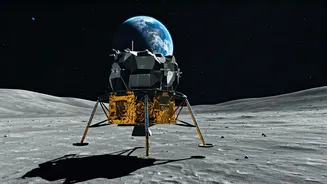
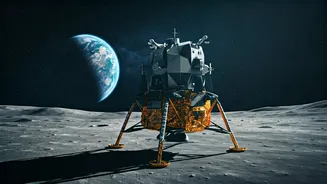
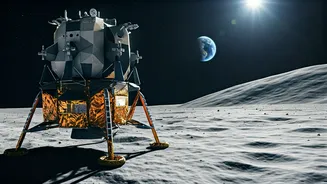
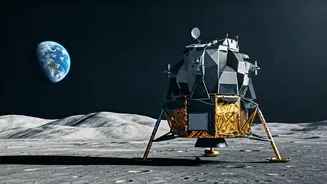
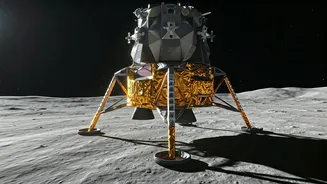
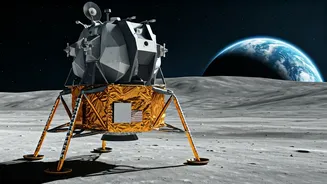
Before committing to the immense cost and risk of sending astronauts to build a moon base, NASA needs detailed information about the lunar environment, especially the resource-rich South Pole. This is where the robots come in. Through the Commercial Lunar Payload Services (CLPS) initiative, NASA is essentially hiring private American companies to deliver scientific instruments, rovers, and technology demonstrations to the Moon. This approach is designed to be faster, more cost-effective, and helps stimulate a commercial space economy. By sending a variety of robotic missions, the agency can map resources like water ice, study the challenging lunar environment, and test landing technologies before human lives are on the line.
Meet the Commercial Pioneers
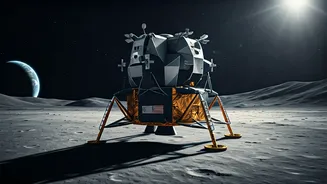
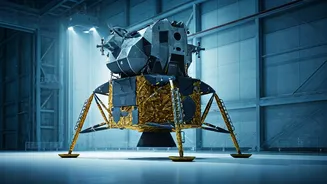
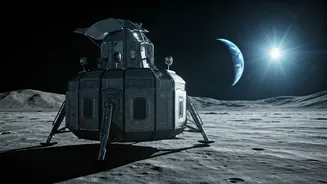
A handful of companies are at the forefront of this robotic vanguard. Houston-based Intuitive Machines and Pittsburgh's Astrobotic Technology have already flown missions, gaining valuable, if sometimes difficult, experience. Intuitive Machines became the first private company to land a spacecraft on the Moon in 2024, although its lander tipped over. Firefly Aerospace, from Texas, later achieved a successful upright landing in 2025. Despite an early mission failure, Astrobotic remains a key player. These companies, along with others like Blue Origin, form the backbone of the CLPS program, bidding on contracts to carry NASA payloads.
A Flurry of New Missions
The pace is accelerating. On June 30, 2026, NASA announced it had awarded nearly $600 million in new contracts for four more robotic landings to take place by the end of 2028. The awards went to Astrobotic for two missions, and one each to Intuitive Machines and Firefly Aerospace. These missions will carry a standard suite of NASA instruments to study the lunar radiation environment, observe how the lander's engine exhaust affects the surface, and leave behind laser reflectors to help future missions navigate precisely. This flurry of activity is part of a plan to increase the cadence of lunar deliveries, allowing NASA to learn and iterate quickly.
Paving the Way for Rovers and Resources
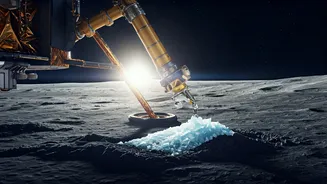
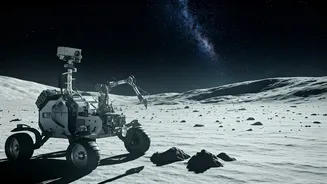
These robotic landers are not just carrying static instruments; they are also deploying rovers to get a closer look. One of the most anticipated missions involves the VIPER rover, a golf-cart-sized vehicle designed specifically to hunt for water ice in the permanently shadowed craters of the lunar South Pole. After being canceled and then revived, VIPER is now slated to be delivered by a Blue Origin lander. NASA is also considering sending a repurposed engineering model of its successful Mars rovers, nicknamed PROMISE, to the Moon, which could use its nuclear power source to explore the coldest, darkest regions where ice is most likely to be found.
The Bigger Picture: A Moon Base
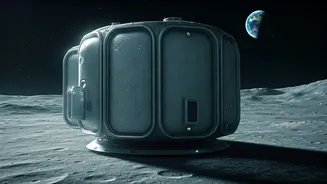
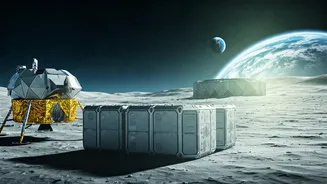
Every robotic landing and scientific measurement is a piece of a much larger puzzle: the establishment of a permanent, crewed Moon Base. The CLPS missions are foundational to this effort, which NASA has branded its 'Moon Base' program. Data from these robotic explorers will inform the design of habitats, the placement of infrastructure, and the development of technologies for using local resources like water ice. This strategic, commercially driven approach is how NASA plans to turn the science fiction dream of living and working on the Moon into a scientific and engineering reality within the next decade.