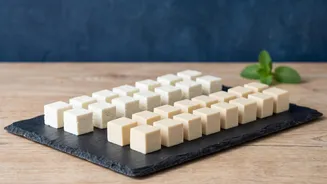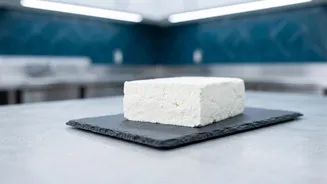






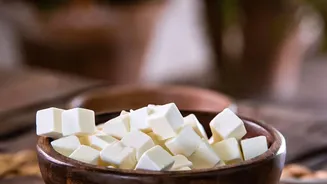
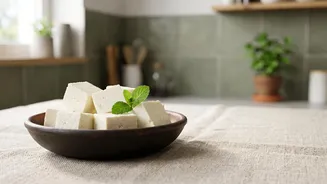
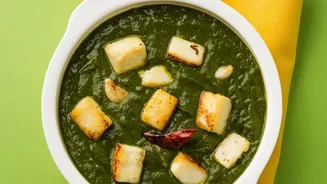
What is Analogue Paneer?
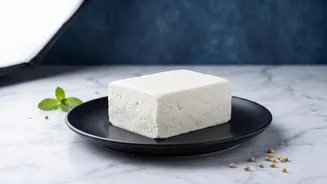
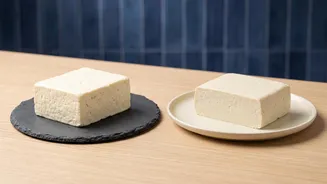
At first glance, it looks and feels like the real thing. However, analogue paneer is a substitute where some or all of the milk components have been replaced. Instead of being made by curdling fresh milk, it is typically engineered from a mix of vegetable
oil (often palm oil), starches, emulsifiers, and sometimes skimmed milk powder. The FSSAI defines a dairy analogue as any product where non-milk ingredients take the place of milk constituents, creating a final product that mimics real paneer in appearance and texture but not in composition. This distinction is crucial because while real paneer is a natural source of protein and calcium, its analogue counterpart often falls short.
Why is FSSAI Cracking Down Now?
The primary concern for the Food Safety and Standards Authority of India (FSSAI) is transparency. The regulator argues that selling these substitutes as 'paneer' misleads consumers, who expect the nutritional benefits of a dairy product. This is especially important for vegetarians who rely on paneer as a key protein source. The action also comes after several states, including Maharashtra, Karnataka, and Gujarat, implemented their own bans or restrictions on analogue paneer due to health and quality concerns. In some state-level tests, a high percentage of paneer samples failed quality standards due to adulteration with vegetable fat, highlighting the scale of the problem.
The Proposed New Rules
In a draft notification issued in late September 2026, FSSAI proposed an amendment to the Food Safety and Standards (Prohibition and Restrictions on Sales) Regulations. The key proposal is to restrict manufacturers from using the word 'paneer' on the packaging, labelling, or marketing materials of products not made from milk. Even businesses already licensed to produce items under the 'Analogue in Dairy Context' category would need to remove the term 'paneer' from their products. The regulator has opened a 60-day window for suggestions and objections from the public and industry stakeholders before the rules are finalised.
Health and Nutritional Differences
The nutritional gap between real and analogue paneer is significant. Genuine paneer is rich in protein and calcium. In contrast, analogue versions typically have much lower protein content and are often made with hydrogenated vegetable oils, which can contain unhealthy trans fats. Regular consumption of such products may lead to nutrient deficiencies and other health issues, including digestive problems like bloating and indigestion. Some health experts warn that the pro-inflammatory nature of refined oils used in analogue paneer could contribute to long-term health risks.
What This Means for You, the Consumer
For consumers, these proposed changes are a step towards greater transparency and making informed choices. The problem is particularly pronounced when eating out, as restaurants may use cheaper analogue paneer in dishes without informing customers. It can be difficult for a consumer to tell the difference, especially in a gravy dish. While the FSSAI's move is aimed at retail packaging, it sets a clearer standard for the entire food industry. Until the rules are finalised, consumers can be more vigilant by checking ingredient lists for terms like 'vegetable fat', 'starch', or 'emulsifiers' and being wary of unusually cheap paneer.