





A Return to the Roots
For generations, imported ingredients were often seen as the hallmark of fine dining in India. But a significant shift is underway. A growing number of chefs are turning inward, exploring the subcontinent's immense biodiversity to find unique ingredients.
This is not just about a 'farm-to-table' philosophy, but a 'forest-to-table' one. It involves rediscovering and celebrating wild, foraged foods that have been part of indigenous and rural diets for centuries but have rarely appeared on urban restaurant menus. This movement goes beyond simple novelty; it's a conscious effort to build a modern Indian culinary identity rooted in its own landscape, prioritising authenticity and sustainability over temporary hype.
The Forest's Pantry
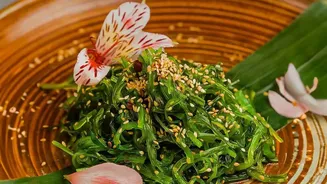
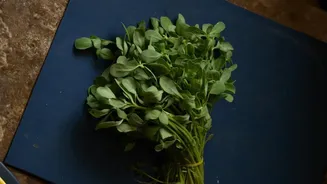
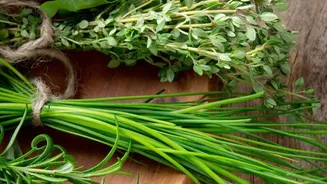
So, what exactly are these forest ingredients? They are as diverse as India's geography. In the Himalayas, chefs are using the young, coiled fronds of the fiddlehead fern, known locally as lingdi or linguda, for its crisp texture and earthy taste. The flowers of the Mahua tree, found across central India, offer a natural, floral sweetness that is being incorporated into contemporary desserts and even savoury dishes. Other examples include the nutty Meghalayan tuber Sohphlang, the intensely fragrant Gondhoraj lime, wild mushrooms, sea buckthorn berries from Ladakh, and countless varieties of indigenous greens and herbs that have long been staples for tribal communities. These ingredients bring unparalleled flavour innovation, offering unique tastes that cannot be replicated by commercially cultivated produce.
More Than Just Flavour
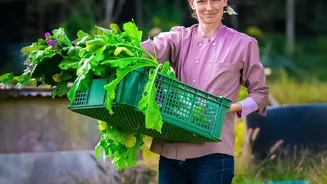
The embrace of forest ingredients is driven by a philosophy deeper than just culinary creativity. It represents a commitment to sustainability by celebrating seasonal and naturally-growing produce, which reduces the carbon footprint associated with large-scale agriculture and long-distance transport. It also creates a vital economic link with local and tribal communities, who have been the custodians of this ecological knowledge for generations. By creating a market for these foods, restaurants provide these communities with a livelihood that encourages the preservation of biodiversity. Chefs like Prateek Sadhu, Vanika Choudhary, and Thomas Zacharias have been pioneers, building relationships with foragers and farmers to ensure that this sourcing is done responsibly and ethically, without depleting natural resources.
Avoiding the Hype Cycle
The key to this movement's integrity is its focus on substance over sensationalism. The headline's point about avoiding 'hype' is crucial. True foraging is not about chasing trends but about a genuine connection to the environment and its cycles. This means understanding that these ingredients are hyper-seasonal and their availability is unpredictable. Responsible chefs work with what nature provides, adapting their menus accordingly, rather than creating a fixed demand that could lead to over-harvesting. It also involves giving credit and ensuring economic benefits flow back to the indigenous communities who hold the traditional knowledge. This approach frames foraged ingredients not as a luxury gimmick but as a way to tell a meaningful story about a region's culture, ecology, and history through food.