


The Two Faces of Cinnamon
What we commonly call cinnamon actually comes from two different, though related, trees. The first is Ceylon cinnamon (Cinnamomum verum), often called “true cinnamon”. It is native to Sri Lanka and Southern India and is known for its delicate, sweet,
and complex flavour with notes of citrus. The second, and far more common type, is Cassia cinnamon. This variety, which includes Chinese, Indonesian, and Saigon cinnamon, comes from trees like Cinnamomum cassia. It is what you will likely find in most supermarkets because it is cheaper to produce. Cassia has a stronger, spicier, and more pungent flavour, which is familiar to many. While both are sold as cinnamon, their chemical makeup is significantly different.
What Exactly Is Coumarin?
The most critical difference between Ceylon and Cassia cinnamon is their content of a natural organic compound called coumarin. This substance is responsible for the sweet smell in many plants. While it occurs naturally, it can be harmful in large doses. This is where the distinction between the two cinnamons becomes a matter of health, not just taste. All cinnamon types contain coumarin, but the concentration varies dramatically. This single chemical is the reason why health authorities recommend being mindful of which cinnamon you consume regularly.
Cassia: High in Coumarin
Cassia cinnamon is packed with coumarin. Studies have shown that Cassia powder can contain up to 1% coumarin by weight. To put that into perspective, a single teaspoon of Cassia cinnamon can contain between 5.8 and 12.1 mg of coumarin. This is significant because health organizations like the European Food Safety Authority (EFSA) have set a tolerable daily intake (TDI) for coumarin at 0.1 mg per kilogram of body weight. For an adult weighing 70 kg, the daily limit is around 7 mg. This means just one teaspoon of common Cassia cinnamon could easily push you over the daily recommended limit. Because it is the most widely available and affordable variety, most ground cinnamon on store shelves is Cassia.
Ceylon: The Safer, Low-Coumarin Choice
In stark contrast, Ceylon cinnamon contains only trace amounts of coumarin. Research shows its coumarin content is around 0.004%, which is approximately 250 times less than Cassia. This makes Ceylon cinnamon the much safer option for frequent or heavy use, such as in daily smoothies, tea, or health supplements. A teaspoon of Ceylon cinnamon contributes a negligible amount of coumarin to your diet, well below any level of concern. For those who consume cinnamon regularly for its potential health benefits, such as blood sugar regulation, choosing Ceylon is highly recommended to avoid the risks associated with long-term coumarin exposure.
The Health Risks of Too Much Coumarin
The primary health concern with high coumarin intake is liver toxicity (hepatotoxicity). While occasional use of Cassia cinnamon is not dangerous for most people, prolonged, high-dose consumption has been linked to liver damage in a small subset of sensitive individuals. Health agencies advise people with existing liver conditions to avoid foods and supplements rich in coumarin. While the risk is not widespread, the data is strong enough for Germany's Federal Institute for Risk Assessment to specifically recommend using Ceylon cinnamon for daily consumption. It’s a classic case of “the dose makes the poison,” and with Cassia, the dose can add up quickly.
How to Tell Them Apart
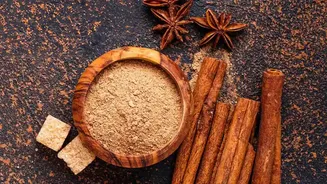
Distinguishing between the two is easiest when they are in stick form. Ceylon cinnamon sticks are tan-brown, composed of many thin, papery layers rolled together into a quill that is soft and easy to break. Cassia sticks are reddish-dark brown, hard, woody, and made of a single, thick layer of bark that curls inward from both sides, forming a mostly hollow tube. As a powder, it is much harder to tell. Ceylon powder is typically lighter in colour (tan-brown) and has a finer texture, while Cassia powder is darker (reddish-brown) and coarser. The best way to be sure is to check the label for “Ceylon” or “Cinnamomum verum”. If it just says “cinnamon,” it is most likely Cassia.