





What is Stone Balancing?
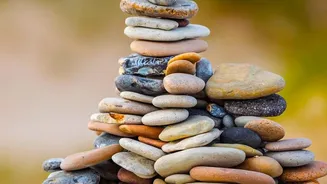
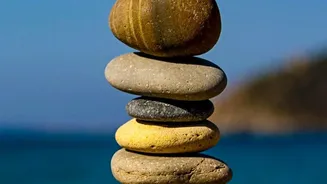
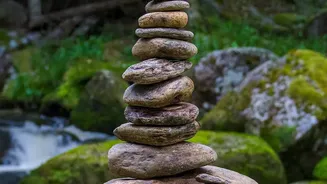
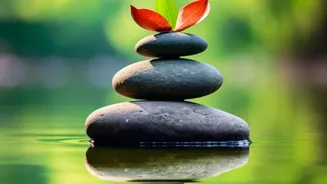
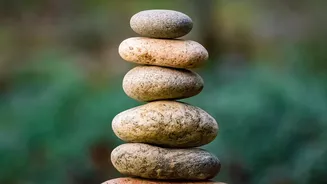
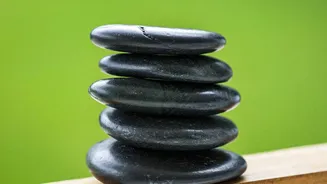
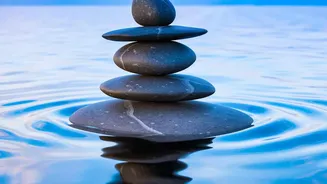
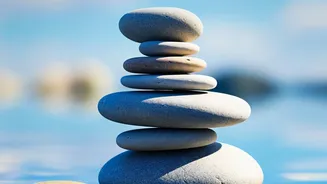
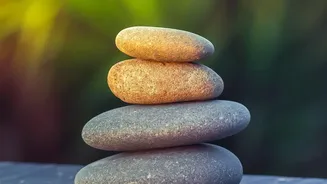
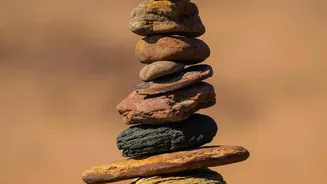
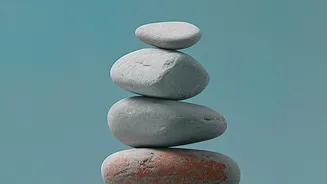
At its core, stone balancing is the art of stacking rocks on top of one another without any aids like glue or wires. It’s a practice that relies purely on gravity and finding the natural equilibrium point of each stone. Unlike simple piling, true stone balancing often
involves creating sculptures that seem to defy physics, with rocks resting on impossibly small contact points. This activity can be many things: a form of artistic expression, a performance, or a deeply personal meditative practice. For those who practice it, it becomes a unique dialogue with nature, transforming a simple collection of stones into a temporary masterpiece of patience and physics. It’s an act of creation that requires you to be completely in the moment.
A Workout for Mind and Soul
The primary benefits of stone balancing are mental. The act requires intense concentration, forcing you to shut out distractions and focus solely on the feel of the stones in your hands. This deep focus is a form of active meditation, calming the mind and reducing stress and anxiety. Practitioners often describe entering a state of flow where time seems to fade away. It’s a powerful lesson in patience; a single sculpture can take minutes or hours, and the stones will inevitably fall many times. Each collapse becomes an opportunity to let go of frustration and attachment, teaching resilience and acceptance. The process encourages you to embrace impermanence and simply enjoy the creative act itself.
Finding Your Physical Balance
While largely a mental exercise, stone balancing also hones physical skills. The delicate task of picking, positioning, and carefully placing each rock is an excellent way to improve hand-eye coordination and fine motor skills. You learn to make minute adjustments, feeling for the almost imperceptible shifts in weight and stability. Your body must remain steady and your hands precise. This physical stillness complements the mental quietude, creating a holistic experience that engages both mind and body in a gentle, deliberate dance with gravity. It sharpens your sensitivity, not just to the rocks, but to your own physical presence and movements.
How to Get Started
Beginning your stone balancing journey is simple. Start small, perhaps with just one or two rocks, to avoid frustration. Find a stable base rock. The key technique involves finding three points of contact between stones, often creating a tiny, stable triangle. Hold the rock you want to balance, and gently roll or twist it on the base rock, feeling for the points where it begins to lock into place. You'll sense a subtle 'click' as the rock finds its center of gravity and the tendency to fall lessens. Be patient and relaxed; it's more important to be present and calm than to build a tall tower immediately. Focus on your breath and let your fingers feel the way, listening to what the stones are 'telling' you.
Practicing with Environmental Respect
As stone stacking has grown in popularity, its environmental impact has become a serious concern. Moving rocks can disturb fragile ecosystems, displacing insects, small animals, and aquatic life that use them for shelter. It can also lead to increased soil erosion, especially in riverbeds and on shorelines. Furthermore, man-made stacks can detract from the natural landscape for other visitors and may be confused with cairns, which are official trail markers. To practice responsibly, always follow Leave No Trace principles. Avoid disturbing habitats, and if you do create a sculpture, dismantle it and return the rocks to where you found them before you leave. The goal is to leave the environment exactly as it was, ensuring its beauty and health for generations to come.