







The Royal Classic: Hyderabadi Biryani
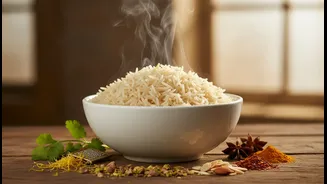
No discussion of Basmati is complete without mentioning Biryani. For this iconic dish, the choice of rice is non-negotiable. Basmati's unique properties—high in amylose starch—allow its long, slender grains to expand in length rather than puff up, ensuring
they remain separate and don't turn mushy. This structure is crucial for a layered Biryani, as it allows the rice to absorb the complex medley of spices, meat or vegetable juices, and saffron-infused milk without clumping. The rice's own nutty fragrance doesn't just sit in the background; it rises to meet the aromas of cardamom, cloves, and kewra water, creating a truly symphonic culinary experience. It is the perfect canvas for a dish that is as much about aroma as it is about taste.
The Persian Jewel: Tahdig
Travel west to Iran, and you'll find Basmati rice celebrated in a completely different way. Tahdig, which translates to "bottom of the pot," is a prized Persian delicacy featuring a golden, crispy layer of rice. The technique involves par-boiling the Basmati, then steaming it slowly over a layer of oil or butter, sometimes mixed with yogurt and saffron. While the rice above steams to fluffy perfection, the bottom layer fries to an incredibly satisfying crunch. Here, Basmati's low amylopectin content is again key, preventing stickiness and allowing for that distinct crispy texture. The aroma of the saffron blooms in the heat, perfuming the entire pot and creating a dish where texture is just as important as flavour.
The Sweet Finale: Kheer
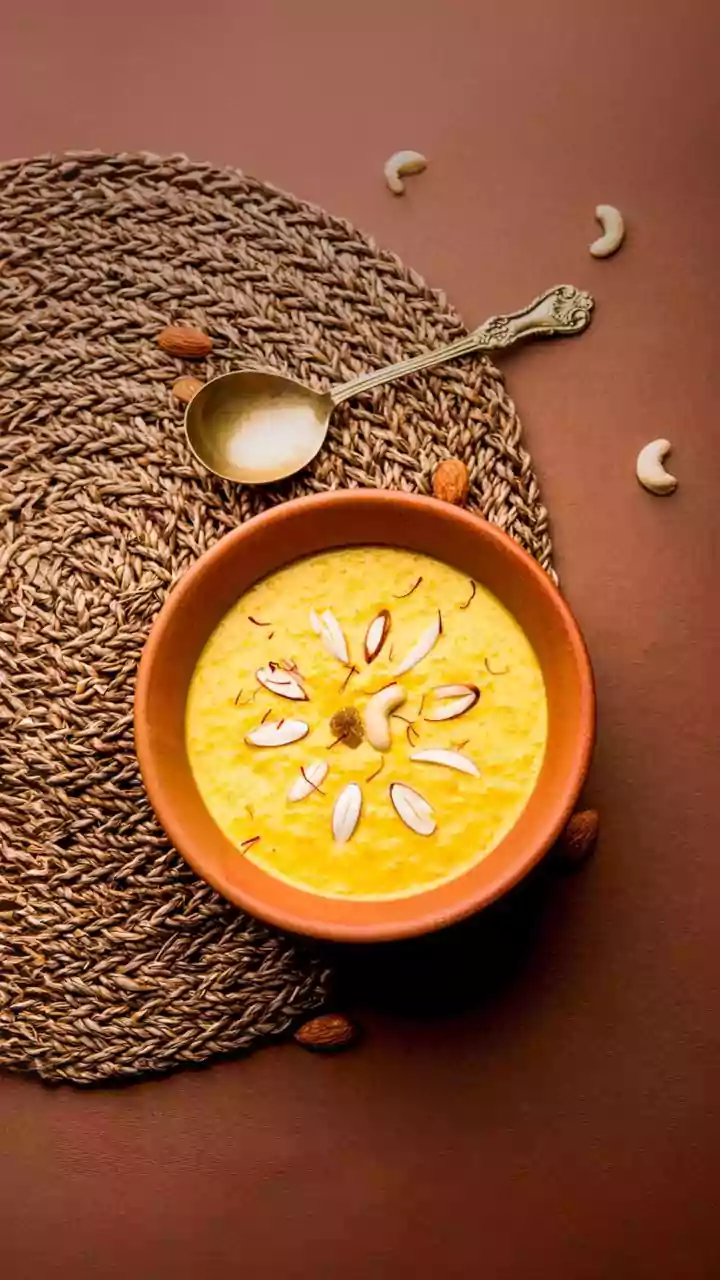
Can a grain celebrated for its separate, fluffy nature also create a creamy, decadent dessert? In the case of Kheer, the answer is a resounding yes. In this beloved Indian rice pudding, Basmati rice is slow-cooked in milk until the grains are incredibly soft. As they break down, they release their starches, which naturally thicken the milk into a luscious, creamy consistency. The rice’s inherent floral and nutty aroma is the perfect partner for classic dessert flavourings like cardamom, saffron, rose water, and nuts. Instead of standing apart, the grains meld into the sweet milk, proving that Basmati's versatility extends from savoury feasts to comforting sweet finales.
The Global Twist: Coconut Cilantro Rice
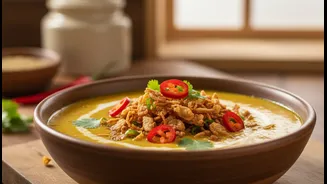
Moving towards Southeast Asian and Caribbean flavours, Basmati proves its adaptability in dishes like Coconut Cilantro Rice. Here, the rice isn't just boiled in water; it's simmered in rich coconut milk. This method infuses each grain with a creamy, tropical sweetness. The natural fragrance of the Basmati doesn't get lost; instead, it mingles beautifully with the coconut. The final addition of fresh, zesty cilantro and a squeeze of lime cuts through the richness, creating a bright and flavourful side dish. This recipe showcases how Basmati can absorb bold new flavours while still contributing its own signature aromatic character, making it a truly global ingredient.
The Zesty Surprise: Lemon Herb Salad
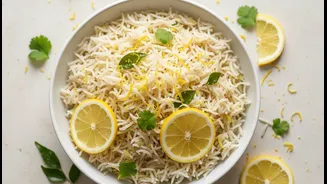
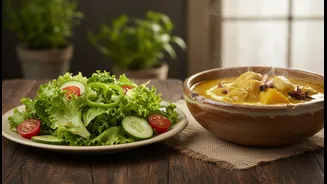
In a complete departure from hot and heavy preparations, Basmati also shines when served cold or at room temperature in a modern salad. Its ability to remain fluffy and separate makes it an ideal base that won't turn into a stodgy mess. When tossed with a vibrant lemon vinaigrette, chopped fresh herbs like parsley and mint, and crunchy vegetables like cucumber and peppers, the cooked and cooled Basmati acts as a delightful textural element. The rice’s subtle fragrance provides a gentle, nutty counterpoint to the sharp, fresh flavours of the dressing and herbs. It's a light, refreshing, and healthy preparation that completely reimagines the role of rice, transforming it from a hearty staple into a zesty, modern salad.