




The Psychology of the Aspirational Pantry
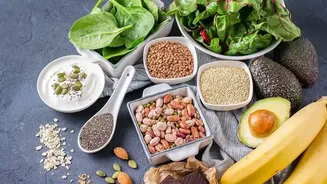
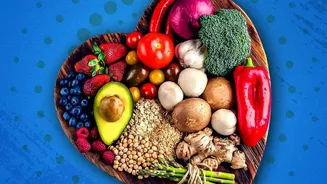
Stocking up on healthy ingredients feels like a victory in itself. Psychologically, it's an act of self-improvement; we are signaling to ourselves that we intend to be healthier. This is often called 'aspirational buying.' We purchase items for the person
we want to be—someone who meal preps, bakes their own bread, and whips up a quinoa salad for lunch. However, the intention often doesn't translate into action. This is due to 'decision fatigue,' a state of mental exhaustion from making too many choices. After a long day, deciding what to do with a bag of dried lentils can feel overwhelming compared to the simplicity of ordering a pizza or boiling familiar pasta. The pressure to cook a 'perfectly healthy' meal can also be paralyzing, causing us to default to easier, often less nutritious, options.
Shift Your Mindset: From Museum to Workspace
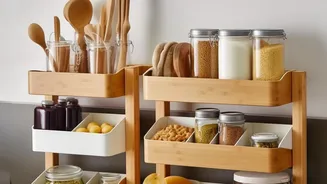
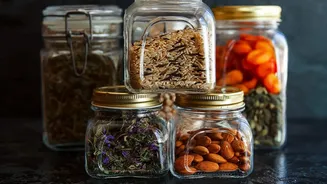
The first step is to stop treating your pantry like a trophy case and start seeing it as a functional workspace. A common issue is 'out of sight, out of mind.' If your healthy ingredients are hidden behind boxes of crackers or stacked in the back, you will forget they exist. Begin by doing a pantry purge. Get rid of anything that's expired and be honest about items you know you'll never use. Then, organize for visibility. Use clear containers for grains, beans, and seeds. Place newer items at the back and older ones at the front. The goal is to make grabbing the healthy choice just as easy as grabbing the convenient one. When you can see your beautiful ingredients, you’re more likely to feel inspired to use them.
Create Go-To Meals, Not Gourmet Plans
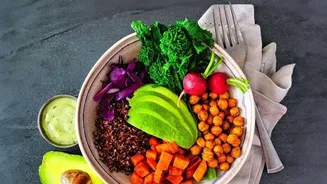
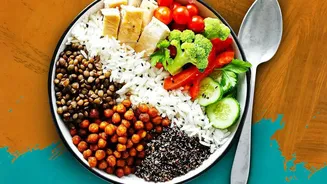
You don't need a complicated new recipe to use up that can of chickpeas or bag of quinoa. The key is to develop a short list of simple, go-to meals that you can make without much thought. Think of it as creating a 'capsule meal plan.' For instance, quinoa can be cooked in a large batch and used all week: as a base for a grain bowl, mixed into a salad, or added to a soup. Canned beans can be mashed with spices for a quick dip, tossed into a chili, or blended into a high-protein pasta sauce. Rather than trying to invent a new masterpiece every night, focus on mastering a few versatile 'component preps.' Cook a pot of lentils, roast a tray of vegetables, and make a simple vinaigrette. With these on hand, you can assemble a healthy meal in minutes.
The 'Reverse Meal Plan' Tactic
Traditional meal planning asks, "What do I want to eat this week?" and then you shop for it. This often leads to buying more ingredients when you already have a full pantry. Try a 'reverse meal plan' instead. Start by taking inventory of what you already have. Ask yourself, "What can I make with the items that have been sitting on my shelf the longest?" Challenge yourself to an "eat down the pantry" week, where you delay grocery shopping and get creative with existing supplies. This not only saves money and reduces food waste but also forces you to finally use that bag of farro or can of sardines. You might discover new combinations you love, and you’ll clear space for food you genuinely want to eat.
Start Small to Build Momentum
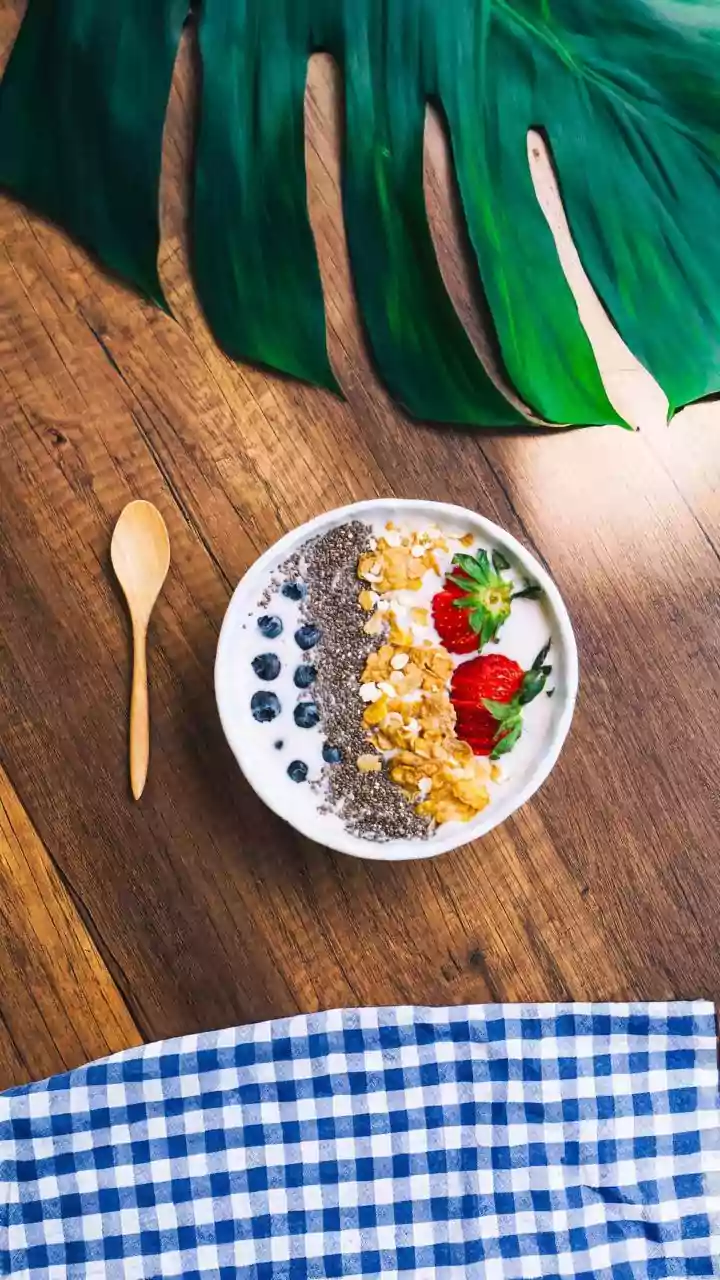
Overcoming cooking fatigue and pantry paralysis is about building sustainable habits, not achieving perfection overnight. Celebrate the small wins, like using up an ingredient before it spoils or simply cooking at home when you feel uninspired. Don't feel pressured to use every single healthy item at once. Start by incorporating one pantry staple into a meal each week. For example, add a spoonful of chia seeds to your morning yogurt, or toss a handful of walnuts into your salad. These small actions build confidence and create positive momentum. Over time, reaching for those healthy ingredients will become second nature, transforming your aspirational pantry into a powerhouse of daily nourishment.