





A Symphony of Flavour and Nutrients
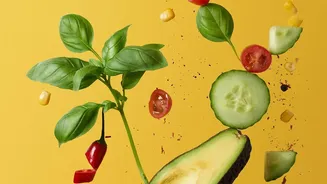
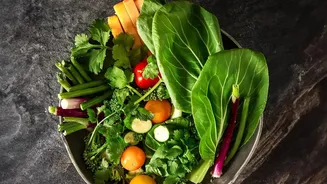
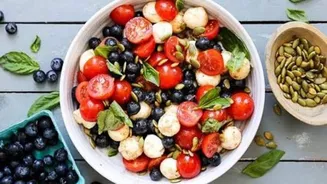
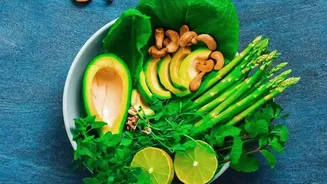
The most immediate difference when cooking with fresh ingredients is the taste. A sun-ripened tomato, crisp spinach, or freshly ground spices offer a depth and vibrancy of flavour that processed foods simply cannot replicate. Fresh produce retains its
natural sugars and oils, which means meals require less added salt, sugar, and artificial flavour enhancers to taste delicious. Beyond taste, fresh ingredients are nutritional powerhouses. They are packed with vitamins, minerals, and antioxidants that begin to degrade during processing, transportation, and long-term storage. Processed foods are often stripped of vital nutrients like fibre and are loaded with preservatives, unhealthy fats, and high levels of sodium to extend their shelf life. Choosing fresh means you are getting the food in its most nutrient-dense state, providing your body with the wholesome fuel it needs to thrive.
Cooking as a Mindful Practice
The benefits of cooking with fresh ingredients extend far beyond the physical. The very act of preparing a meal from scratch can be a powerful tool for mental wellness. The rhythmic chopping of vegetables, the aroma of sizzling spices, and the focus required can be a form of mindfulness, helping to reduce stress and anxiety. Studies have shown that engaging in small, creative activities like cooking can improve mood and provide a sense of accomplishment. In a world of constant digital distraction, the kitchen can become a sanctuary. It’s a place to engage your senses, disconnect from daily pressures, and experience the satisfaction of creating something nourishing with your own hands. This sense of control and achievement can be incredibly empowering, boosting confidence and fostering a positive relationship with food.
Strengthening Connections and Awareness
When you prioritise fresh ingredients, you naturally become more connected to your food and where it comes from. Visiting a local sabzi mandi or farmer's market, you learn to appreciate seasonal produce and the effort that goes into growing it. This fosters a deeper respect for food and can encourage more sustainable eating habits, reducing food waste and supporting local economies. This connection is also a valuable lesson for the entire family, especially children. Cooking together provides an opportunity to teach them about nutrition, different ingredients, and the importance of a home-cooked meal. It creates a space for bonding and shared accomplishment, turning mealtime into a meaningful family ritual rather than just a necessity.
Making Fresh a Part of Your Routine
Embracing fresh ingredients doesn't require a complete lifestyle overhaul. Start with small, manageable steps. Plan a few meals for the week to make grocery shopping more efficient. Challenge yourself to cook one meal a day using only fresh components. Learning proper storage is also key to reducing waste and making your produce last longer. For instance, leafy greens like spinach and coriander can be wrapped in a damp cloth to retain freshness, while fruits like bananas should be kept separate to prevent them from ripening other produce too quickly. Store spices in airtight containers away from heat and light to preserve their potent flavours. By adopting these simple habits, you can ensure your kitchen is always stocked with vibrant, healthy ingredients, making wholesome cooking the easy choice.