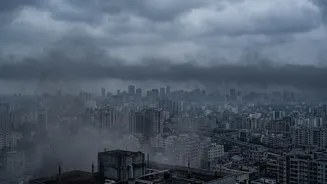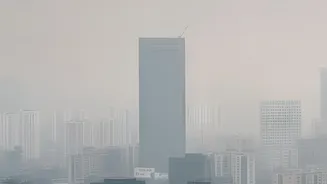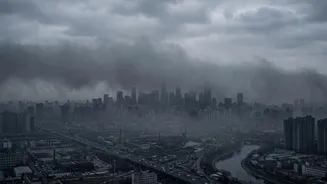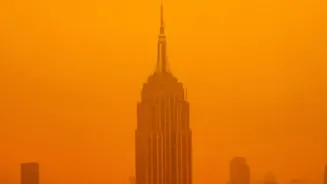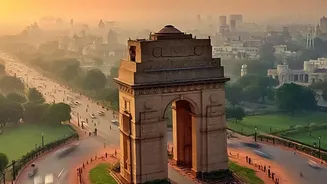







As Delhi's air quality dipped towards the 'Severe' category around November 10, a familiar sense of dread settled over the city. This isn't just a bad air day; it's a recurring public health crisis that peaks every November. Here’s what’s happening and
what you can do.
The Current Situation: A City Under Siege
On November 10, Delhi's air quality was recorded in the 'Poor' category, but it worsened to 'Very Poor' by November 11 with an AQI of 303. By the morning of November 12, the city's average AQI stood at 317, firmly in the 'Very Poor' range, with forecasts suggesting it could breach the 'Severe' mark (AQI above 401) by Friday. An AQI in the 'Severe' category poses a risk of respiratory illness even to healthy people and can seriously impact those with existing conditions. In response to the deteriorating air, authorities have kept Stage III of the Graded Response Action Plan (GRAP) in force across the National Capital Region, which includes restrictions on construction activities and the plying of older vehicles.
Why November Is Delhi's Most Polluted Month
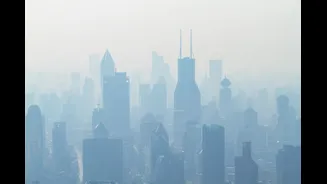
Delhi's winter pollution is a perfect storm of multiple factors. Local sources like vehicular emissions, which can account for up to 40% of pollution, industrial discharge, and construction dust form the baseline of the city's poor air. This is compounded by seasonal agricultural fires in the neighbouring states of Punjab and Haryana, where farmers burn crop stubble to clear fields. But the weather is the ingredient that turns a chronic problem into an acute crisis. In winter, cooler air is denser and stays close to the ground. A phenomenon called temperature inversion occurs when a layer of warmer air sits on top of this cool layer, acting like a lid and trapping all the pollutants. Low wind speeds mean this toxic mix has nowhere to go, blanketing the city in a thick, hazardous smog.
The Toll on Your Health
The health impacts of this toxic air are immediate and wide-ranging. The most common short-term effects include eye and skin irritation, coughing, sore throat, and breathing difficulties. For those with pre-existing conditions like asthma or heart disease, it can trigger severe attacks. The primary culprit is PM2.5—fine particulate matter so small it can penetrate deep into the lungs and even enter the bloodstream, affecting multiple organs. Long-term exposure is linked to a higher risk of chronic respiratory diseases, cardiovascular problems, strokes, and even cancer. Children and the elderly are particularly vulnerable, with studies showing irreversible lung damage in millions of Delhi's children.
How to Protect Yourself and Your Family
While systemic solutions are needed, taking personal precautions is crucial for survival. The most important step is to reduce your exposure. Stay indoors as much as possible, especially on days when the AQI is 'Severe' or 'Very Poor'. Keep windows and doors closed to prevent polluted air from entering. If you must go out, always wear a well-fitted N95 or FFP2 mask, as simple cloth or surgical masks do not filter PM2.5 particles effectively. Avoid all outdoor exercise, including morning walks, as you inhale more pollutants when breathing heavily. Inside your home, consider investing in an air purifier with a HEPA filter, which can significantly reduce indoor particulate matter. Simple habits like wet mopping instead of dry sweeping can also help by preventing settled dust from becoming airborne again.
Staying Healthy from the Inside Out
Your diet and lifestyle can also help your body cope with the environmental stress. Staying well hydrated is essential. Some experts recommend including antioxidant rich foods in your diet, such as fruits, vegetables, and nuts, to help your body fight the inflammation caused by pollutants. Steam inhalation can provide temporary relief from congestion and throat irritation. Pay close attention to vulnerable family members, including children, the elderly, and those with chronic illnesses, ensuring they remain indoors and take their prescribed medications.