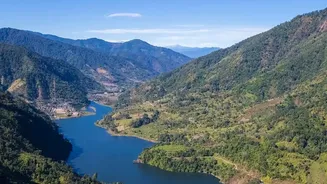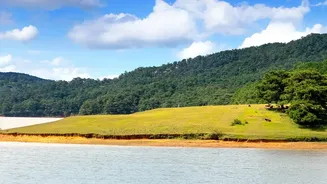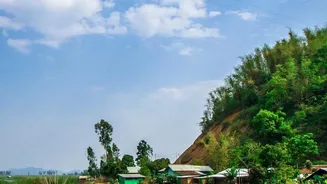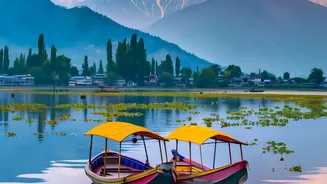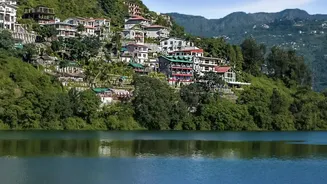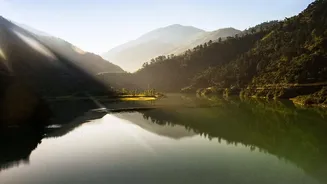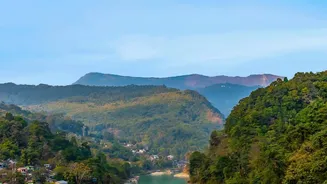






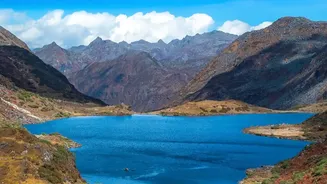
Just before you reach Shillong, the landscape opens up to reveal a vast, shimmering body of water that mirrors the sky. This is Umiam Lake, a jewel of Northeast India. But this stunning vista holds a fascinating secret: it's entirely man-made.
An Engineering Marvel from the 1960s
Umiam Lake,
also known by its local name Barapani or 'big water', wasn't born from nature's hand but from human ingenuity. It was created in the early 1960s by damming the Umiam River. The primary purpose was not to create a tourist paradise, but to generate much-needed hydroelectric power. The construction, formally inaugurated in 1960 by Prime Minister Jawaharlal Nehru, led to the commissioning of the Umiam Stage I powerhouse in 1965, the first major hydroelectric project in Northeast India. This ambitious project, undertaken by the Assam State Electricity Board, transformed the valley and laid the groundwork for the region's energy infrastructure.
The Lifeline of Meghalaya
Beyond its scenic beauty, Umiam Lake is a critical resource for Meghalaya. The Umiam-Umtru Hydroelectric Power Project, fed by the lake's massive reservoir, is a cornerstone of the state's power supply. The lake, covering a catchment area of over 220 square kilometres, also supplies drinking water to Shillong and its surrounding areas, and supports local fisheries, which are a major source of fresh fish for the city. It provides direct employment to thousands and has significantly contributed to the socio-economic development of the region for decades. This dual identity—as both a functional utility and a natural escape—makes it a unique landmark.
A Playground for Adventure and Leisure
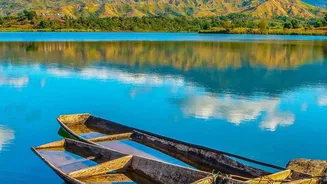
Over the years, Umiam Lake has evolved into one of Meghalaya’s premier tourist destinations. The serene waters, set against a backdrop of pine-covered hills, create a perfect environment for recreation. The Umiam Water Sports Complex is a hub of activity, offering everything from kayaking and water cycling to speed boating and yachting. For those seeking a more tranquil experience, boating on the lake provides stunning panoramic views. Adjacent to the lake, Lum Nehru Park is a popular spot for picnics, while the Orchid Lake Resort offers accommodation with spectacular lakeside views. Whether you're an adventure enthusiast or a nature lover, the lake offers a diverse range of activities.
The Legend of the 'Lake of Tears'
While its origins are technical, the lake is also steeped in local folklore. According to Khasi legend, the name 'Umiam' means 'water of tears'. The story tells of two sisters who descended from heaven. When one sister got lost on the journey, the other who had reached Meghalaya wept so profusely in her grief that her tears formed the lake. This poignant tale gives a mystical aura to the landscape, blending the practical history of the dam with the cultural fabric of the Khasi people, for whom the lake also holds spiritual significance.
An Ecosystem Under Pressure
Despite its idyllic appearance, Umiam Lake faces significant environmental challenges. Pollution from upstream rivers, particularly the Wah Umkhrah and Wah Umshyrpi which flow through Shillong, carries solid waste and contaminants into the reservoir. This has led to concerns about water quality and has even resulted in fish from the lake developing an unpleasant odour. Furthermore, siltation is another major issue, with thousands of cubic metres of topsoil and sediment entering the lake annually, gradually reducing its storage capacity and threatening the long-term viability of the hydropower project. Various clean-up drives and community initiatives are underway to address these problems, highlighting a growing awareness of the need to protect this vital resource.