



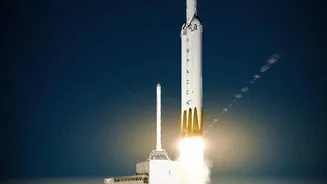
A Fiery Ascent to Orbit
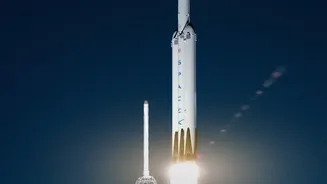
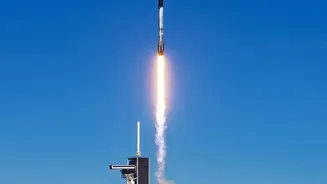
Lifting off from its Starbase facility in Texas, the most powerful rocket ever built thundered into the sky for its 14th test flight. The mission was not without drama; one of the upper stage's six Raptor engines shut down prematurely during the ascent.
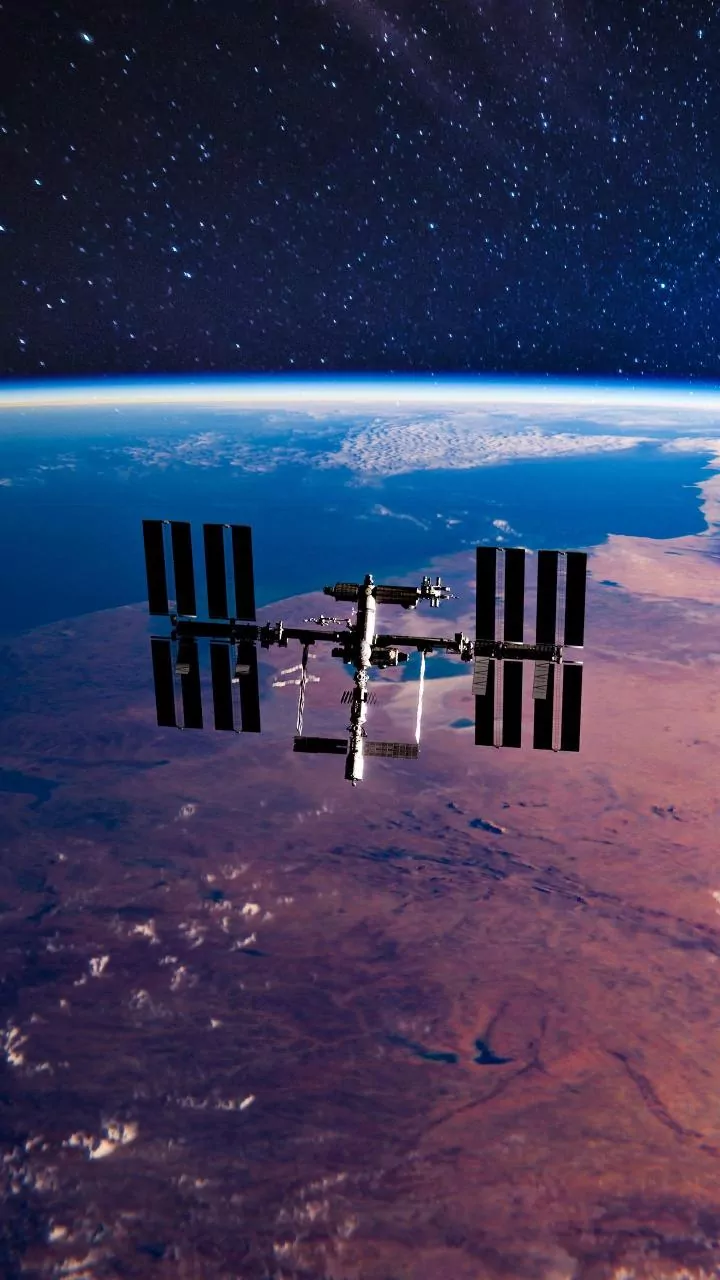
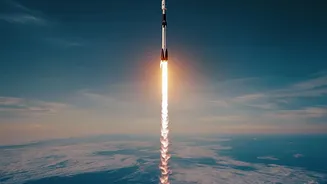
For a tense period, it seemed the primary goal might be scrubbed. However, mission controllers assessed the vehicle's health and made the bold call to proceed with the orbital insertion burn. Just 25 minutes after launch, a single engine fired for 19 seconds, pushing Starship to the required velocity and placing it in a stable orbit around 171 miles (275 km) above Earth.
Why Reaching Orbit is a Game-Changer
Previous Starship flights were suborbital, meaning they flew up and came back down in a high arc without achieving the speed needed to circle the planet. Reaching orbit is a far more complex challenge, requiring a speed of roughly 17,400 mph (28,000 km/h) to counteract Earth's gravity. This successful orbital flight proves the fundamental design of the Starship system works as intended for long-duration missions. It transitions the program from its initial development phase toward becoming an operational vehicle capable of carrying out its ambitious goals. This single achievement is the critical gateway to nearly everything SpaceX and its partners hope to accomplish with the vehicle.
An Early Return But Mission Success
The original flight plan called for a nearly 10-hour mission, circling the globe six times. However, out of an abundance of caution due to the earlier engine anomaly, SpaceX opted to shorten the flight. Before its return, Starship accomplished another key objective: it successfully deployed 26 operational Starlink V3 satellites, marking its first revenue-generating payload delivery. After about three hours, Starship performed a deorbit burn and began its fiery reentry into the atmosphere. The flight concluded with a planned splashdown in the Pacific Ocean, which ended in a dramatic explosion upon hitting the water—an outcome that still allowed engineers to gather crucial data.
Unlocking the Future of Space
With orbital capability now demonstrated, Starship is poised to revolutionize space access. The rocket is central to NASA's Artemis program, which plans to use a modified Starship as the lander to return astronauts to the lunar surface for the first time since the Apollo era. Beyond the Moon, the vehicle's massive payload capacity is designed to deploy hundreds of satellites at once and, eventually, to transport crews and cargo to Mars, fulfilling Elon Musk's long-term vision of making humanity multi-planetary. Its success is seen as a way to alleviate the current global launch bottleneck and drastically cut the cost of reaching space.
What Comes Next for Starship?
While a landmark success, this flight is just one step. The next major hurdles for SpaceX include perfecting in-orbit refueling—a critical technology for deep space missions that involves one Starship docking with another to transfer propellant. Another key goal is achieving full and rapid reusability by catching both the Super Heavy booster and the Starship upper stage with the launch tower's mechanical arms, a feat not yet attempted with the upper stage. The next flight, potentially as early as October, will build on the lessons from this mission as SpaceX works to make orbital flights routine and reliable.