
Understanding the Magic of Seasoning
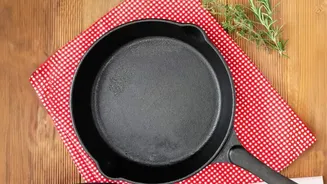
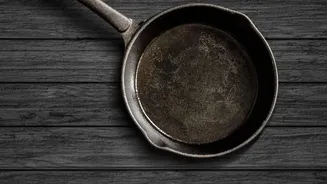
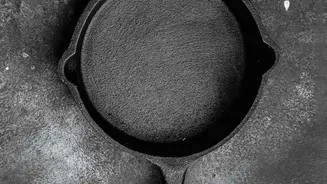
First, let's clarify what "seasoning" really means. It’s not about leftover flavors from your last meal. Seasoning is a layer of polymerized oil that has bonded to the surface of the pan. When you apply a thin layer of oil and heat the pan, the oil transforms
into a hard, protective, and naturally non-stick coating. This slick surface is what prevents food from sticking and protects the raw iron from moisture and rust. Every time you cook with fats or oils, you are contributing to and strengthening this essential layer. A strong seasoning is your first line of defense.
High Heat: A Double-Edged Sword
Cast iron is famous for its ability to get screaming hot, which is essential for searing steaks. However, it doesn't conduct heat very quickly or evenly. Blasting a cold pan with high heat from the start is a common mistake that can cause problems. This rapid, uneven heating creates hot spots that can burn your food and, more importantly, damage the seasoning you've worked so hard to build. Extreme heat can burn off the polymerized oil layer, causing it to smoke, flake, or turn to ash, forcing you to re-season the pan from scratch.
The Real Enemy: Thermal Shock
The greatest threat to your cast iron isn't just high heat, but a sudden, drastic change in temperature—a phenomenon known as thermal shock. When a pan goes from extremely hot to cold (or vice-versa), different parts of the metal expand or contract at different rates. This creates immense internal stress that can cause the pan to warp or, in worst-case scenarios, crack. The most common cause is rinsing a scorching hot pan under cold water. Similarly, putting a refrigerated pan directly onto a hot burner can also cause damage. A warped pan won't sit flat on your cooktop, leading to uneven cooking.
Smart Heating Strategies
To harness cast iron's power without causing harm, the key is gradual heating. Always start by preheating your pan on a low or medium setting for at least five minutes. This allows the heat to spread evenly across the entire surface, preventing hot spots and ensuring a consistent cooking temperature. Once the pan is thoroughly preheated, you can then add your cooking oil and increase the temperature if needed for the recipe. Because cast iron retains heat so well, you'll often find that you need a lower burner setting than you would with other types of cookware.
Essential Care and Cleaning
Proper care preserves your pan's seasoning and longevity. After cooking, let the pan cool down for a few minutes before cleaning. It should be warm, not hot. Scrape out any large food bits, then clean it with hot water and a brush or a non-abrasive scraper. A little bit of mild soap is fine for well-seasoned pans, despite old myths to the contrary. The two biggest mistakes are letting the pan soak in water or letting it air dry, both of which invite rust. Always dry your skillet thoroughly immediately after washing. You can towel dry it and then place it on a low burner for a minute to evaporate any remaining moisture.
Bringing a Damaged Pan Back to Life
If you find a rusty family heirloom or accidentally neglect your own pan, don't despair. Unless the pan is physically cracked, it is almost always salvageable. Restoring it involves scrubbing away all the rust and old, flaky seasoning with something like steel wool. This takes the pan back down to the bare metal. After a thorough wash and dry, you'll need to re-season it by applying a very thin layer of a neutral oil and baking it in a hot oven. This process rebuilds the protective coating from the ground up, making the pan ready for many more years of use.