





For decades, the Indian holidaymaker's choice was simple: mountains or beaches? But a new trend is reshaping the travel map. The eternal appeal of Goa's sandy shores now shares the spotlight with the spiritual vibrancy of Varanasi.
Goa: The Unshakeable Beach Haven
Goa's reputation as
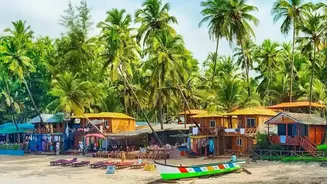
India's premier beach capital is well-earned and enduring. For years, it has been the default destination for those seeking sun, sand, and a liberating sense of escape. Its appeal is multi-faceted, ranging from the clean, safe beaches of the south to the vibrant, hippie-culture-infused shores of the north. It offers a unique blend of Portuguese heritage, seen in its architecture and cuisine, and a laid-back atmosphere that invites travellers to unwind. Recent data shows that despite the rise of other destinations, Goa remains a top domestic choice, with accommodation searches growing nearly 43% year-over-year for the 2026 festive season. However, the state is also evolving, consciously promoting its hinterlands, wellness retreats, and cultural experiences beyond the coastline to cater to a modern traveller seeking more than just a party.
Varanasi: The Rise of the Spiritual Epicentre
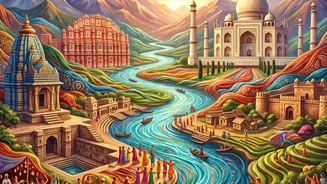
Varanasi, one of the world's oldest living cities, is experiencing a cultural and tourism renaissance. Once viewed primarily as a destination for pilgrims, it is now attracting a diverse and younger crowd. Search interest for Varanasi grew by a staggering 92% year-on-year for the festive period, according to recent travel platform data. This surge is driven by a desire for authentic, experience-led travel. Visitors are drawn to the profound spectacle of the evening Ganga Aarti, the spiritual mystique of its 84 ghats, and the raw, unfiltered tapestry of life and death on display. The city’s narrow lanes, vibrant street food, classical music traditions, and famed Banarasi silk weaving offer a sensory-rich experience that resonates deeply in an era of digital disconnection.
A Tale of Two Travellers
The comparison between Goa and Varanasi is a story of two different travel philosophies converging in popularity. Goa represents leisure, relaxation, and recreation. It’s the backdrop for celebrations, milestone trips with friends, and unwinding from the rigours of city life. Varanasi, on the other hand, embodies a journey inward. It appeals to those seeking meaning, cultural immersion, and spiritual solace. The festive season, traditionally a time for family and rituals, is now increasingly a period for travel, and both destination types are benefitting. A recent report even highlighted that Varanasi's appeal among Gen Z travellers is growing, placing it alongside coastal holidays, suggesting younger generations are diversifying their travel interests beyond the conventional.
Why the Shift? Understanding the New Indian Traveller
Several factors are fuelling Varanasi's rise and the broader boom in spiritual tourism, which now reportedly accounts for a significant portion of domestic travel. Post-pandemic, there's a heightened focus on mental well-being and a search for purpose, which has made spiritual journeys more appealing to millennials and Gen Z. Improved infrastructure, including the redevelopment of the Kashi Vishwanath Dham, has made the city more accessible and comfortable for tourists, leading to a massive increase in visitor numbers. Furthermore, the visual power of social media has turned Varanasi's ancient ghats and timeless rituals into compelling, shareable content, attracting creators and travellers eager to capture its unique atmosphere. This trend suggests that the modern Indian traveller is no longer choosing between just fun and faith, but is instead seeking destinations that offer a memorable, transformative experience.