


Decoding the Dietary Buzzword
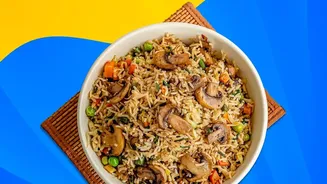
First, let's define the term. 'Double carbing' simply means consuming two significant sources of carbohydrates in the same meal. Think pasta with garlic bread, a burger with fries, or, in the Indian context, having both rice and roti on your plate. The
term has gained traction on social media, often framed as a habit that hinders weight loss or disrupts metabolism. However, nutrition experts clarify that this label describes a meal composition, not a medical condition or a formal diagnosis. The science is more nuanced than a simple social media hot-take, and it's important to separate myth from fact.
A Very Indian Way of Eating
For millions of Indians, combining carbohydrates isn't a trend; it's tradition. A standard thali often features rice and roti sitting alongside dal, sabzi, and curd. Meals like pav bhaji (bread with a potato-based mash), dosa with a potato filling, or even dal-rice with a side of potato curry are beloved staples. These combinations are cornerstones of our culinary heritage, providing comfort, flavour, and satiety. To label this everyday eating pattern as inherently 'wrong' is to misunderstand the very fabric of Indian cuisine, where a mix of grains and vegetables forms the foundation of a complete meal.
What Nutrition Science Actually Says
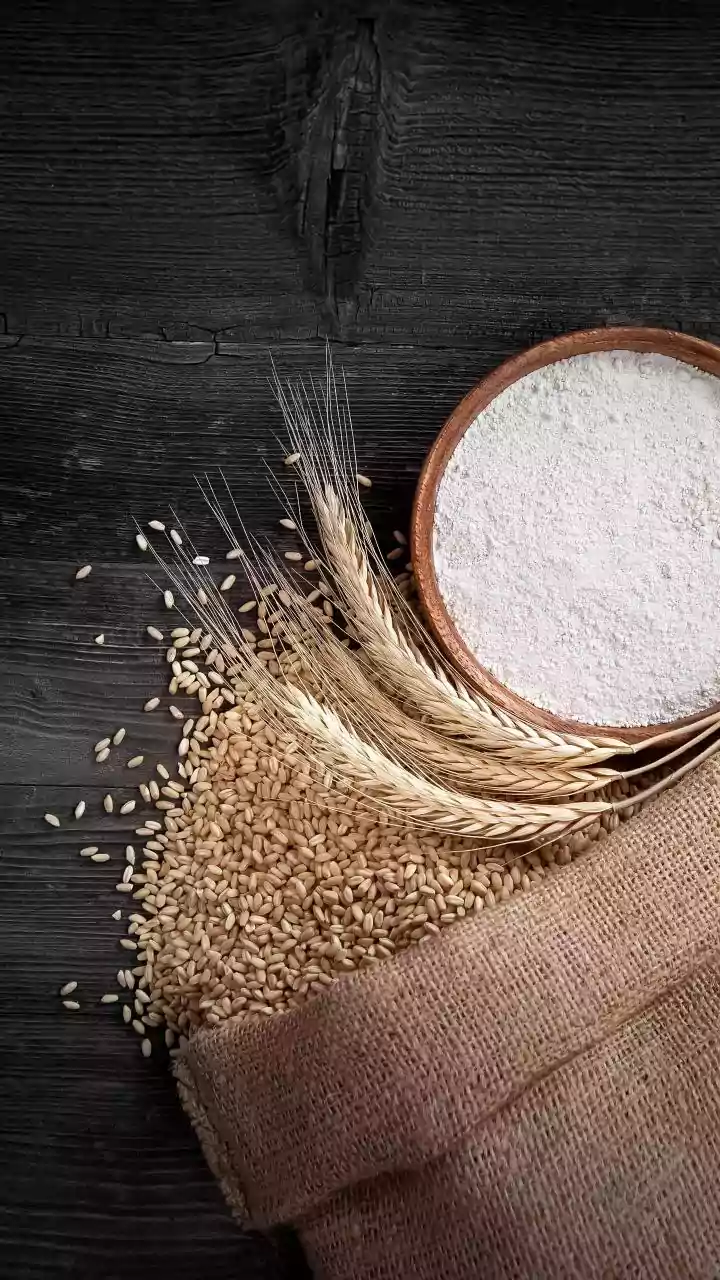
The primary concern raised about double carbing is its potential impact on blood sugar and calorie intake. Consuming multiple sources of refined carbohydrates can lead to a larger spike in blood glucose and insulin. Insulin's job is to move glucose into cells for energy, and during this process, it temporarily suppresses fat-burning. However, experts stress this is a normal physiological response to eating any carbohydrate, not just two together. The problem isn't the combination itself, but the overconsumption of refined carbs (like white bread or sugary drinks) without enough protein, fibre, or healthy fats to balance the meal and slow down glucose absorption. A meal of whole wheat roti, brown rice, protein-rich dal, and fibrous vegetables tells a very different nutritional story than one of pizza and soda.
It’s About the Whole Meal, Not a Single Rule
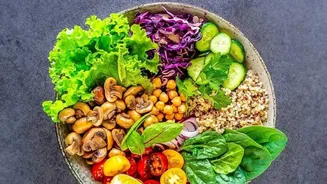
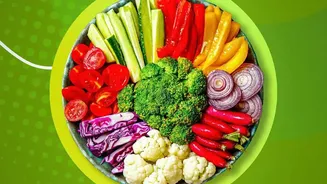
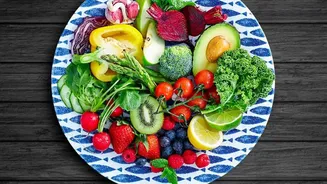
Nutrition is about balance and context, not rigid rules. Focusing on 'double carbing' as a singular villain oversimplifies how our bodies work. A well-structured Indian meal, even with rice and roti, can be incredibly healthy. The fibre from whole grains and vegetables, combined with protein from dal or paneer, helps moderate the glycemic impact of the overall meal. The key is proportion. Nutritionists often recommend the 'healthy plate' model: fill half your plate with non-starchy vegetables, a quarter with lean protein, and a quarter with carbohydrates. If you have both rice and roti, they should collectively occupy that one-quarter space, not dominate the plate. This approach shifts the focus from fearing carbs to building a balanced, nutrient-dense meal.
Mindful Adjustments Over Drastic Elimination
Instead of banning your favourite meal combinations, consider mindful adjustments. If you're having rice and roti, ensure your portions are controlled. You can also make simple, powerful swaps. Opt for whole grains like brown rice and multigrain roti, which have more fibre and a lower glycemic index. Increase the amount of dal and sabzi on your plate to boost protein and fibre, which will help you feel fuller for longer. Adding a simple salad or a side of yogurt (raita) also enhances the meal's nutritional profile. The goal isn't to create a list of forbidden food pairings but to cultivate an awareness of what your entire plate looks like. It's about making your traditional meals work better for your health goals, not abandoning them.