







The 'Headline Rate' Is Just an Average
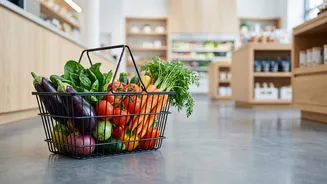
The number you hear on the news is the headline inflation rate, based on the Consumer Price Index (CPI). Think of the CPI as a massive, imaginary shopping basket containing hundreds of different goods and services that a typical household might buy. This
basket includes everything from food and clothing to transport fares, housing costs, and even OTT subscriptions. The headline rate is the average price change of everything in that basket combined. When the price of dal goes up, but the price of a new television goes down, these changes can partially cancel each other out in the final calculation. So, while the overall average might seem manageable, it can hide sharp price hikes in specific categories you care about most, like food.
Your Personal Basket Is Different
The official CPI basket assigns a 'weight' to each category based on national spending patterns. In India's recently updated CPI basket, 'Food and beverages' account for about 37% of the total weight. However, your personal spending habits are almost certainly different. For many households, particularly those with lower or middle incomes, food can make up a much larger portion of their monthly budget—sometimes over 50%. When the items you spend the most on (like vegetables, milk, and pulses) experience high inflation, your personal inflation rate will feel significantly higher than the national average, which is diluted by items you might buy less frequently, like cars or electronics.
The Psychology of Frequent Purchases
There's a psychological element at play, too. We are much more sensitive to price changes on items we buy regularly. You notice when the price of milk or onions goes up because you purchase them weekly or even daily. Your brain registers these frequent, small increases as a constant financial drain. In contrast, you probably don't track the price of a new refrigerator or airfare with the same vigilance because you buy them so rarely. This phenomenon, known as frequency bias, means that the consistent pain of rising grocery bills weighs more heavily on our perception of inflation than a one-time price drop on a big-ticket item.
The Hidden Inflation of 'Shrinkflation'
Another reason your grocery bill feels higher is a sneaky tactic called 'shrinkflation'. This is when companies reduce the size or quantity of a product while keeping the price the same. Your favourite packet of biscuits might now have two fewer biscuits, or your bar of soap might be 15 grams lighter, but the price on the shelf hasn't changed. While the price tag remains the same, the price per gram has effectively increased. This is a hidden price hike that official inflation measures may not fully capture, but you feel it when your groceries run out faster and you have to buy them more often.
Food Prices Are Simply More Volatile
The prices of food, especially fresh produce, are inherently more volatile than those of manufactured goods. Factors like erratic weather, supply chain disruptions, rising fuel costs for transport, and government policies can cause sudden and sharp spikes in the prices of staples like tomatoes, onions, and pulses. While the price of a smartphone might stay stable for months, the cost of vegetables can fluctuate dramatically from one week to the next. The Consumer Food Price Index (CFPI), which tracks only food items, often tells a more dramatic story than the overall CPI, confirming the sticker shock you feel at the kirana store or vegetable market.