




The Date Was A Last-Minute Decision
The decision to grant India independence on August 15, 1947, was made by the last Viceroy, Lord Mountbatten. The original plan set by the British government was to transfer power by June 1948. However, facing escalating tensions between political parties,
Mountbatten advanced the date. He personally chose August 15 because it marked the second anniversary of Japan's surrender in World War II, a date he considered lucky from his military career.
Nehru's 'Tryst with Destiny' Speech Wasn't on August 15
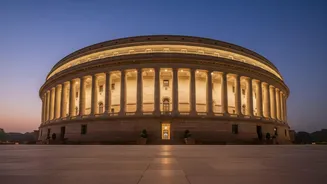
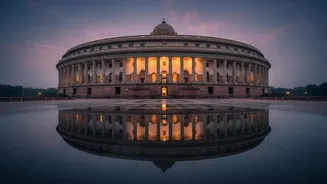
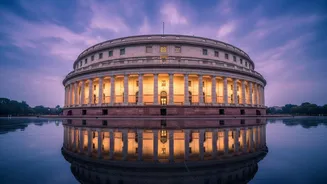
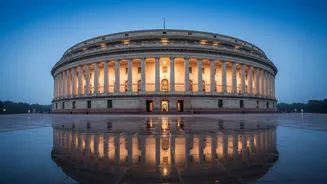
Jawaharlal Nehru’s iconic “Tryst with Destiny” speech, which heralded India’s freedom, was delivered not on August 15, but on the eve of Independence. He addressed the Constituent Assembly in New Delhi as the clock struck midnight on August 14, 1947, proclaiming, “At the stroke of the midnight hour, when the world sleeps, India will awake to life and freedom.” This moment marked the formal transfer of power from British to Indian hands.
Mahatma Gandhi Was Not in Delhi
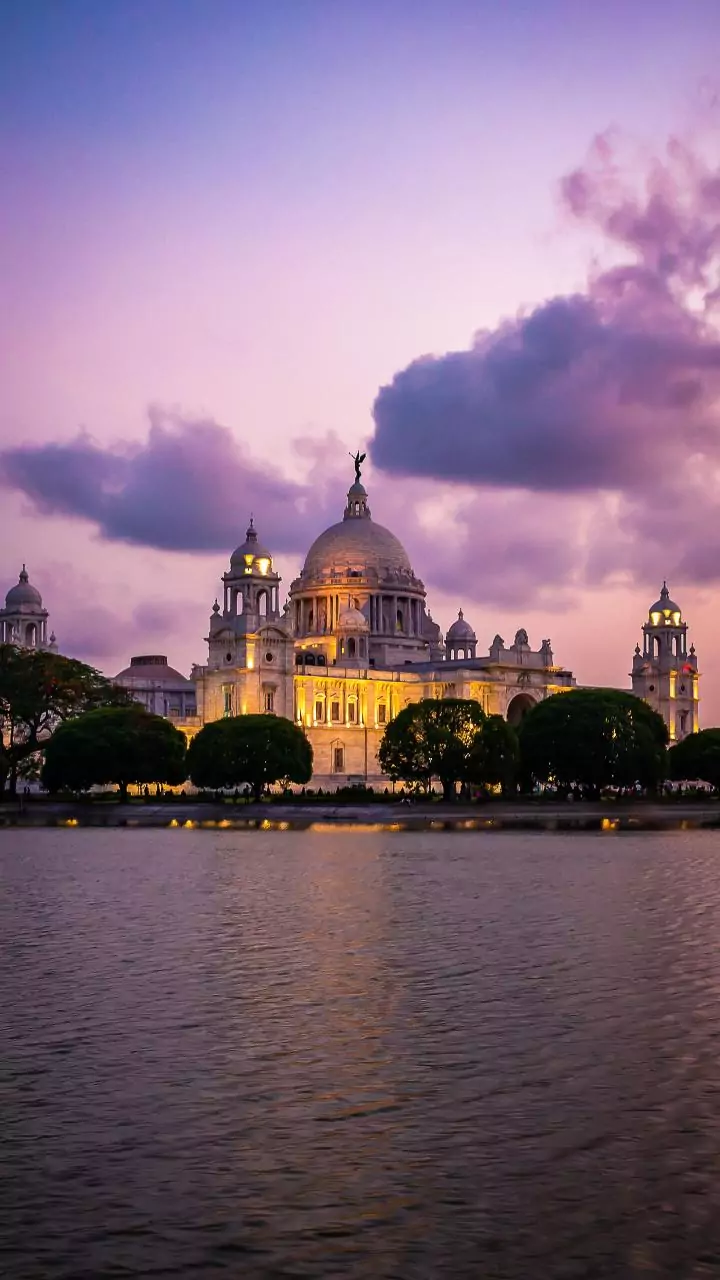
While Delhi was the epicentre of official celebrations, Mahatma Gandhi, the architect of the freedom movement, was notably absent. He was in Calcutta (now Kolkata), where he spent the day fasting and praying for peace between Hindus and Muslims. Deeply pained by the violence of Partition, Gandhi chose to be with the people affected by communal riots rather than participate in the state ceremonies. Lord Mountbatten himself acknowledged Gandhi's immense influence in quelling the violence in Bengal, referring to him as a 'one-man boundary force'.
The Red Fort Flag Hoisting Came a Day Later
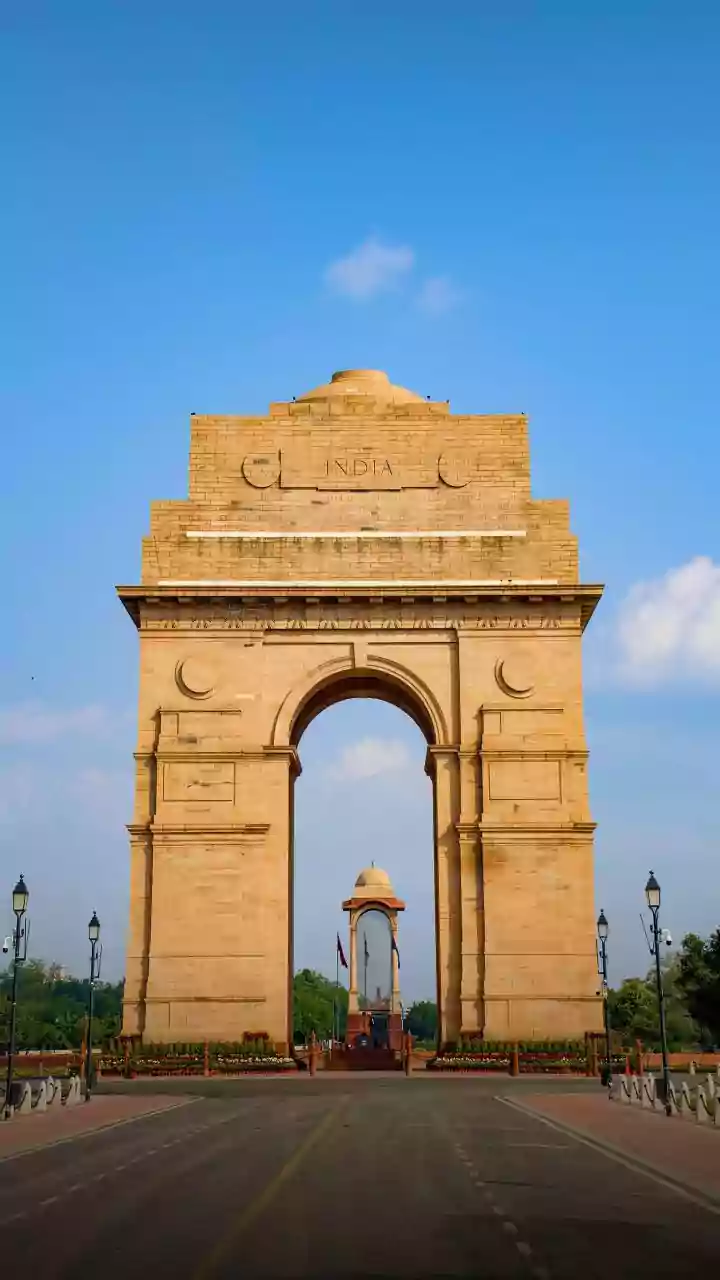
The annual tradition of the Prime Minister hoisting the national flag at the Red Fort did not begin on August 15, 1947. While Jawaharlal Nehru did raise the flag that day, it was at Princess Park near India Gate in the afternoon. The first flag hoisting at the Red Fort, which has since become the signature event of Independence Day, actually took place the following day, on August 16, 1947.
There Was No Official National Anthem
On August 15, 1947, India did not have an official national anthem. Rabindranath Tagore's 'Jana Gana Mana' was sung at the closing of the Constituent Assembly session on the night of August 14, but it was not formally adopted. The song had gained popularity within the nationalist movement and was even played before the United Nations General Assembly in 1947. However, it was only on January 24, 1950, that the Constituent Assembly officially declared 'Jana Gana Mana' as the National Anthem of India.
The New Borders Were Not Yet Public
Although India and Pakistan became independent on August 14-15, the exact boundary line separating the two new nations, known as the Radcliffe Line, was not made public until August 17, 1947. The boundary commission, led by British lawyer Sir Cyril Radcliffe, had only five weeks to draw the border. The delay in announcing the award meant that on Independence Day, millions of people in Punjab and Bengal did not know which country they officially belonged to, adding to the chaos and violence of Partition.
Hundreds of Princely States Remained Undecided
On Independence Day, India was not the single political entity we know today. British India was divided, but there were also over 560 princely states that were technically independent. These states were given the choice to join India, join Pakistan, or remain independent. While most had acceded to India by August 15 under the stewardship of Sardar Vallabhbhai Patel, some, like Jammu and Kashmir, Hyderabad, and Junagadh, had not yet made a decision, posing a significant challenge to the new nation's unity.
Celebrations Were Mixed with Sorrow
The joy of freedom was profoundly shadowed by the tragedy of Partition. The division of British India led to one of the largest mass migrations in human history, with estimates of up to 15 million people displaced amid widespread communal violence. Leaders of the new nation acknowledged this painful reality. In a message to the country, Nehru spoke of rejoicing in freedom “even though clouds surround us,” and Gandhi referred to the day as one of both rejoicing and sorrow.
The First Governor-General Was British
In a unique constitutional arrangement, Lord Mountbatten, the last British Viceroy, stayed on to become the first Governor-General of the independent Dominion of India. He was sworn in alongside Prime Minister Nehru. This was a transitional phase, as India did not become a republic with its own elected head of state until the Constitution was adopted in 1950. Mountbatten served in this capacity until June 1948.
A Spontaneous and Unscripted Affair
India’s first Independence Day was not a meticulously planned ceremony like today's. Contemporary accounts describe spontaneous and massive crowds gathering in Delhi, overwhelming the planned arrangements. People celebrated with a raw, unrestrained joy, eager to see their new leaders and the national flag. It was a day of improvisation and genuine emotion, where the formal ceremonies were often overtaken by the sheer energy of a people celebrating their hard-won freedom for the very first time.